





















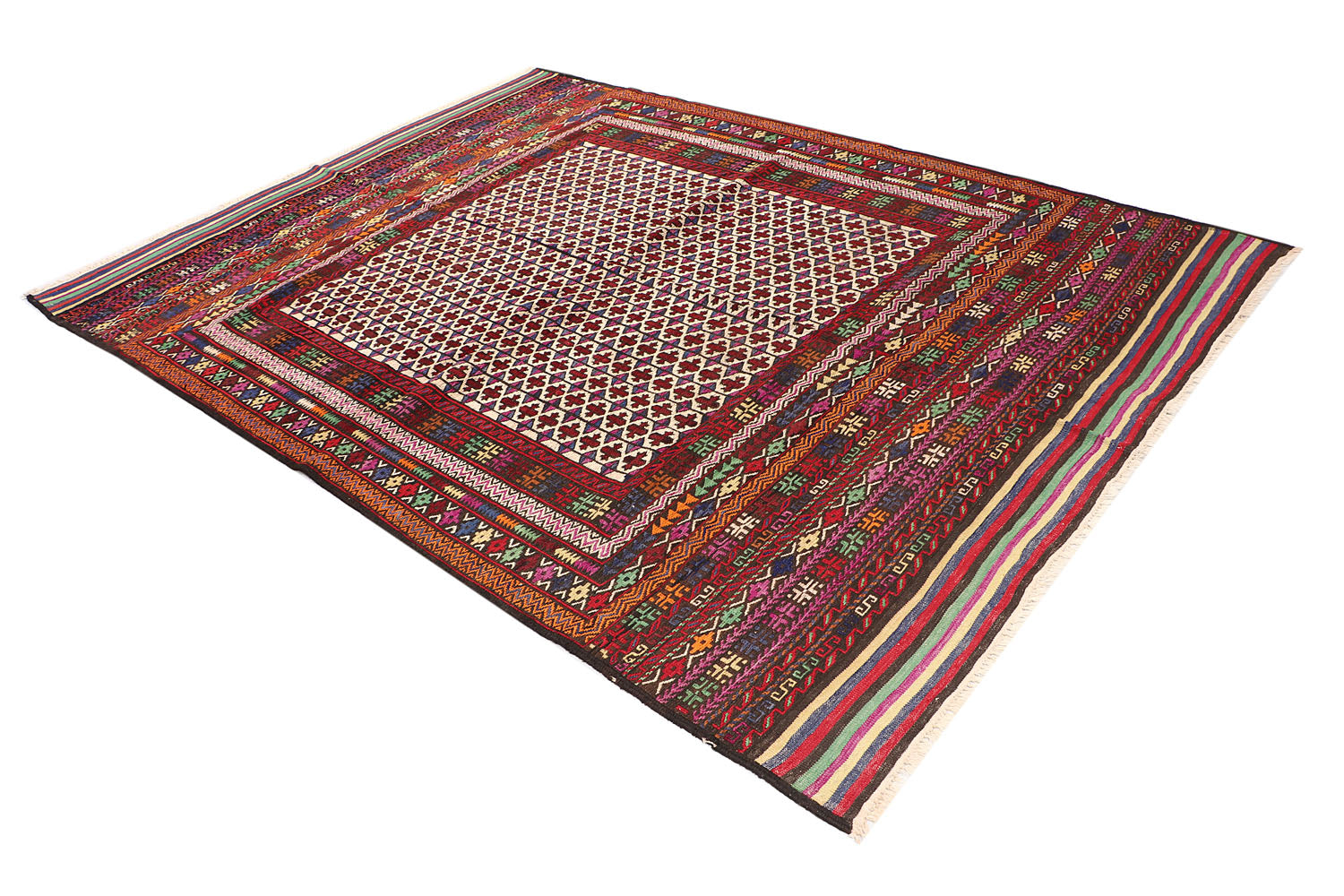
Dining Room Rugs
A dining room is where people gather, share meals, talk, celebrate, and spend time together. The right dining room rug helps define that space while adding warmth, texture, and character beneath the table.
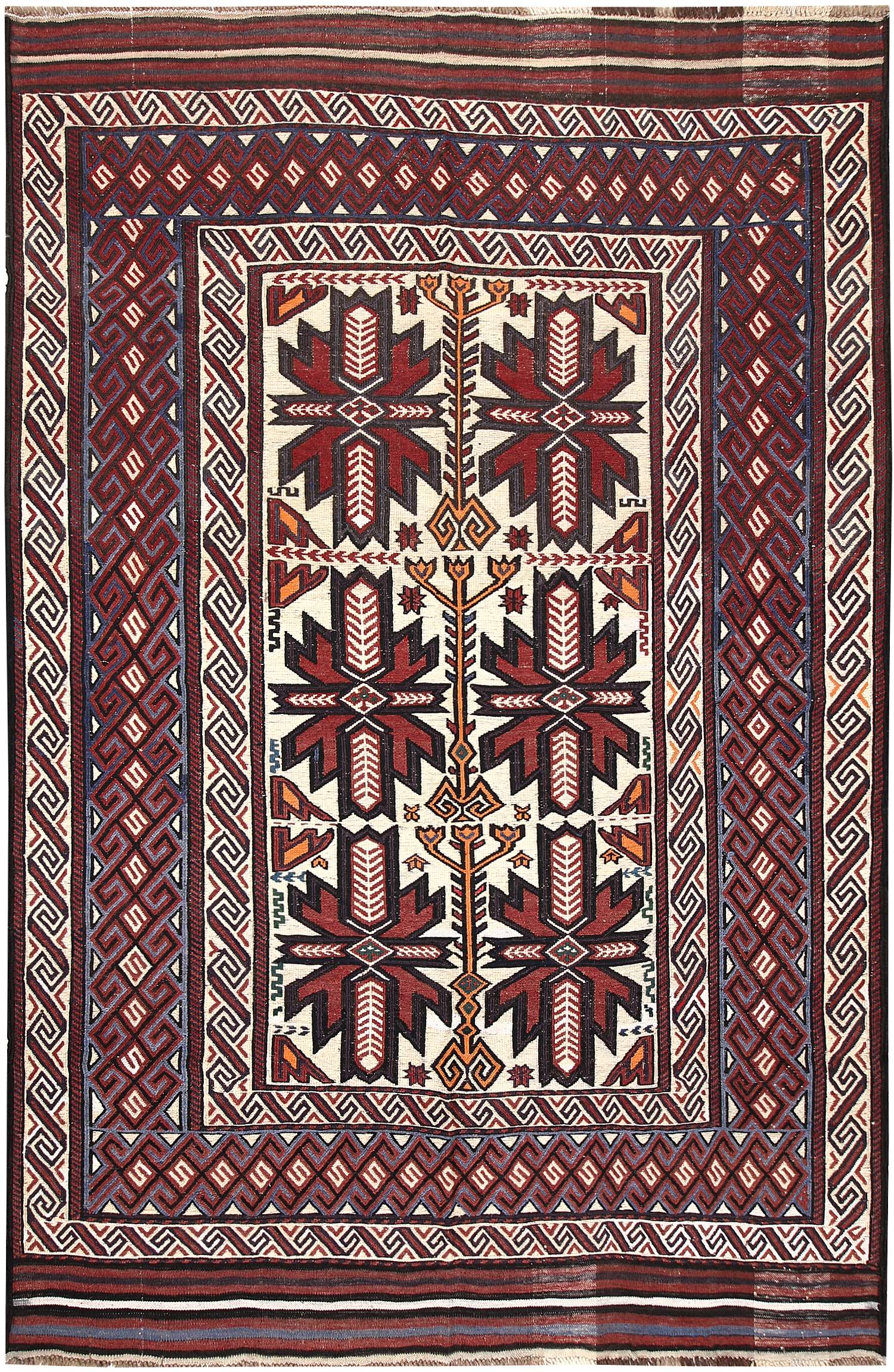
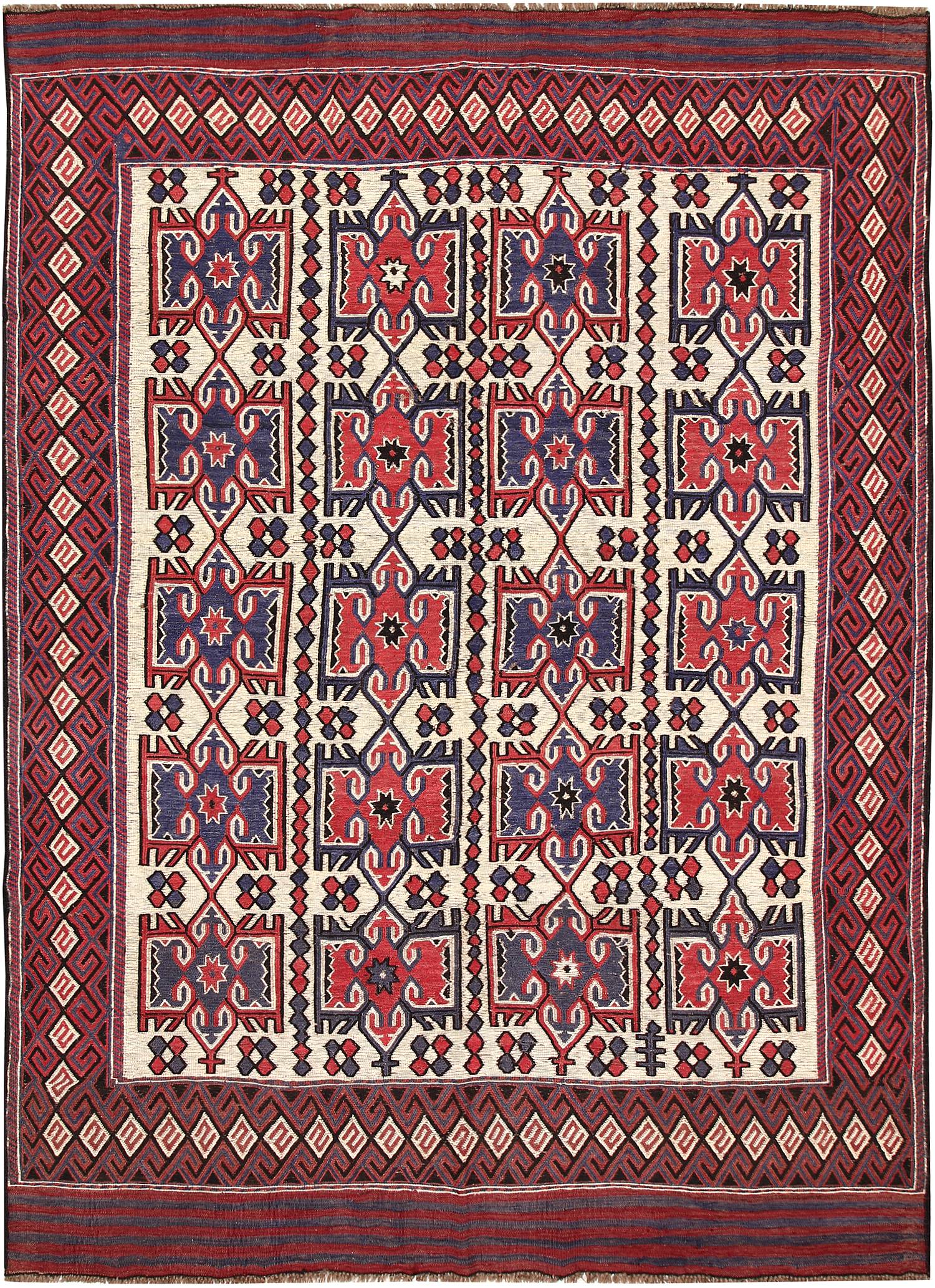
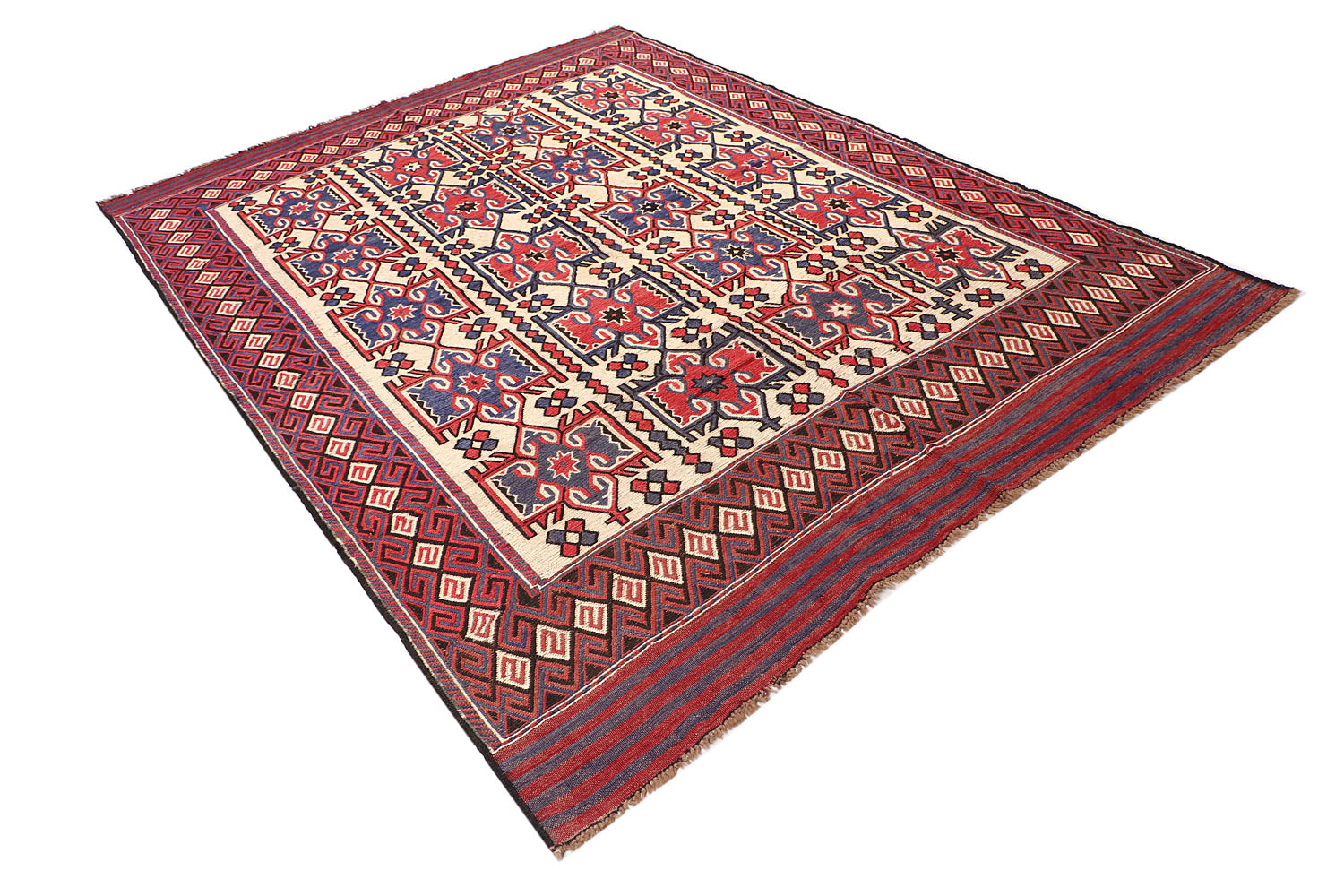
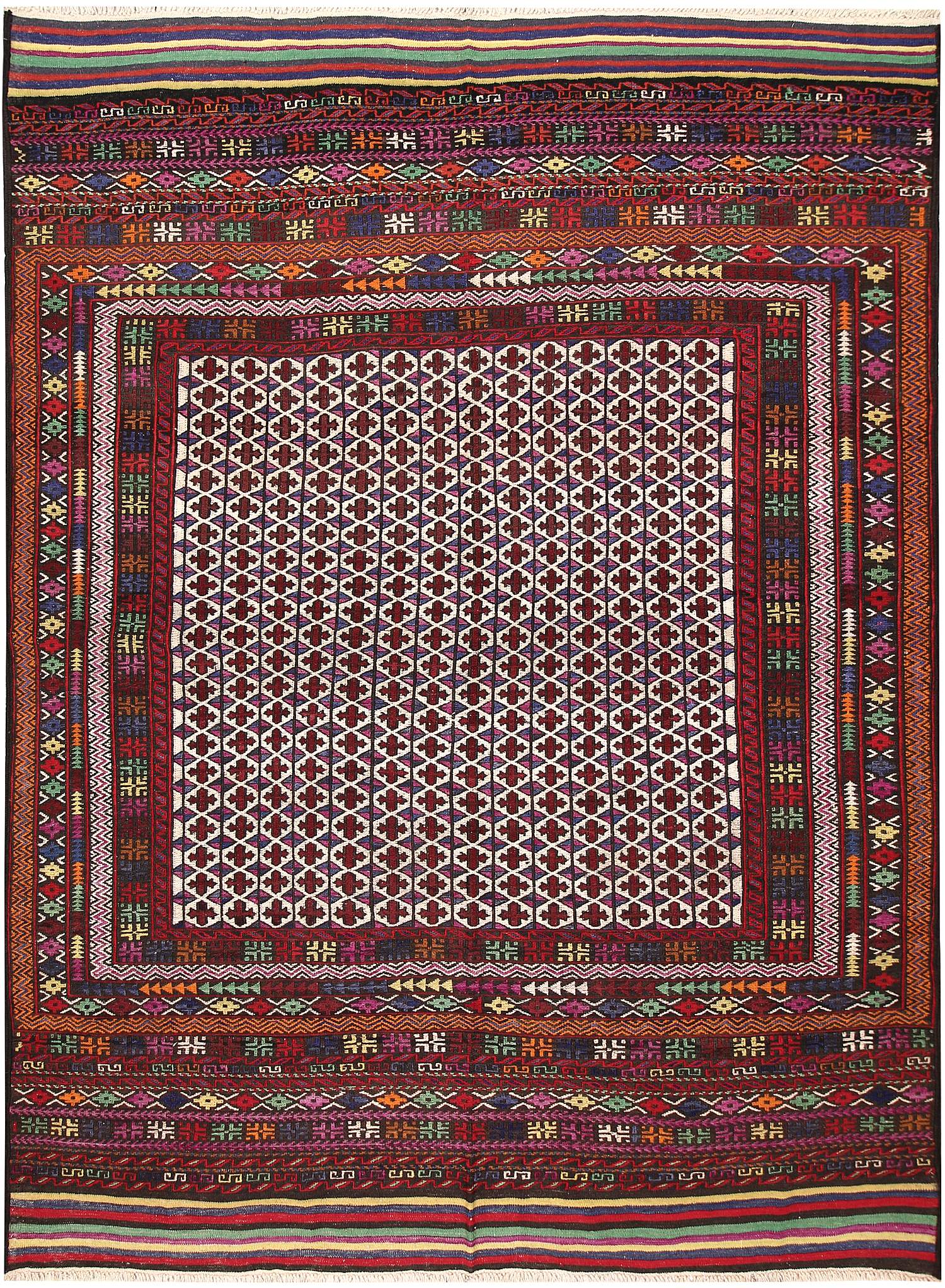
At QRugs, our collection of handmade dining room rugs brings together Persian, Turkish, Afghan, tribal, and other traditional rug styles in practical dining-friendly sizes. From richly patterned Persian rugs to understated tribal designs, each piece brings its own character to the room.
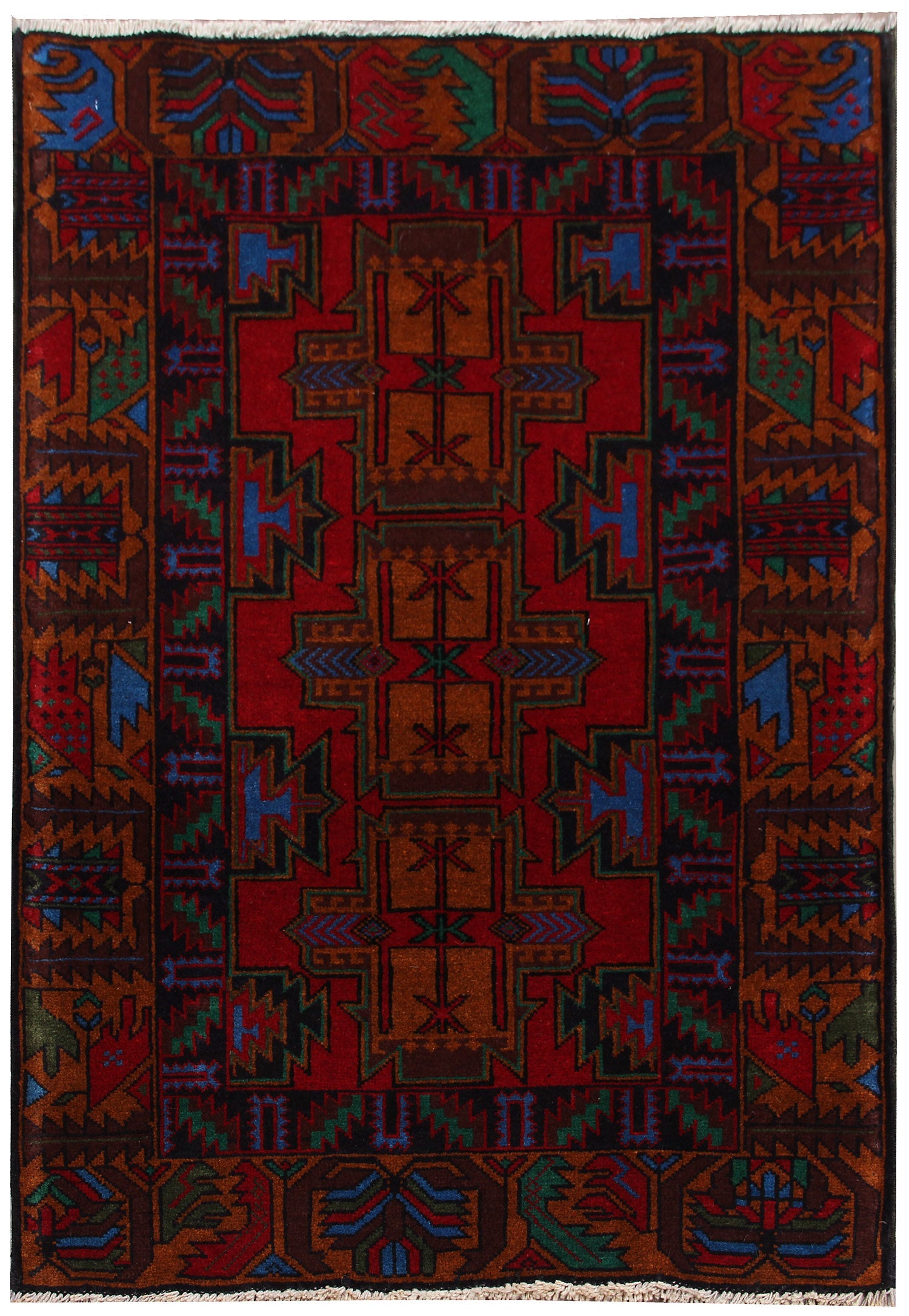
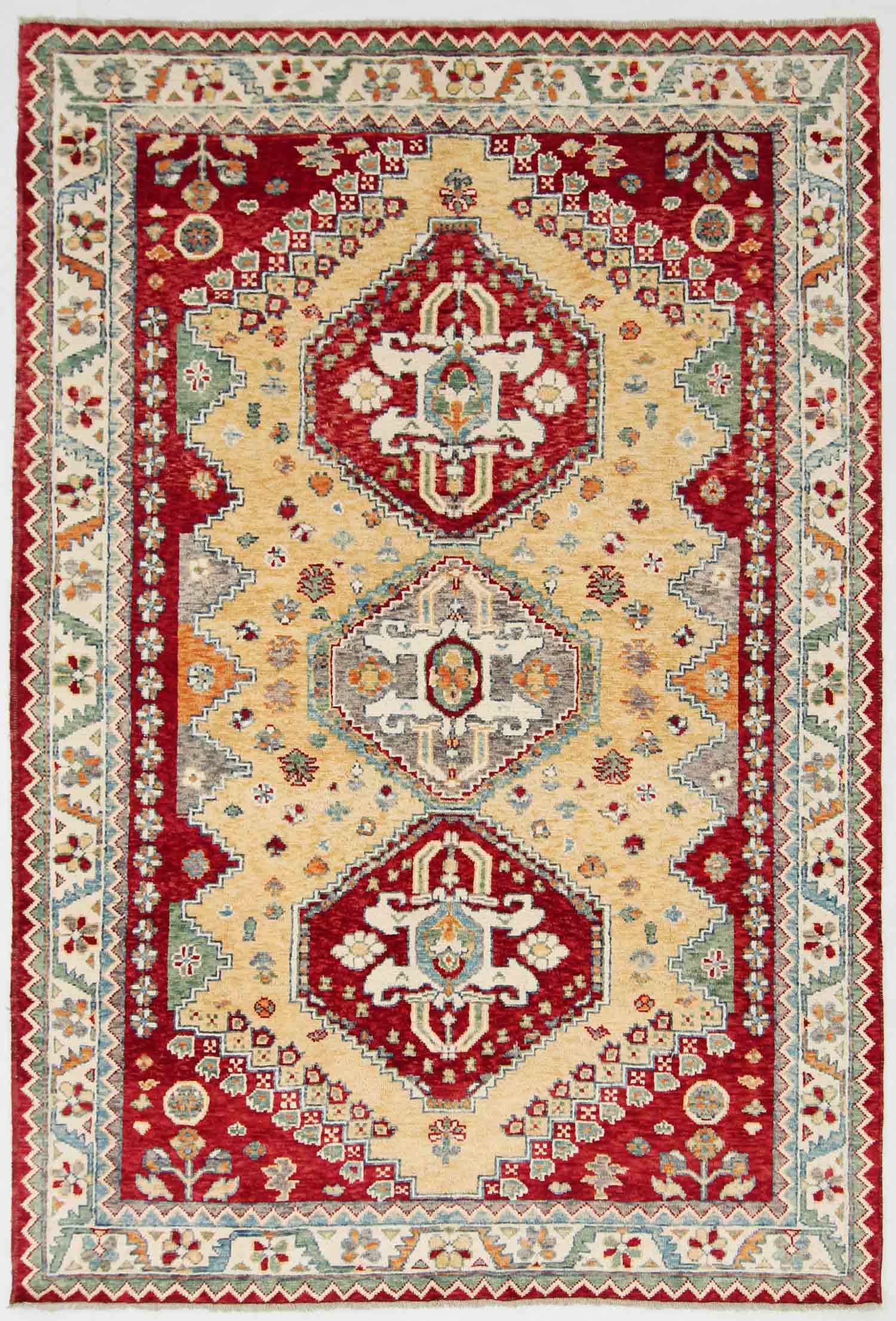
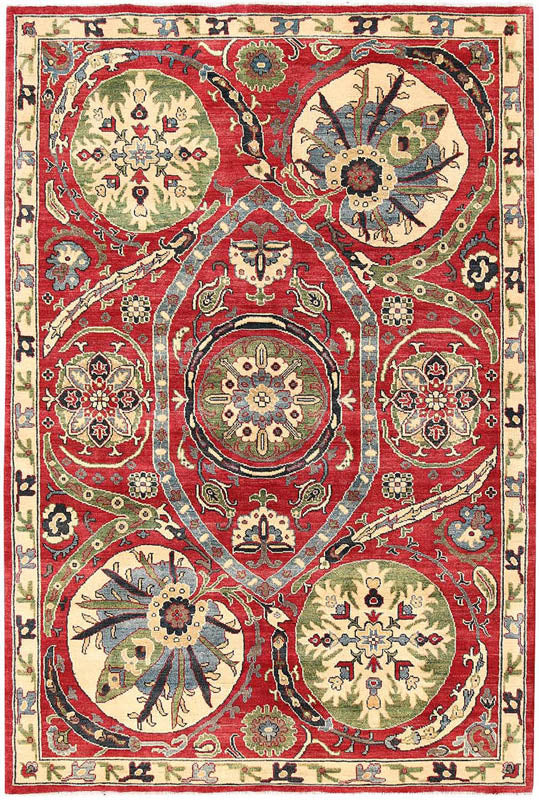
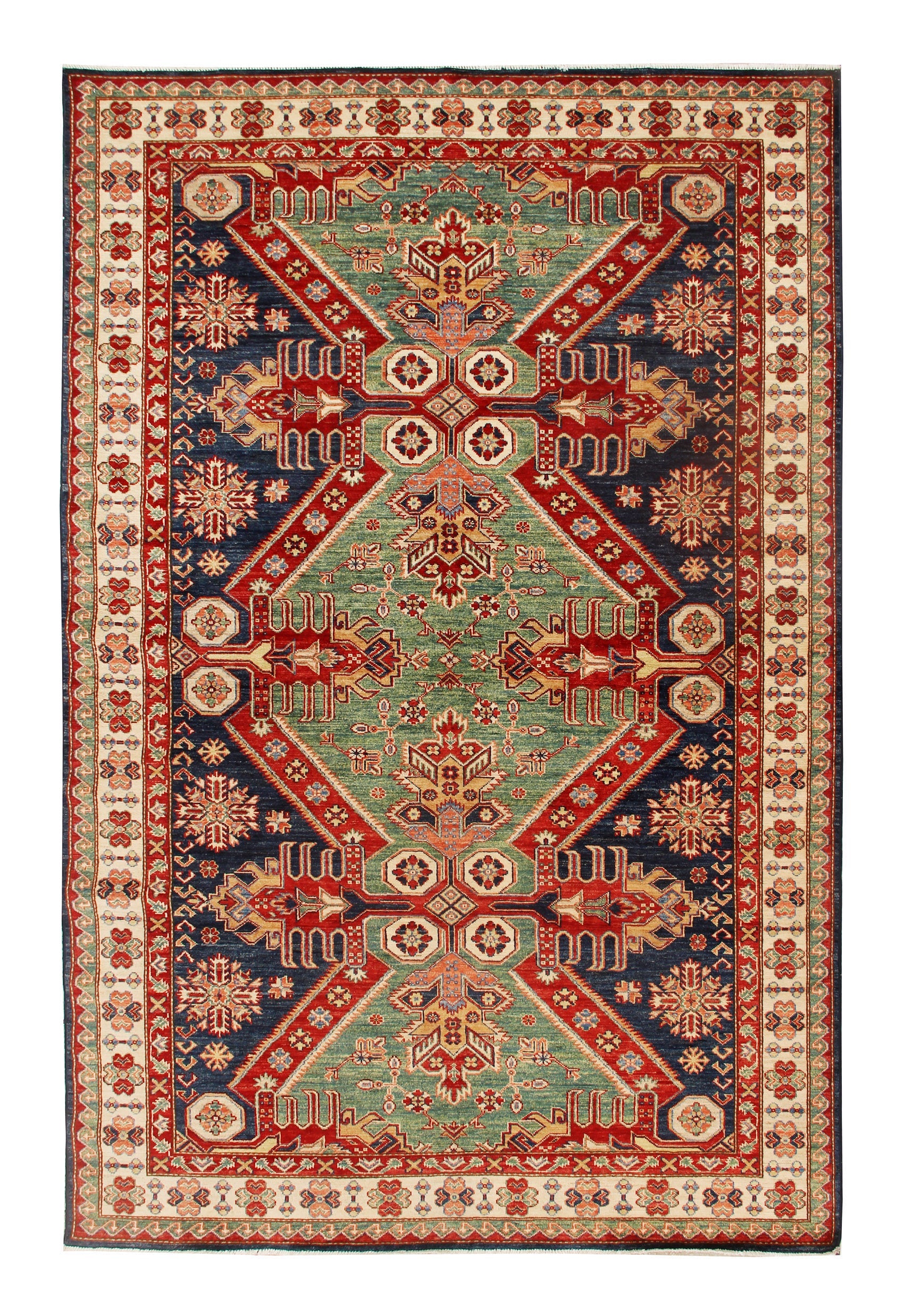
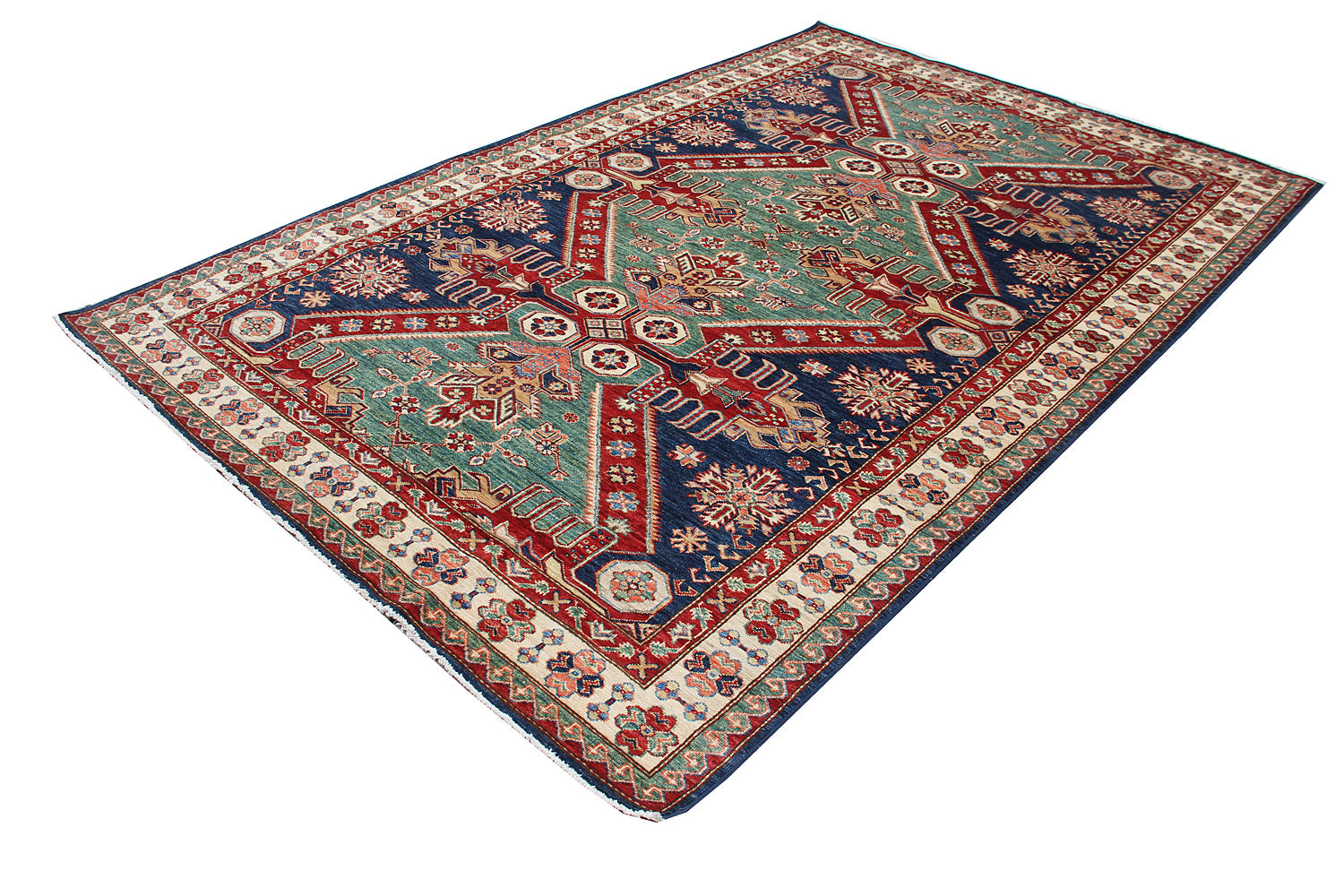
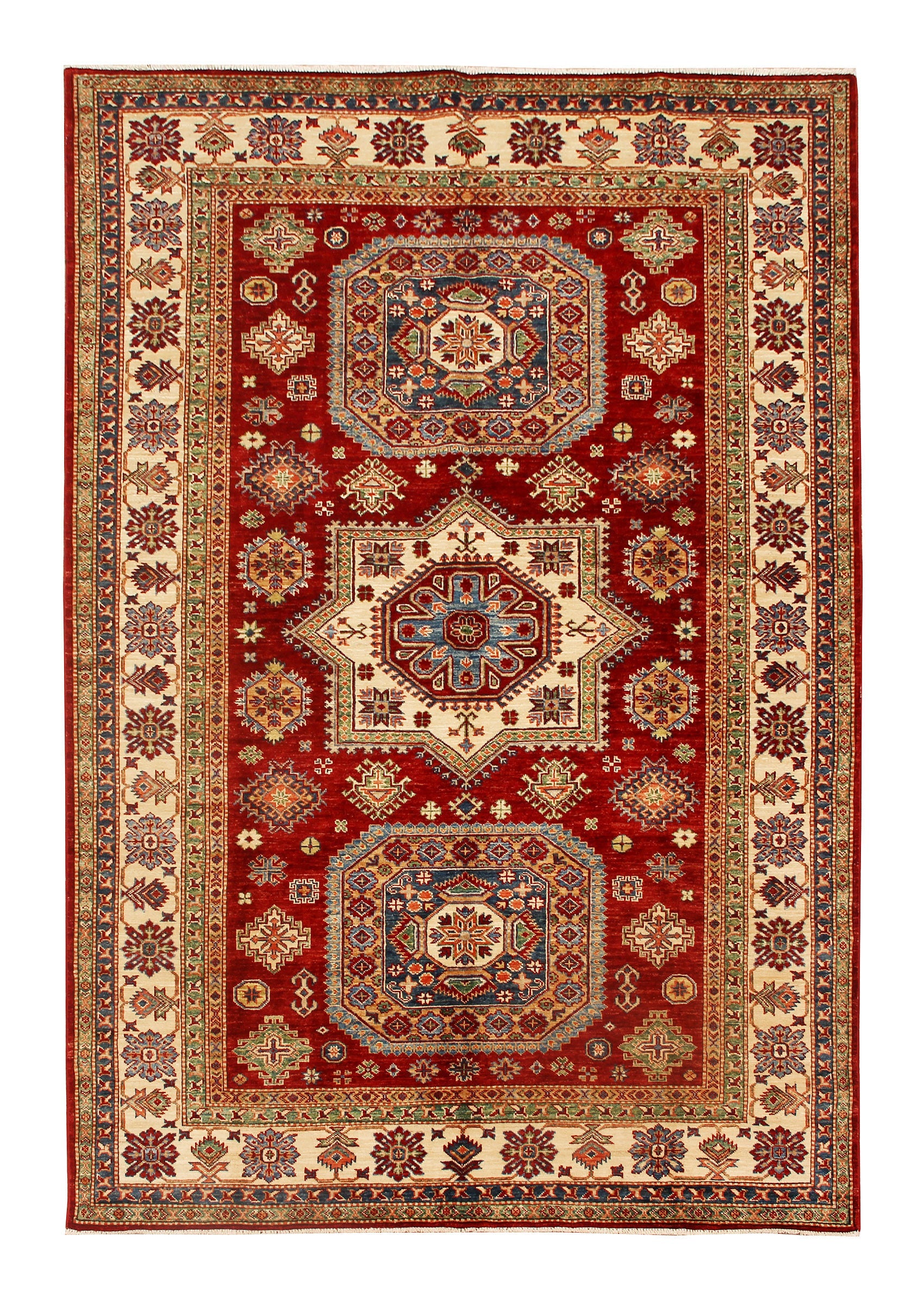
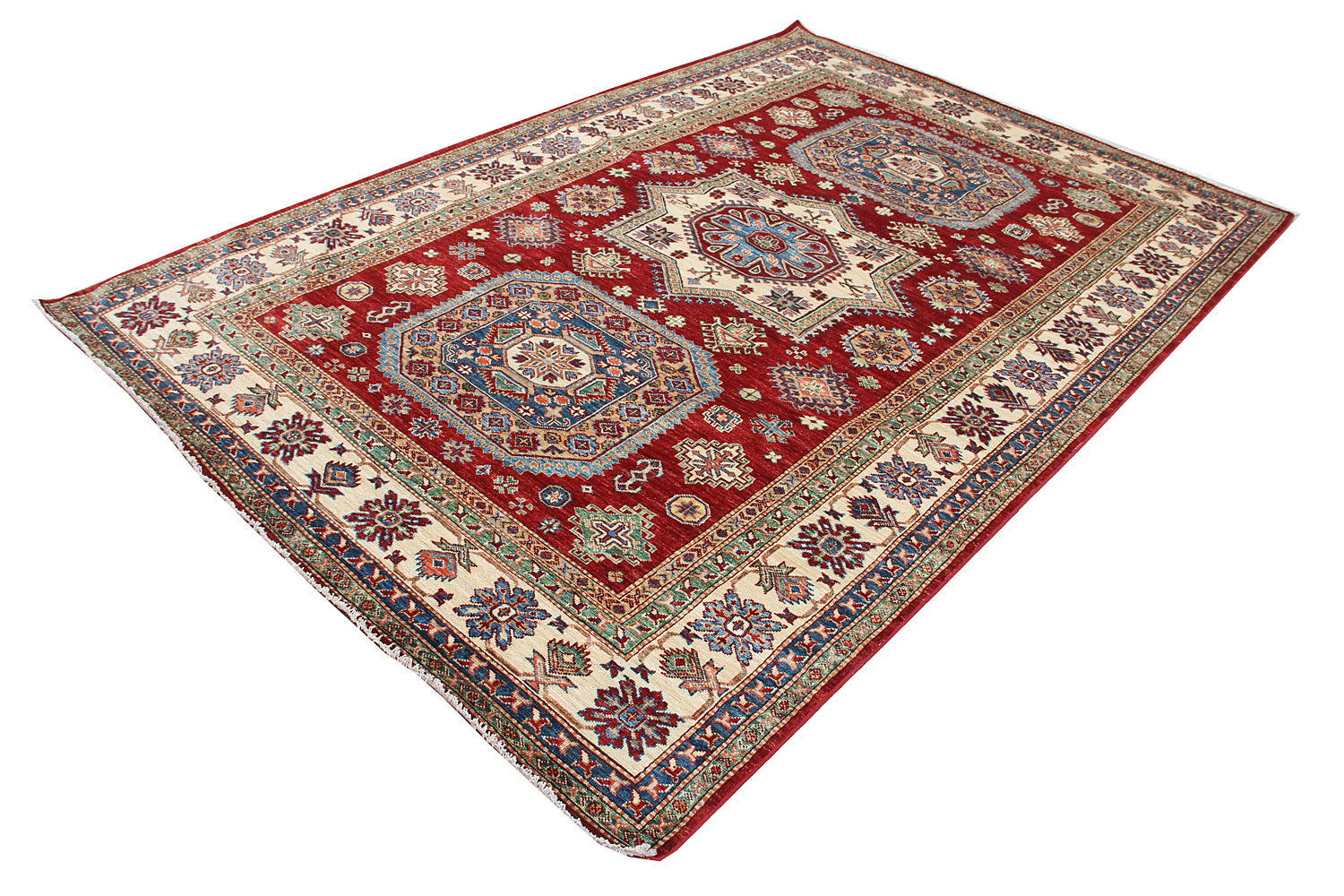
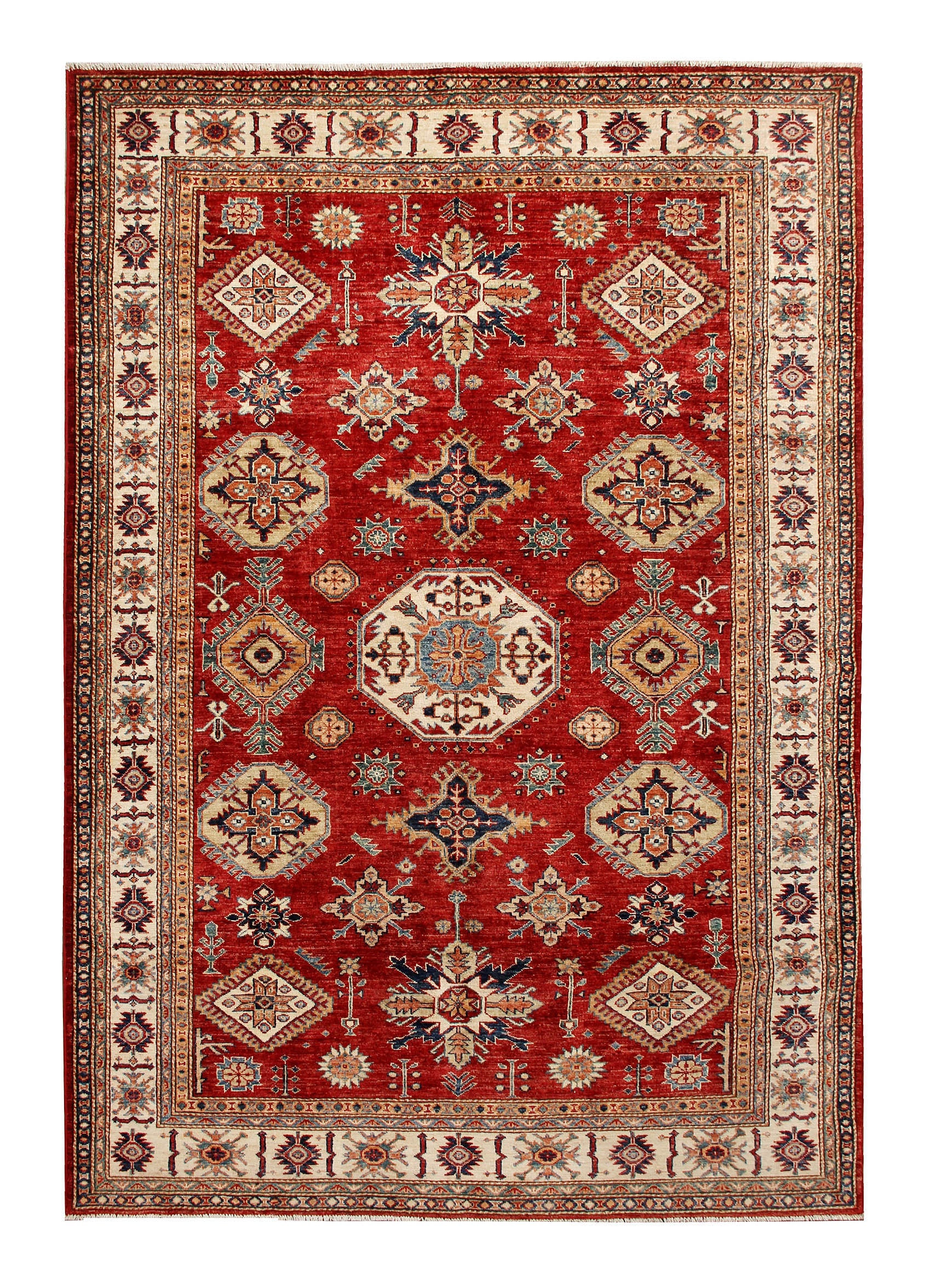
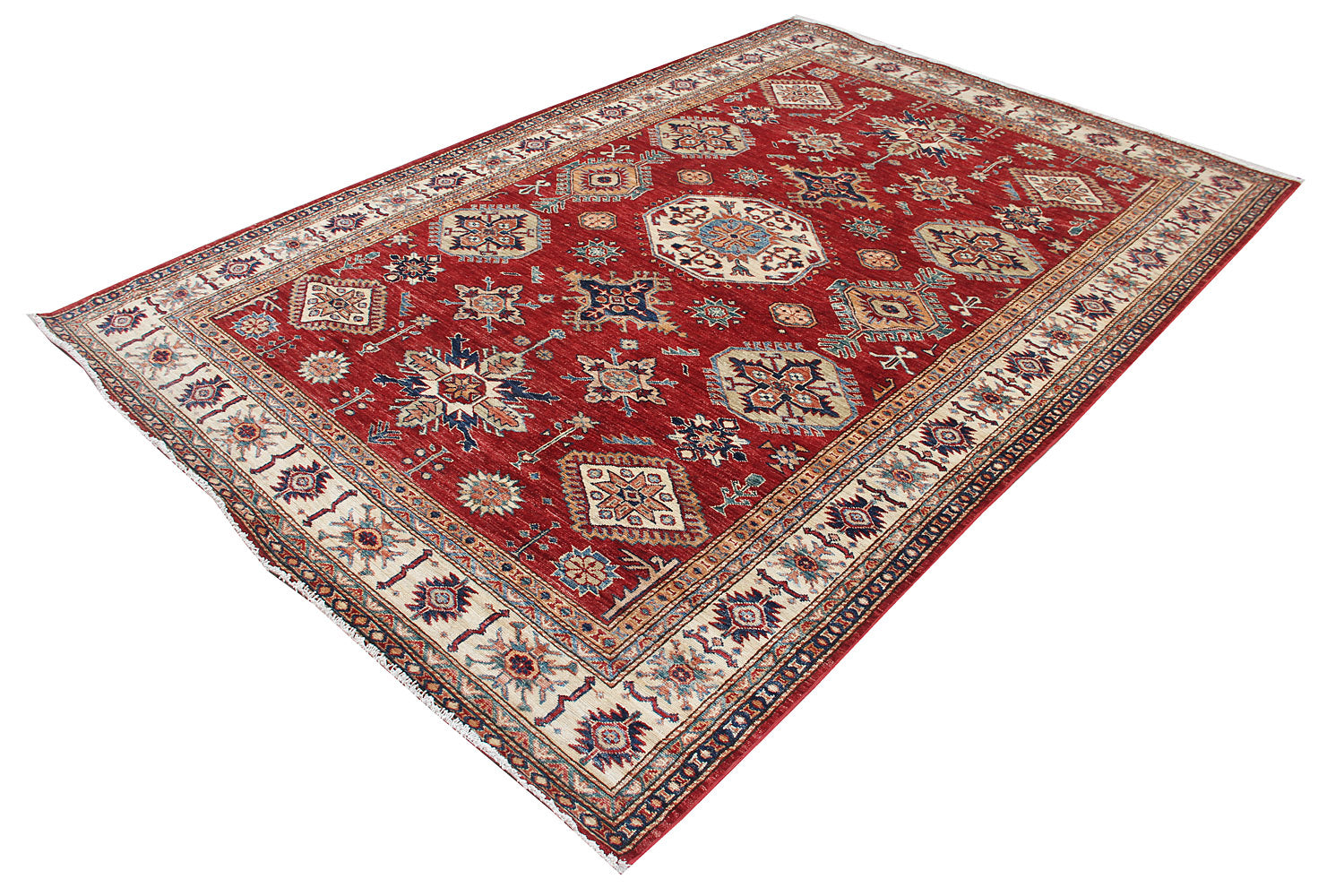
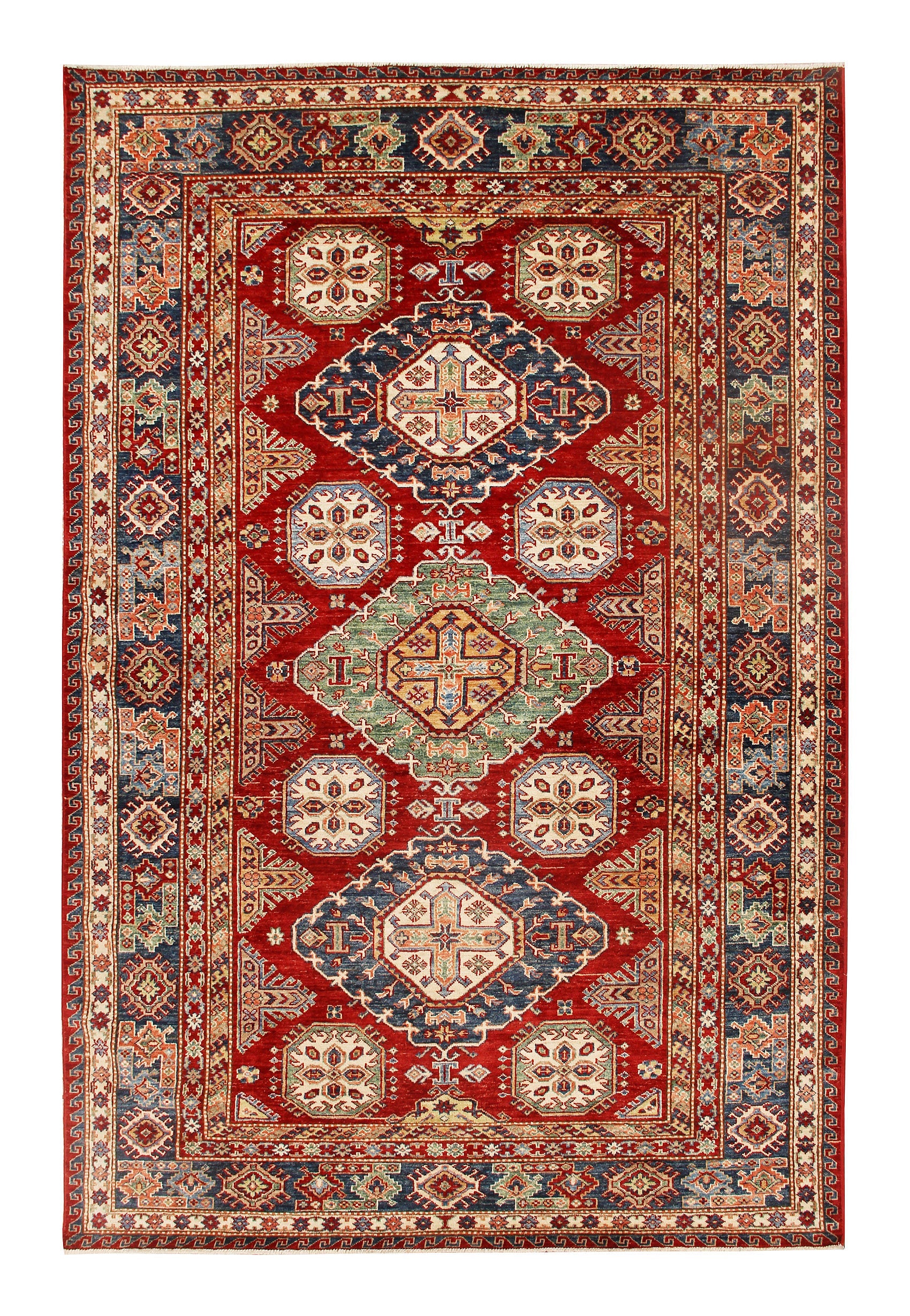
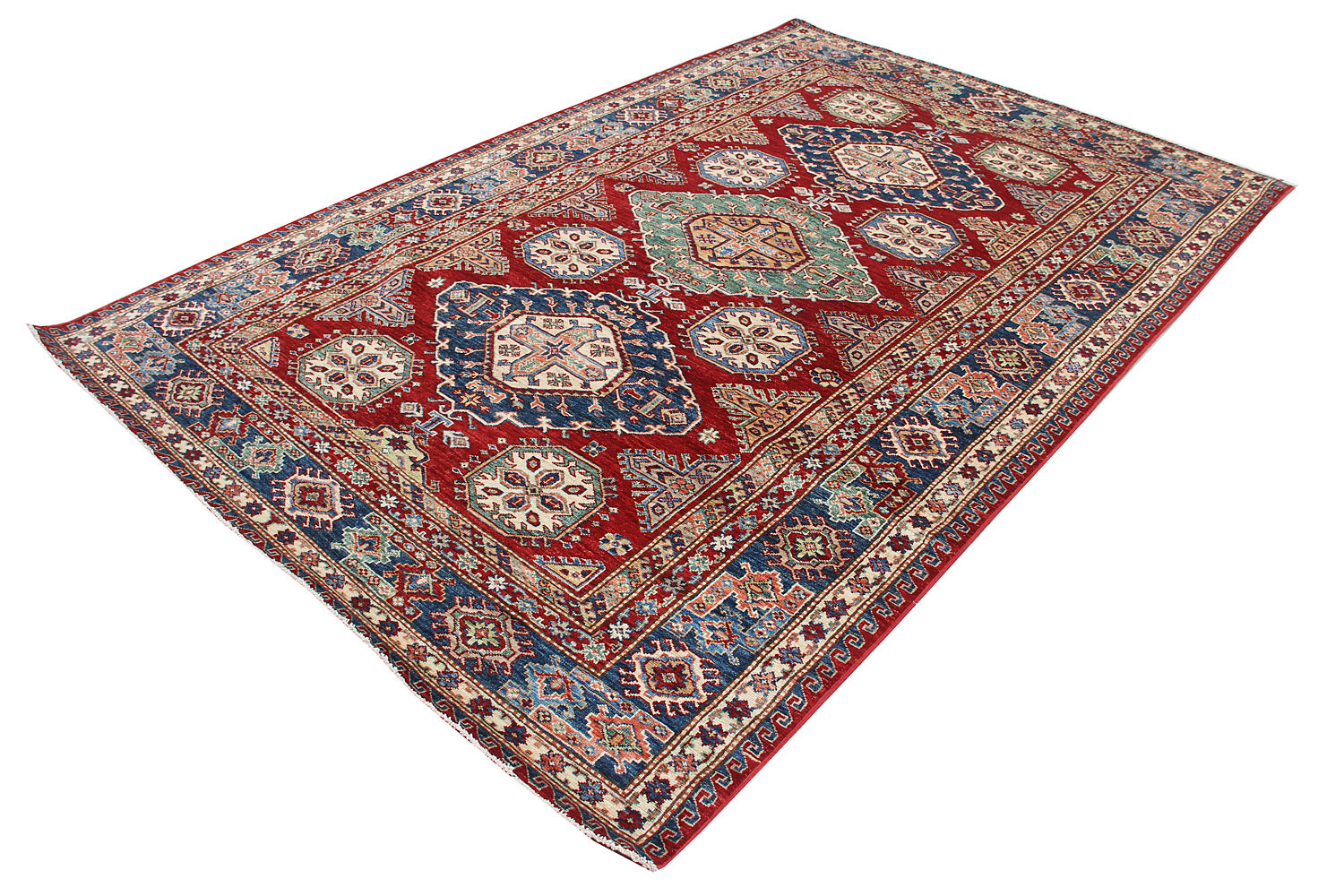
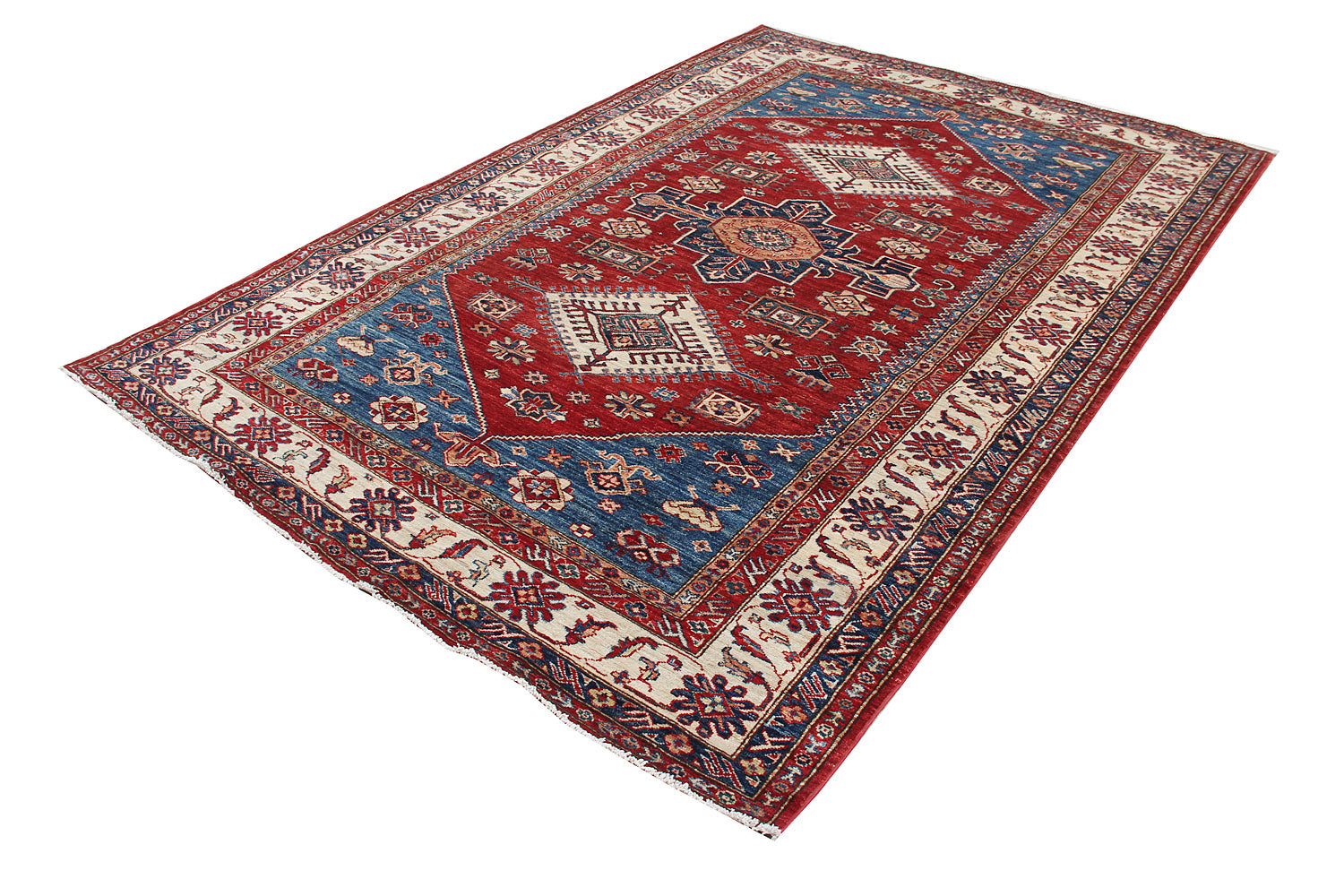
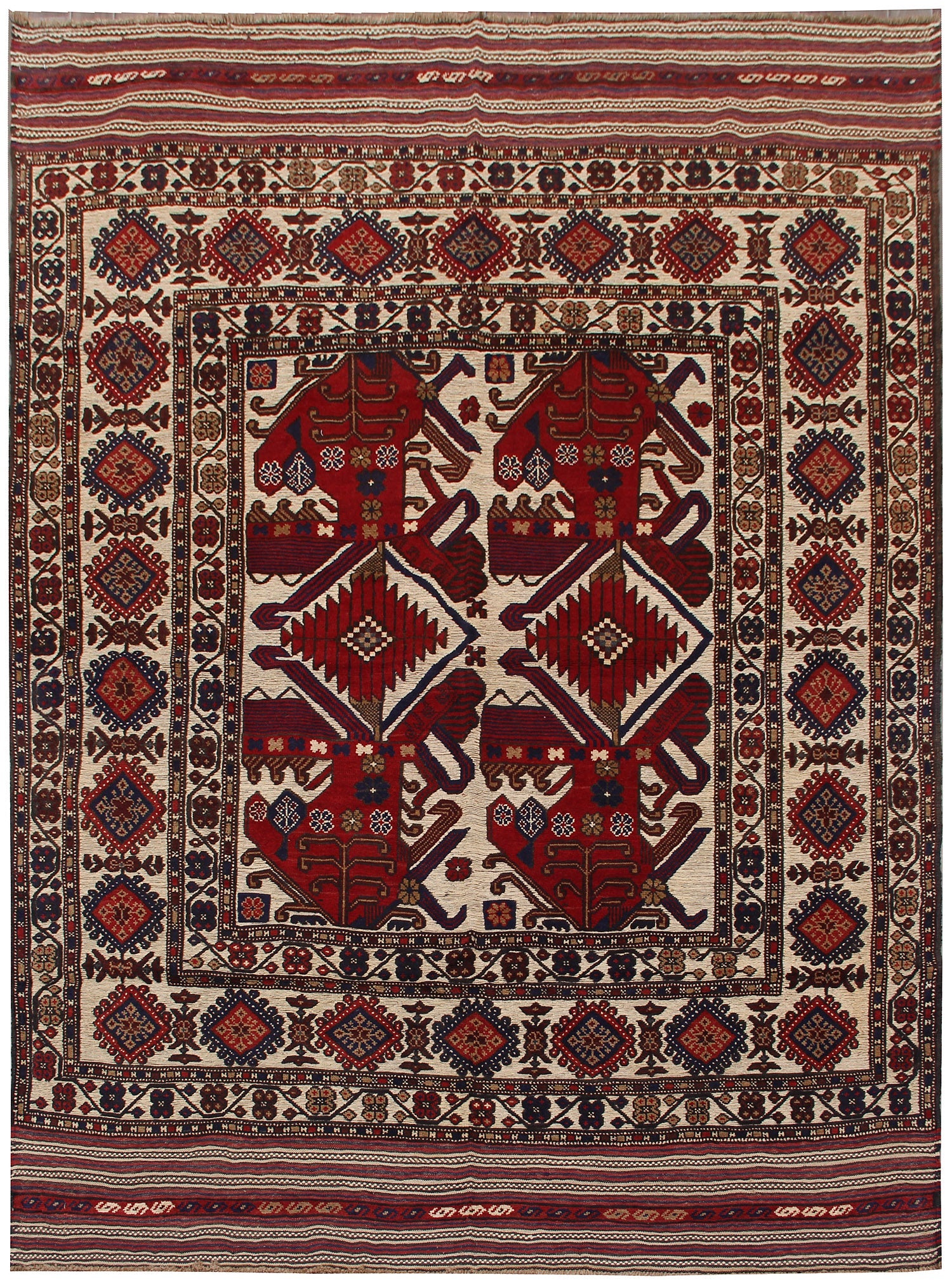
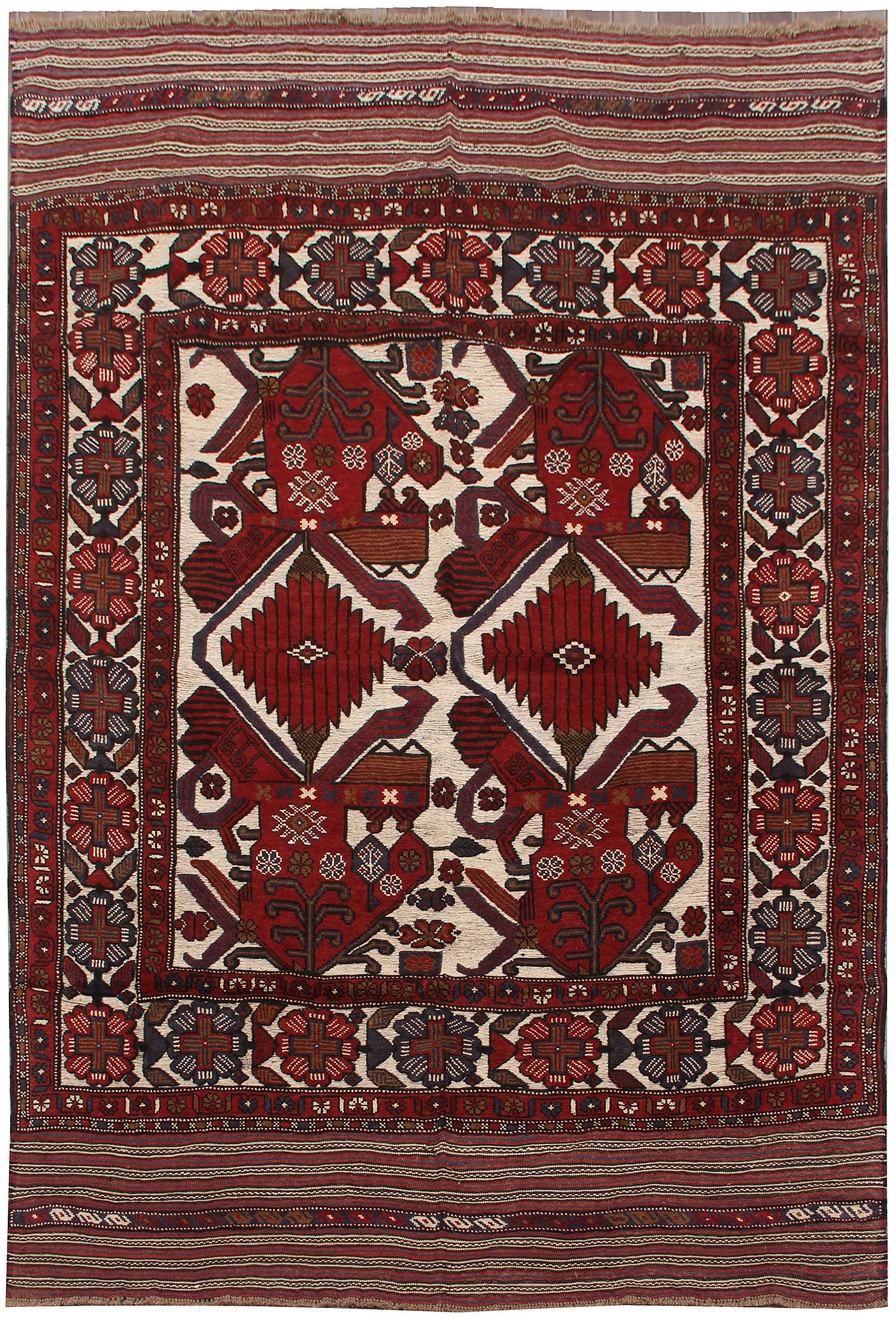
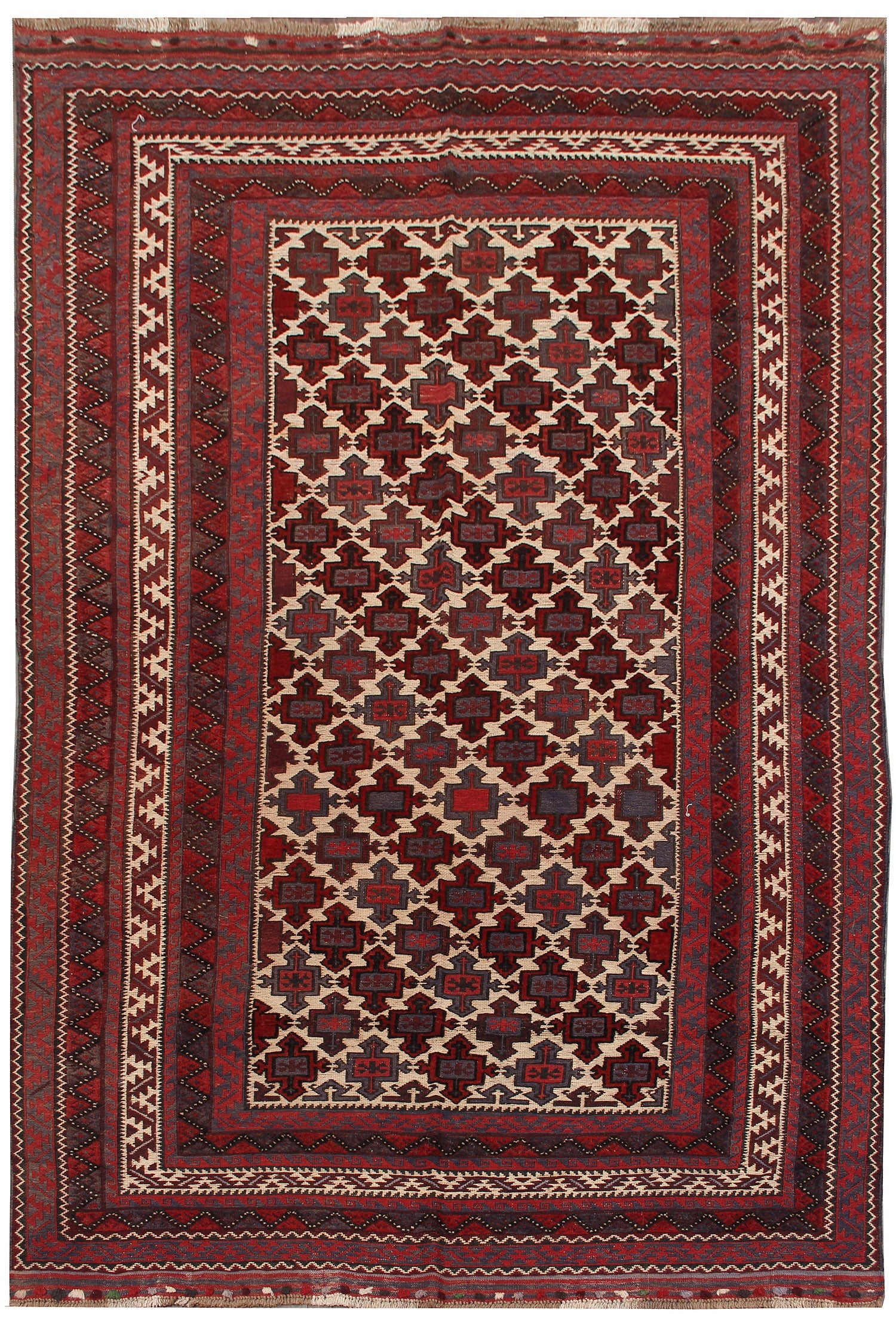
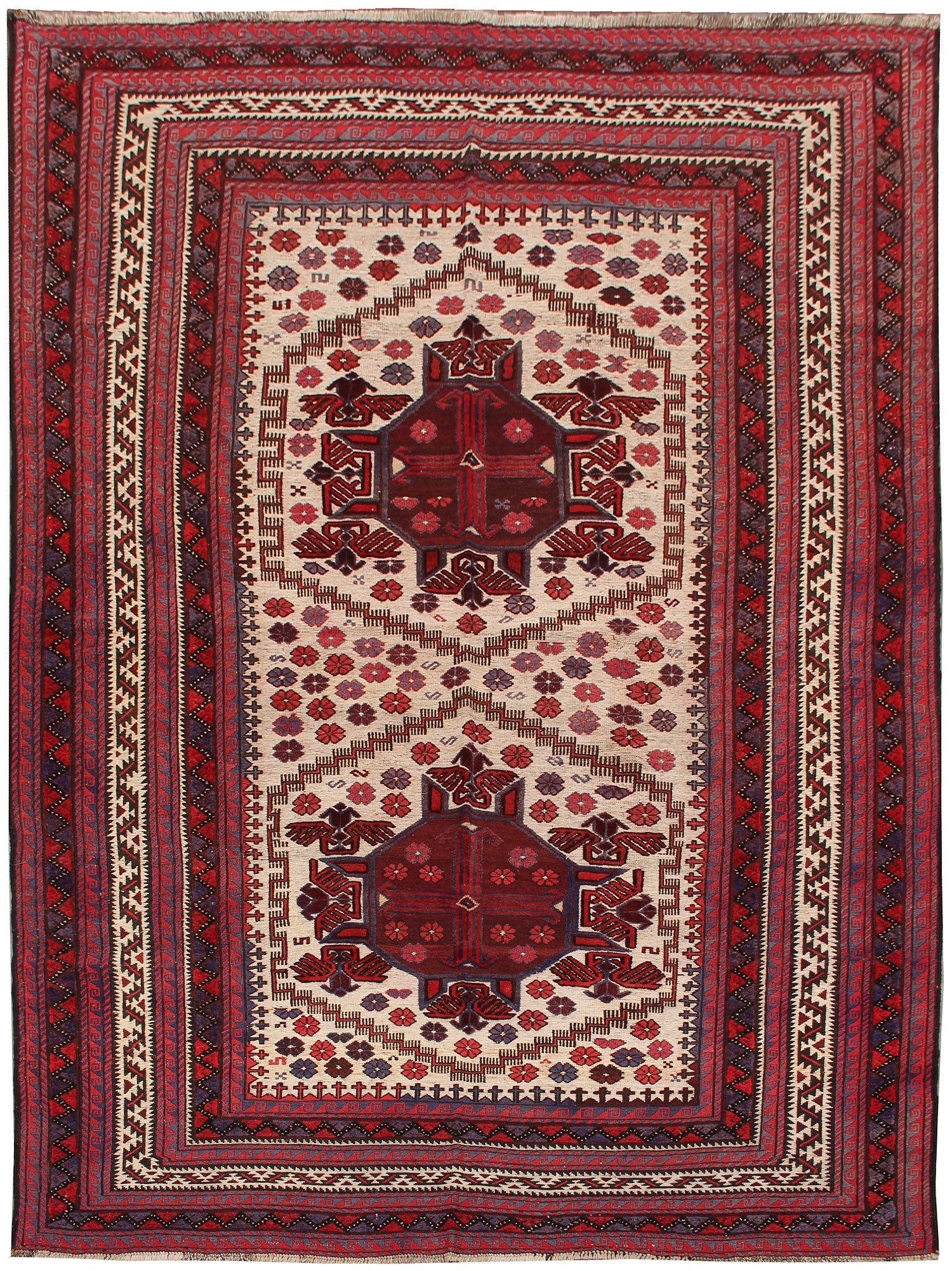
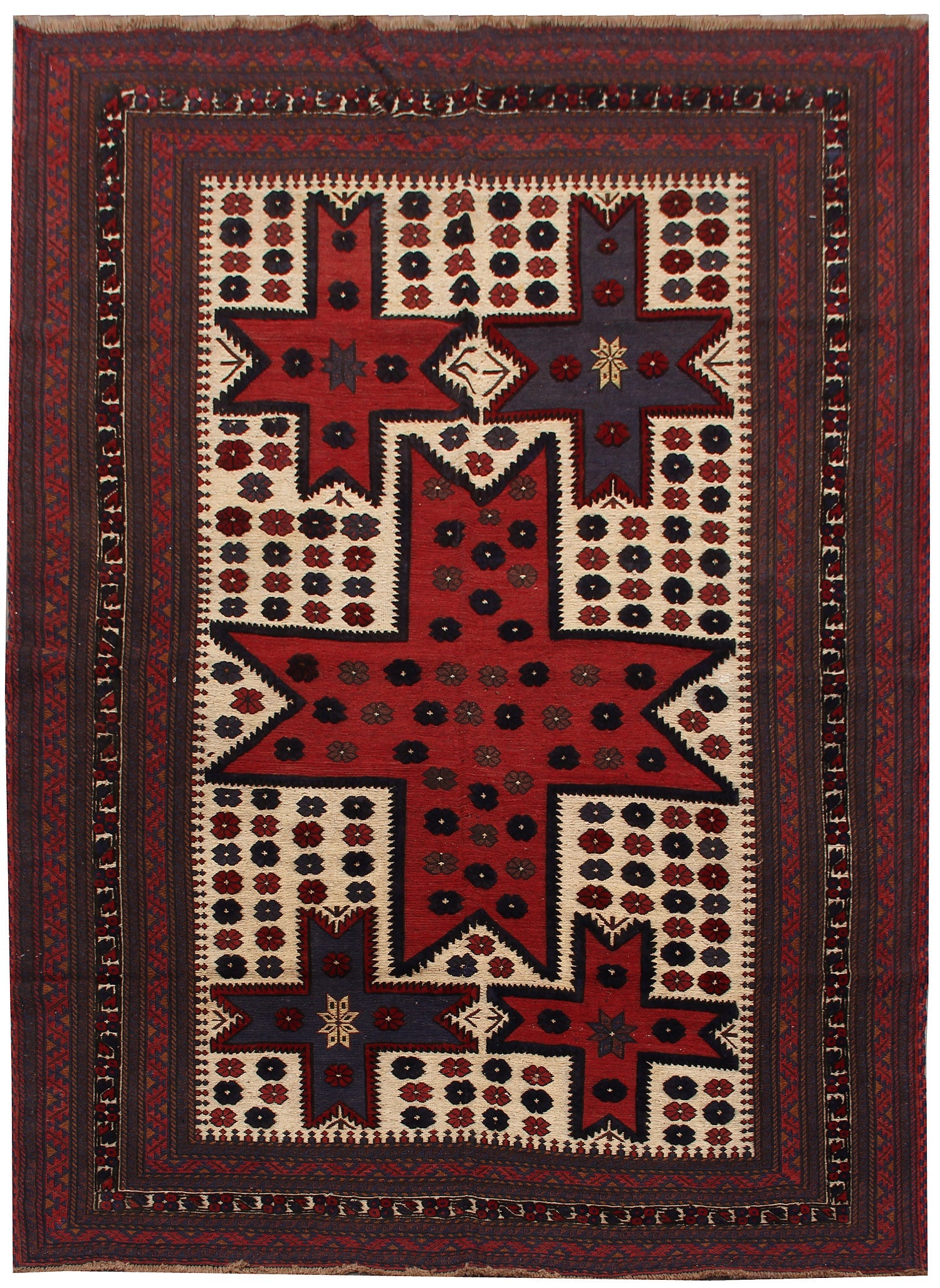
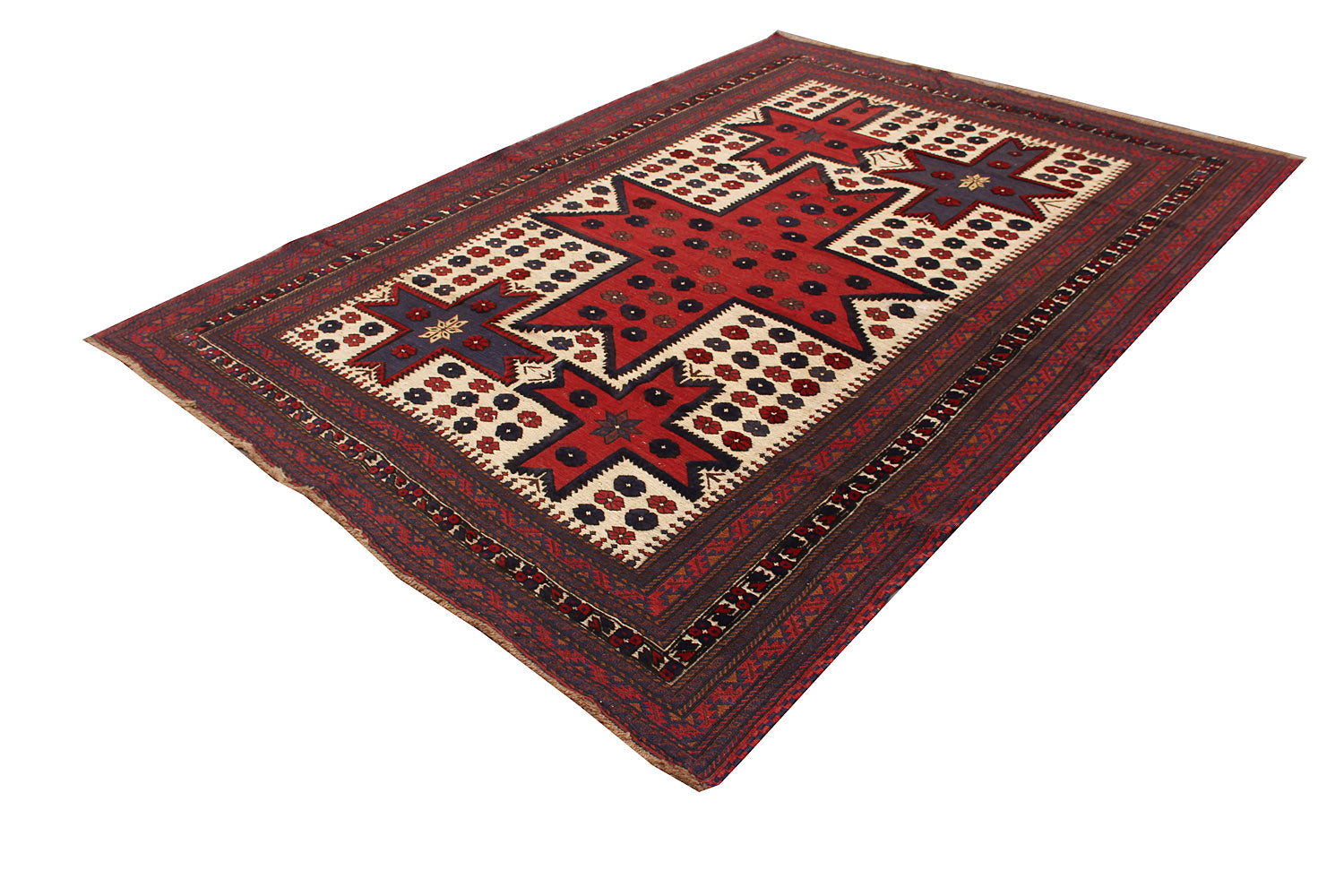
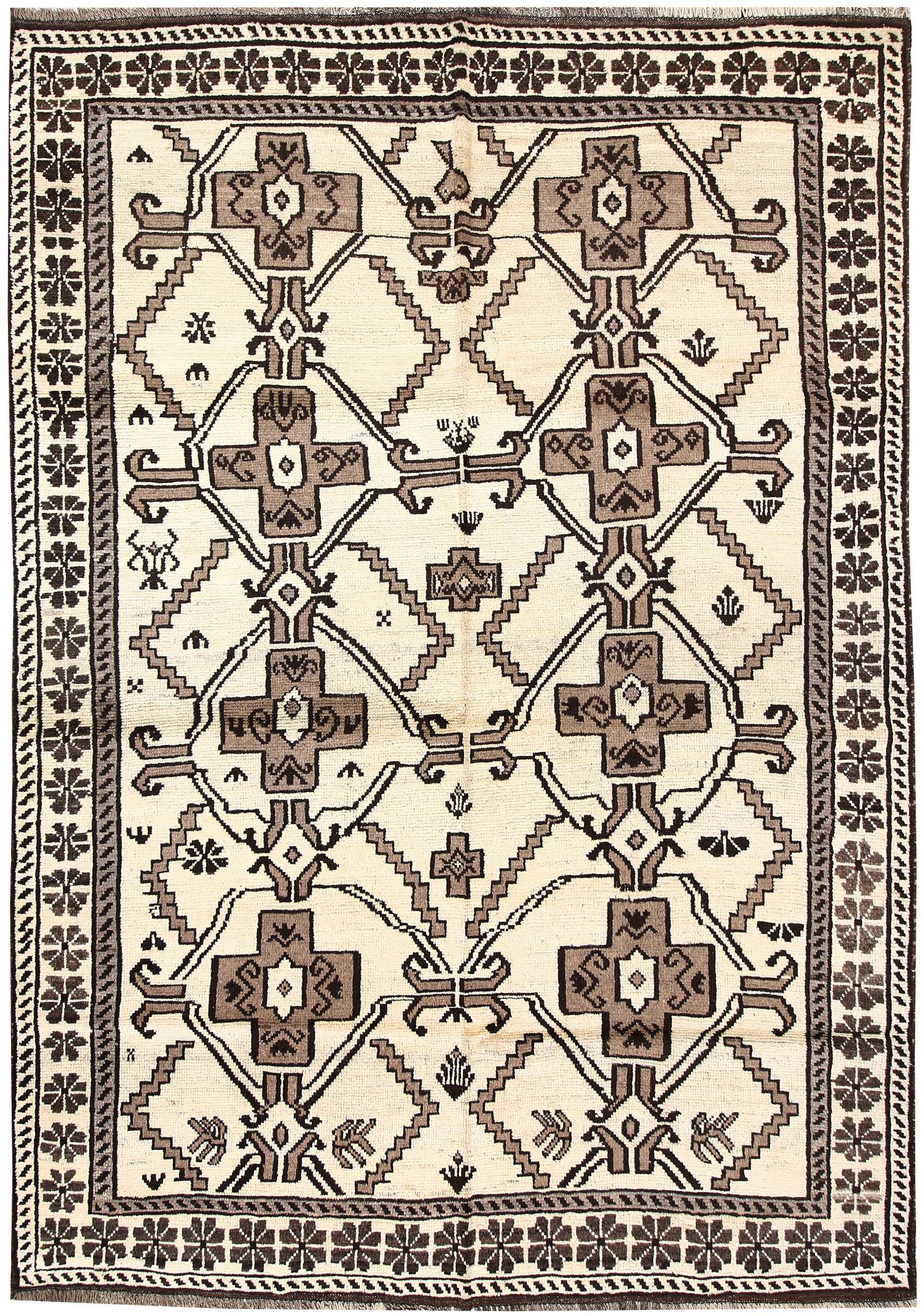
Many of the rugs currently featured in this collection are 6' × 9' handmade pieces, including Oushak, Loribaft, Kazak, Ziegler, Gabbeh, Berjista, Mamluk, and Natural Taimani designs.
Handmade Dining Room Rugs
A handmade dining room rug can make a table feel more grounded and intentional.
The rug creates a visual foundation beneath the dining table while adding softness and texture to hard flooring. A detailed traditional rug can become the focal point of the room, while a simpler geometric or tribal design can complement the furniture without competing with it.
Handmade construction also gives each rug individual character. Subtle variations in the weave, color, and pattern are part of what makes a handmade rug different from a mass-produced carpet.
Dining Table Rugs
A rug under the dining table should be chosen with the movement of the chairs in mind.
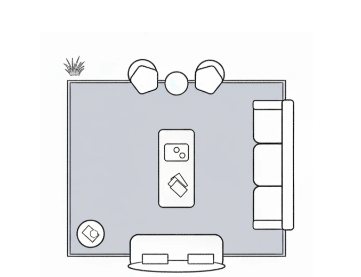
The most important measurement is not simply the size of the table. The rug needs enough space around the table for chairs to remain fully on the rug when they are pulled out for someone to sit down. A common starting point is approximately 24 inches of additional rug beyond each edge of the table.
This gives the dining area a more comfortable and balanced appearance while allowing chairs to move naturally.
Dining Room Area Rugs
A dining room area rug can visually define the dining zone, especially in open-plan homes where the dining table shares space with a kitchen or living room.
Placing the rug centrally beneath the table creates a clear boundary around the dining area. It can also soften the room, add visual depth, and bring together the colors of the table, chairs, lighting, walls, and surrounding décor.
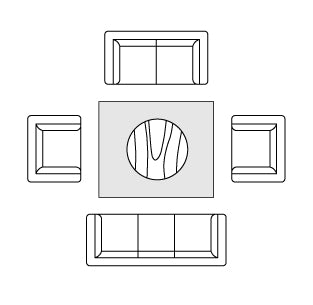
For a rectangular dining table, a rectangular rug is often the natural choice. For round tables, a round or square rug can create a more cohesive relationship between the table and the rug.
Persian Dining Room Rugs
A Persian dining room rug can bring traditional craftsmanship and intricate pattern into the heart of the home.
Floral motifs, medallions, geometric borders, and layered colors can add richness beneath a simple dining table. A handmade Persian rug can also create contrast in a contemporary dining room, pairing traditional pattern with modern furniture and clean architectural lines.
QRugs' current dining room collection includes Persian styles such as Loribaft, Ziegler, Gabbeh, and Mamluk.
Turkish Dining Room Rugs
Traditional Turkish rugs can bring expressive color, traditional motifs, and handmade texture into a dining space.
Oushak-inspired rugs with spacious floral designs can work beautifully beneath wooden dining tables, while more geometric designs can complement contemporary furniture.
A Turkish dining room rug can become the visual element that connects the table and chairs with the rest of the room.
Tribal Dining Room Rugs
For a dining room with a more relaxed and collected feeling, a handmade tribal rug can add personality without making the space feel overly formal.
Geometric motifs, expressive colors, and natural wool texture can work particularly well with wooden tables, simple chairs, and neutral walls.
Afghan tribal designs can also introduce a strong sense of handmade craftsmanship while maintaining a warm and approachable atmosphere.
Wool Dining Room Rugs
Wool is a natural material commonly used in handmade rugs and brings warmth, texture, and softness to a dining space.
A wool dining room rug can create a comfortable surface beneath the table while adding visual depth through its natural texture. Hand-knotted wool rugs also have a distinctive character because the surface is shaped by individual knots and traditional weaving techniques.
Several of the current QRugs dining room pieces are hand-knotted wool rugs, including Loribaft, Ziegler, Gabbeh, and Mamluk examples.
Large Dining Room Rugs
A dining room rug should never feel too small beneath the table.
If the rug ends immediately around the table legs, dining chairs can catch the edge when pulled back. A larger rug gives chairs enough room to move while creating a more complete visual frame around the dining furniture.
For larger dining tables, 8' × 10', 9' × 12', and 10' × 14' rugs are commonly used depending on the table dimensions and available room. The exact size should always be determined by measuring the table and allowing enough clearance for pulled-out chairs.
6' × 9' Dining Room Rugs
A 6' × 9' rug can be a practical option for many dining rooms, particularly where the table and surrounding space are more compact.
QRugs currently has a strong selection of 6' × 9' rugs in this collection, including Persian, Turkish, Afghan, and tribal styles.
Before choosing this size, measure your dining table and chairs to make sure there is sufficient room for the chairs to remain on the rug when pulled out.
Dining Room Rugs for Modern Homes
A dining room rug does not have to be contemporary in design to work in a modern home.
A traditional Persian or Turkish rug can create beautiful contrast beneath a modern dining table. Similarly, a simple Gabbeh or tribal rug can complement minimalist furniture while introducing warmth and texture.
Natural wood, neutral upholstery, black furniture, stone surfaces, and contemporary lighting can all work naturally with handmade rugs.
Dining Room Rugs for Traditional Interiors
For a more traditional dining room, choose a rug with richer colors, detailed borders, floral motifs, or a classic medallion.
These designs can complement wooden dining tables, upholstered chairs, warm lighting, and other traditional furnishings.
A patterned rug can also help make a simple dining room feel more layered without requiring additional decoration.
Choosing the Right Dining Room Rug Size
Start by measuring your dining table at its largest usable size, including any extensions you regularly use.
Then allow enough rug around the table for the chairs to remain completely on the rug when pulled out. A common guideline is to have at least 24 inches of rug beyond the table on each side.
Common starting points include:
- 6' × 9' for smaller dining arrangements
- 8' × 10' for many four to six-seat tables
- 9' × 12' for larger six to eight-seat tables
- 10' × 14' for larger dining tables and spacious rooms
These are starting points rather than fixed rules. Your table dimensions, chair depth, room layout, and available floor space should determine the final size.
The Right Rug Shape for Your Dining Table
The shape of your dining rug can reinforce the shape of the table.
A rectangular dining table naturally pairs with a rectangular area rug, while a round dining table can work particularly well with a round rug. Matching the general shape creates visual harmony, although contrasting shapes can also be used intentionally in more eclectic interiors.
The most important consideration is still sufficient space for the chairs.
One of a Kind Dining Room Rugs
A handmade dining room rug brings something personal to the space.
Small variations in knotting, color, texture, and pattern are natural parts of handmade craftsmanship. These details mean that the rug beneath your dining table has its own character rather than looking exactly like thousands of other carpets.
QRugs' current dining collection includes individual handmade pieces across Persian, Turkish, Afghan, and tribal traditions.
The dining table is often the center of the home. A handmade rug gives that center a foundation with warmth, texture, and a story of its own.
Explore our collection of handmade dining room rugs and find a piece that fits your table, your space, and the way you gather around it.
Frequently Asked Questions
The rug should be large enough for all dining chairs to remain on the rug even when pulled away from the table. A common starting point is approximately 24 inches of additional rug beyond each side of the table.
A useful starting point is at least 24 inches of rug beyond each edge of the table. This provides space for chairs to move without catching the rug edge.
Yes. Ideally, the chairs should remain fully on the rug when they are pulled out for someone to sit down. This is one of the most important considerations when choosing a dining room rug size.
A 6' × 9' rug can work well for smaller dining arrangements, but the table and chair dimensions should be measured first. QRugs currently offers a large selection of 6' × 9' dining room rugs.
An 8' × 10' rug can work well for many four to six-seat dining arrangements, depending on the table dimensions and chair clearance.
A 9' × 12' rug can provide generous coverage for larger dining tables and six to eight-seat arrangements. Always compare the rug dimensions with the actual table and chair measurements.
Yes. Persian rugs can add pattern, color, and traditional craftsmanship beneath a dining table. Their detailed designs can work with both traditional and contemporary dining furniture.
Yes. Turkish rugs offer a wide variety of floral, geometric, and traditional designs that can complement dining tables made from wood, metal, glass, or other materials.
Yes. Wool rugs can bring warmth, texture, and softness to a dining space. Lower-pile constructions can also make it easier for dining chairs to move across the rug.
Look for a rug that is appropriately sized for the table and chairs, has a construction suitable for the room's use, and complements the furniture. Handmade wool rugs, Persian rugs, Turkish rugs, and tribal rugs can all work depending on the space.
It does not need to match exactly. A better approach is to choose colors, patterns, and textures that complement the table, chairs, flooring, and surrounding décor.
Matching shapes often creates a natural visual relationship. Rectangular tables commonly pair with rectangular rugs, while round tables can work particularly well with round rugs.
Yes. A traditional Persian or Turkish rug can create contrast beneath modern dining furniture and add warmth and visual depth to a contemporary space.
Yes. Tribal rugs can bring geometric patterns, expressive colors, and handmade texture to dining spaces. They work especially well with simple wooden furniture and neutral interiors.
Consider the colors of your dining table, chairs, flooring, walls, and surrounding décor. A patterned rug can become the focal point, while a more restrained design can create a quieter foundation.
A rug can provide a layer between furniture and flooring and can help define the dining area. A suitable rug pad can also help keep the rug stable and protect the flooring.
Measure the table at its largest size and allow enough rug around every side for the chairs to remain fully on the rug when pulled out. For larger tables, 9' × 12' or 10' × 14' rugs may provide the necessary coverage depending on the room.
QRugs states that its rugs are one of a kind. The current dining room collection contains individual handmade pieces across Persian, Turkish, Afghan, and other traditional rug styles.
Center the rug beneath the dining table, make sure there is enough space for the chairs, and use the rug's colors to connect the table, chairs, lighting, walls, and surrounding décor. A traditional patterned rug can become a focal point, while a simpler rug can provide a quieter foundation.
About us
We are more than a rug business. We carry a responsibility. Every rug we offer is 100% handmade, crafted knot by knot using techniques passed down through generations.
By working directly with artisans, we ensure authenticity, fair practices, and the preservation of true craftsmanship. Each piece is made to last, rich in history, quality, and purpose.
Our vision is to keep authentic handmade rug traditions alive for generations to come. Our mission is to support skilled artisans by offering ethically sourced, fully handmade rugs that combine heritage, quality, and lasting value.
Our values reflect true craftsmanship with no machines or shortcuts, direct relationships that support artisans, lasting quality, cultural preservation, and real impact through every purchase.
