











Hand-Knotted Salt Bags
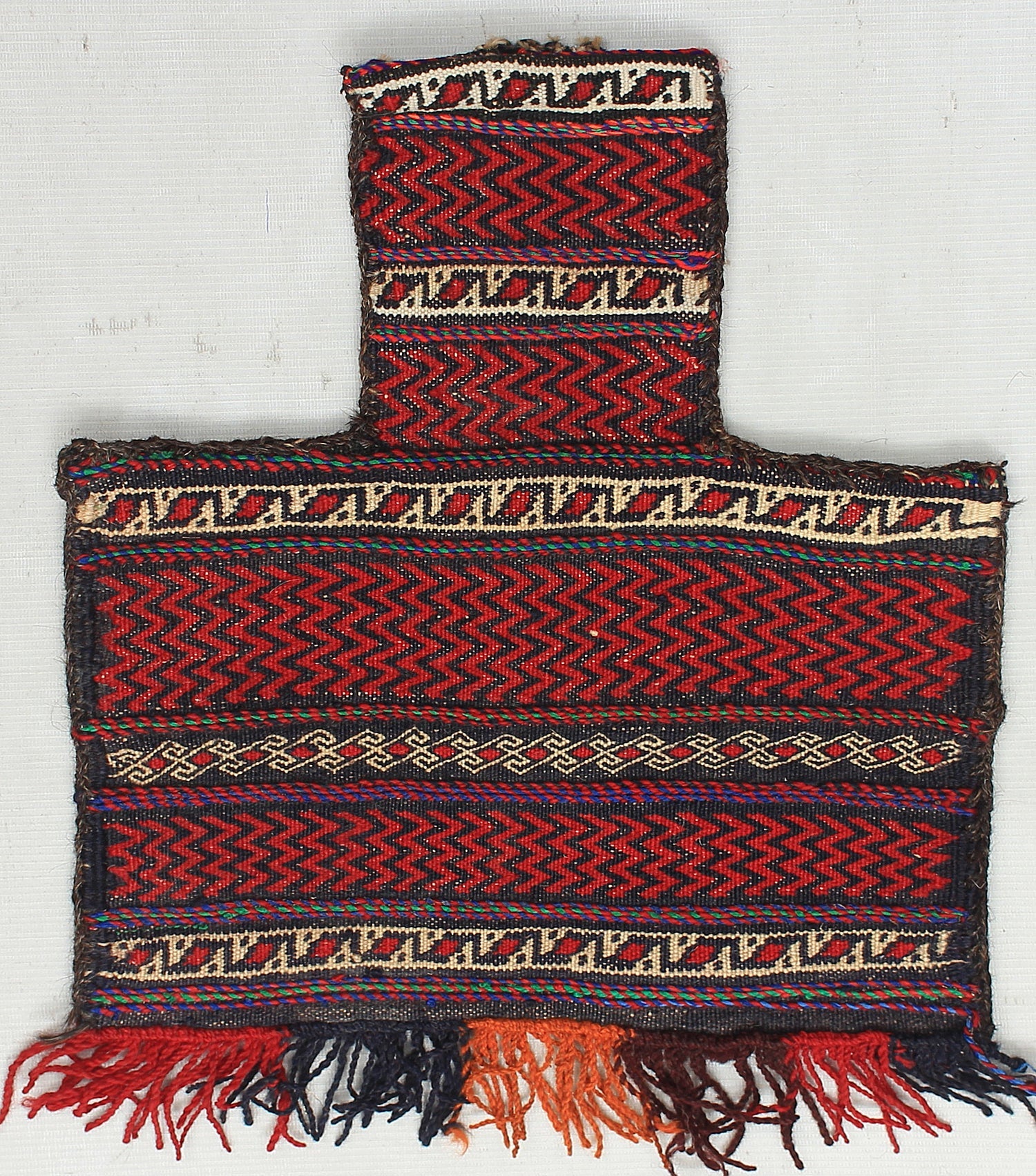
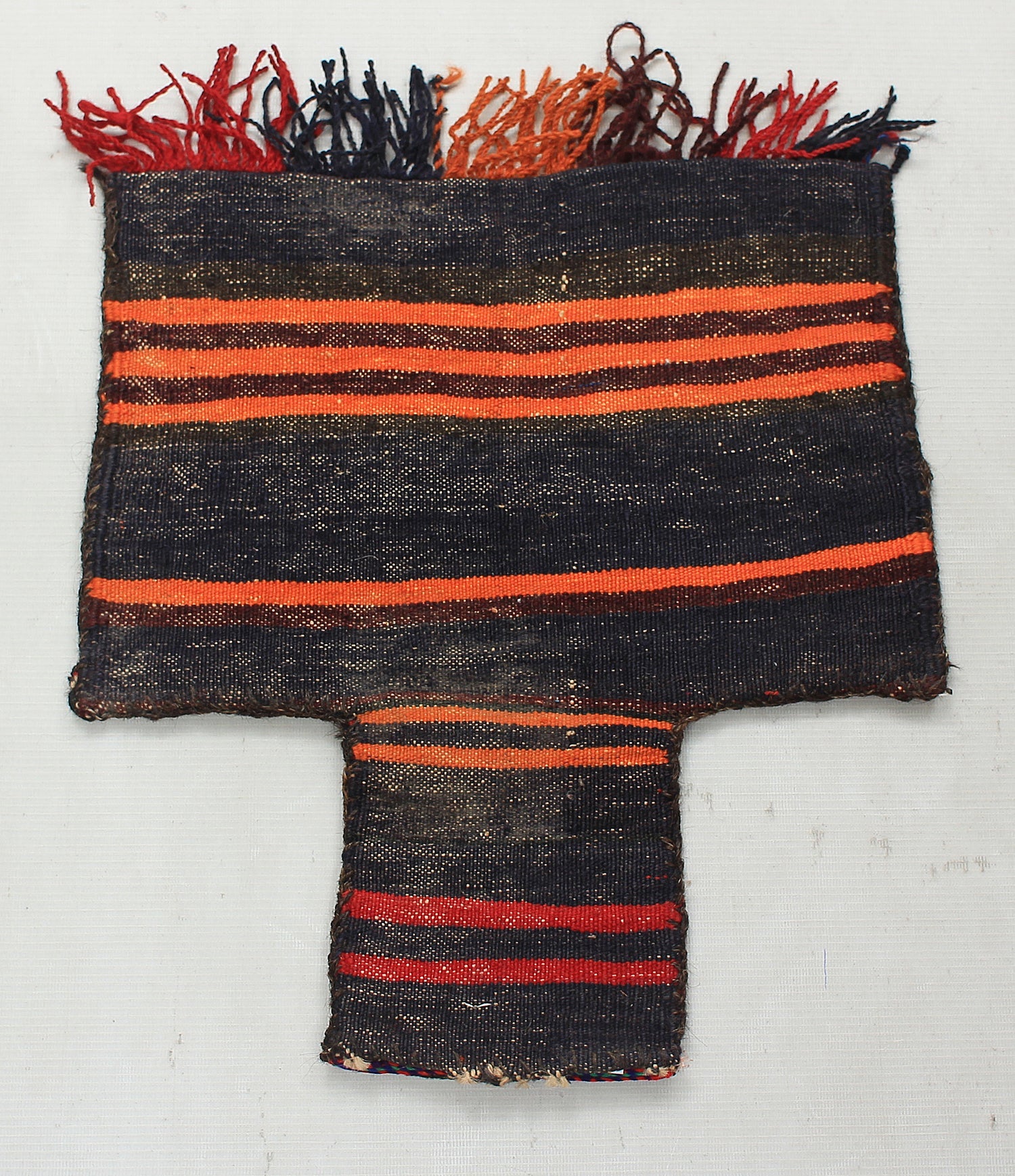
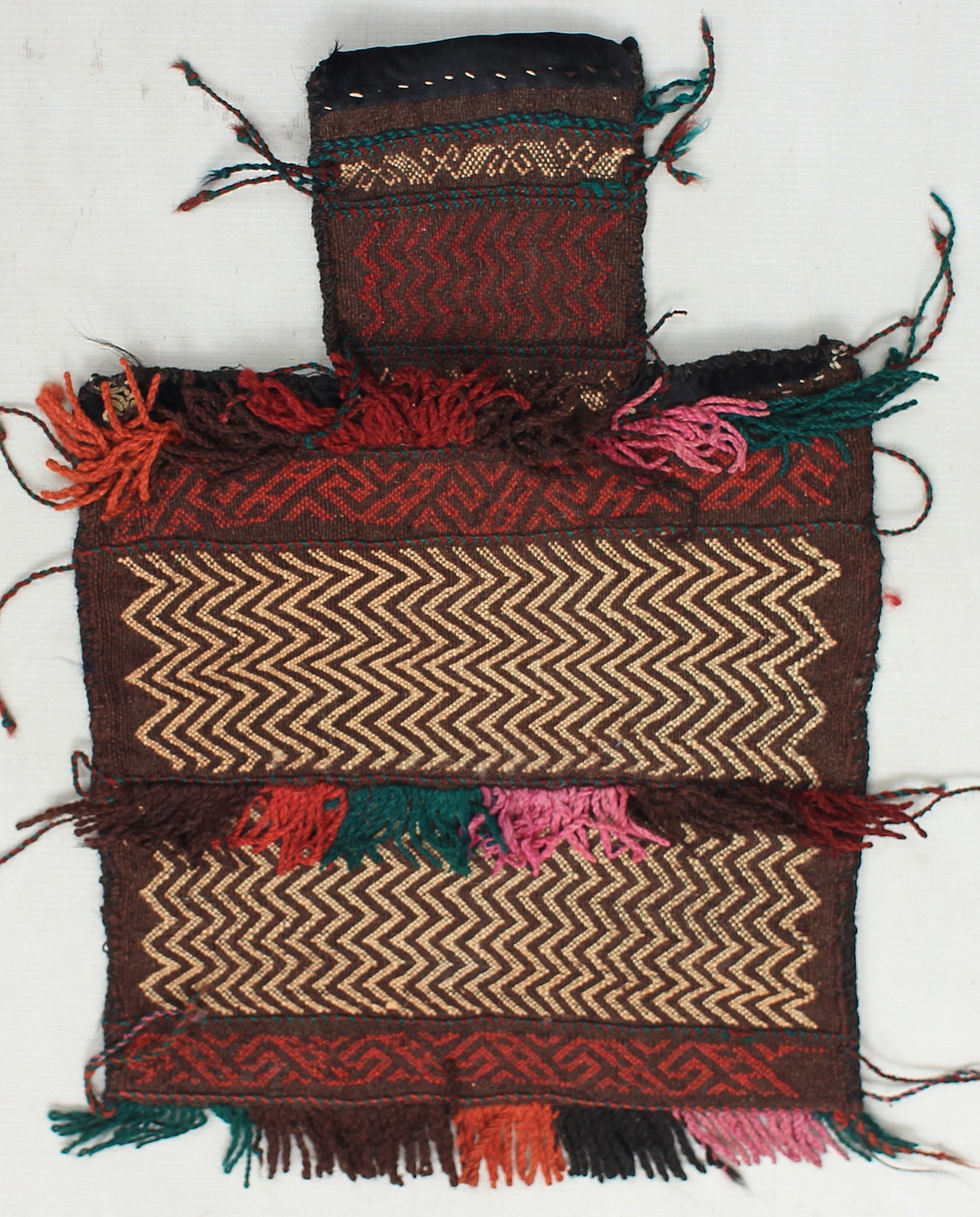
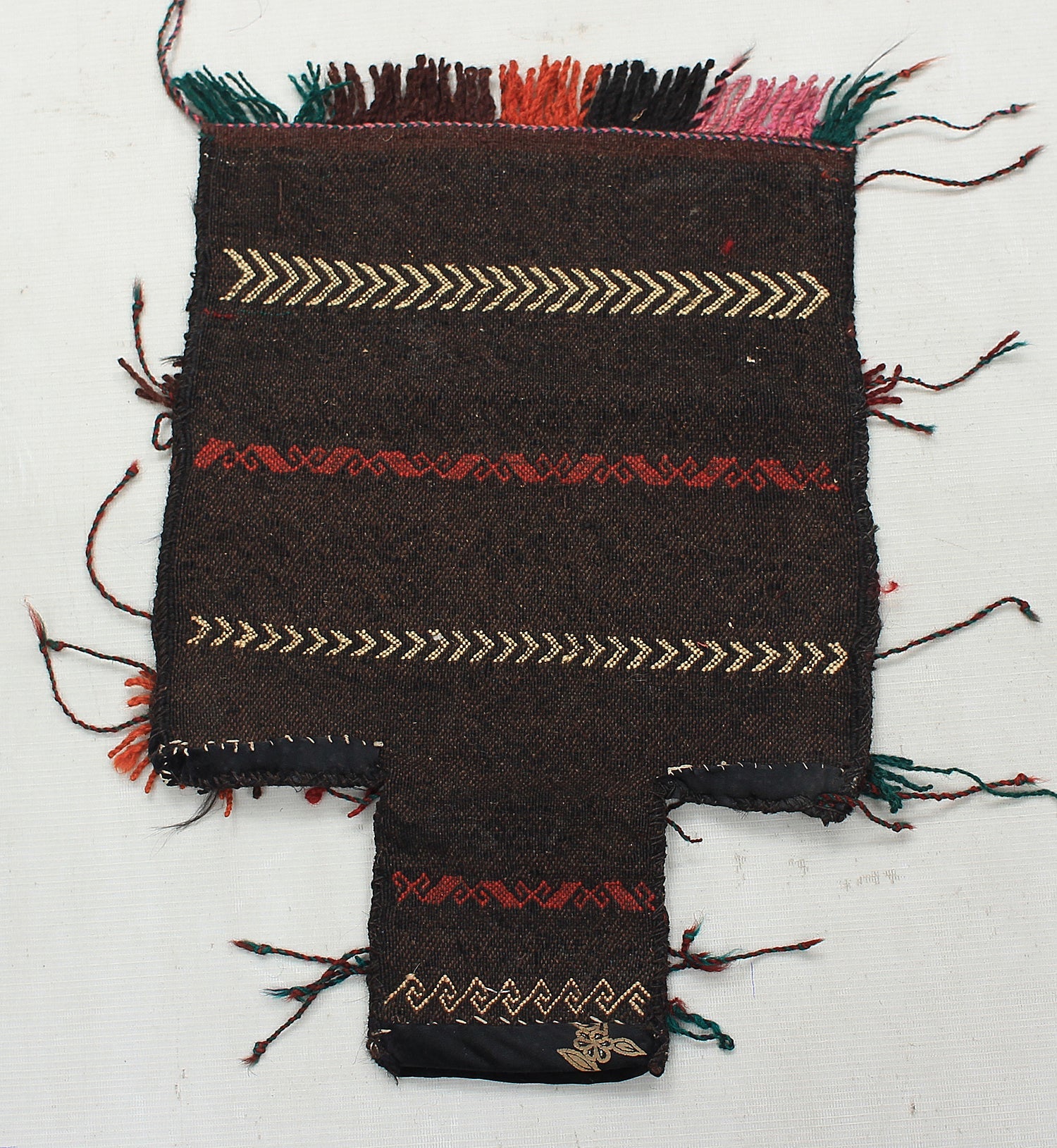
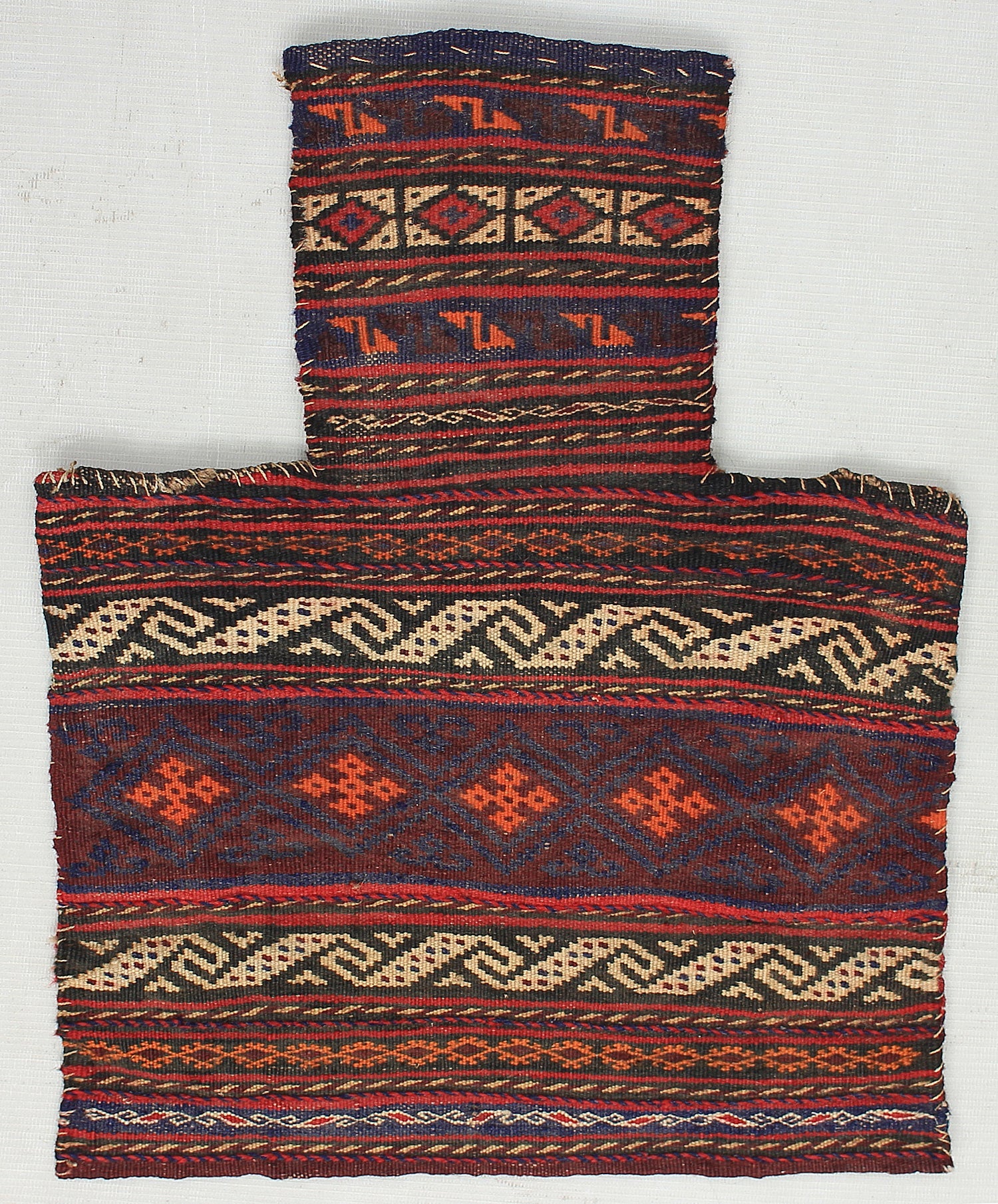
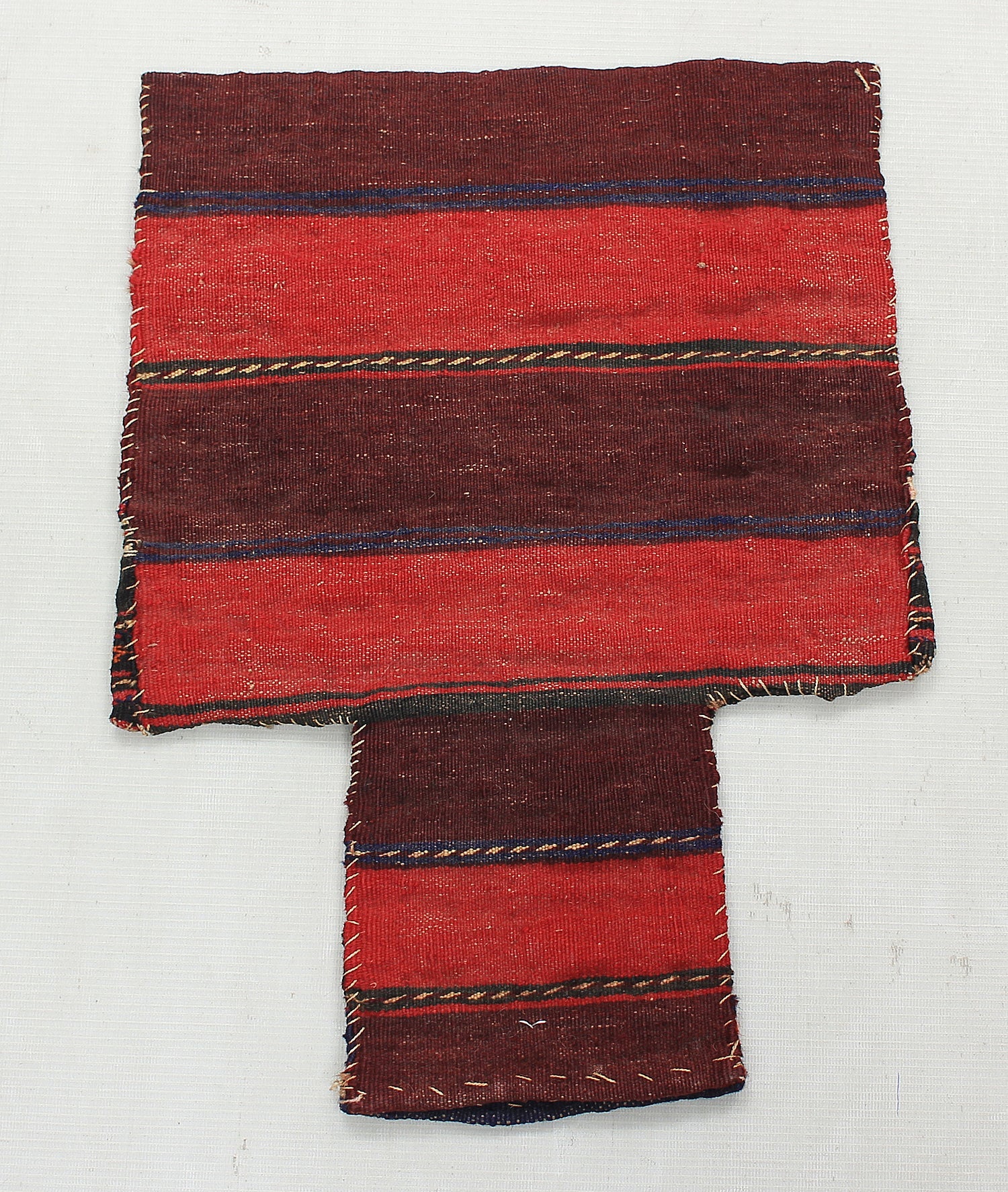
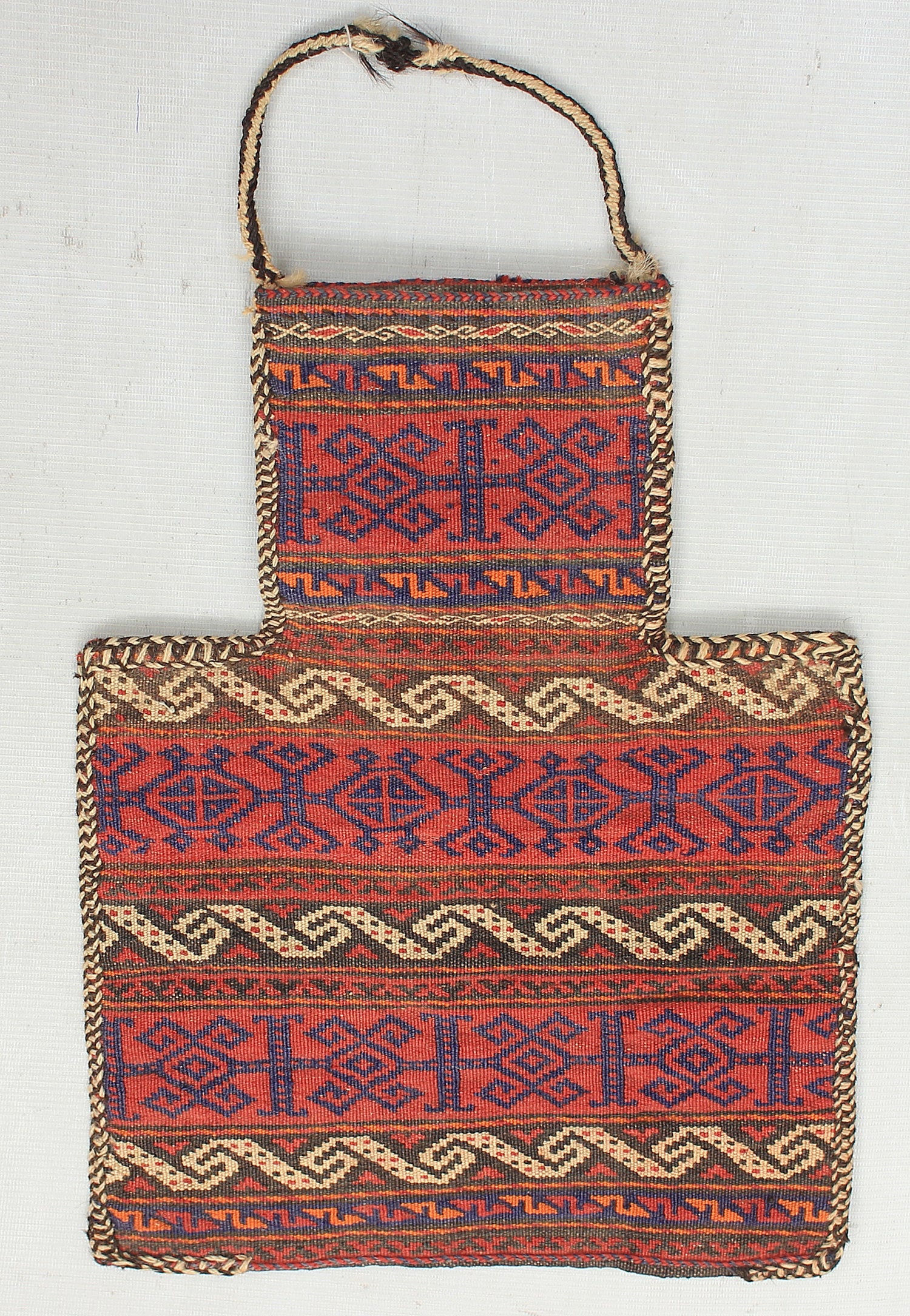
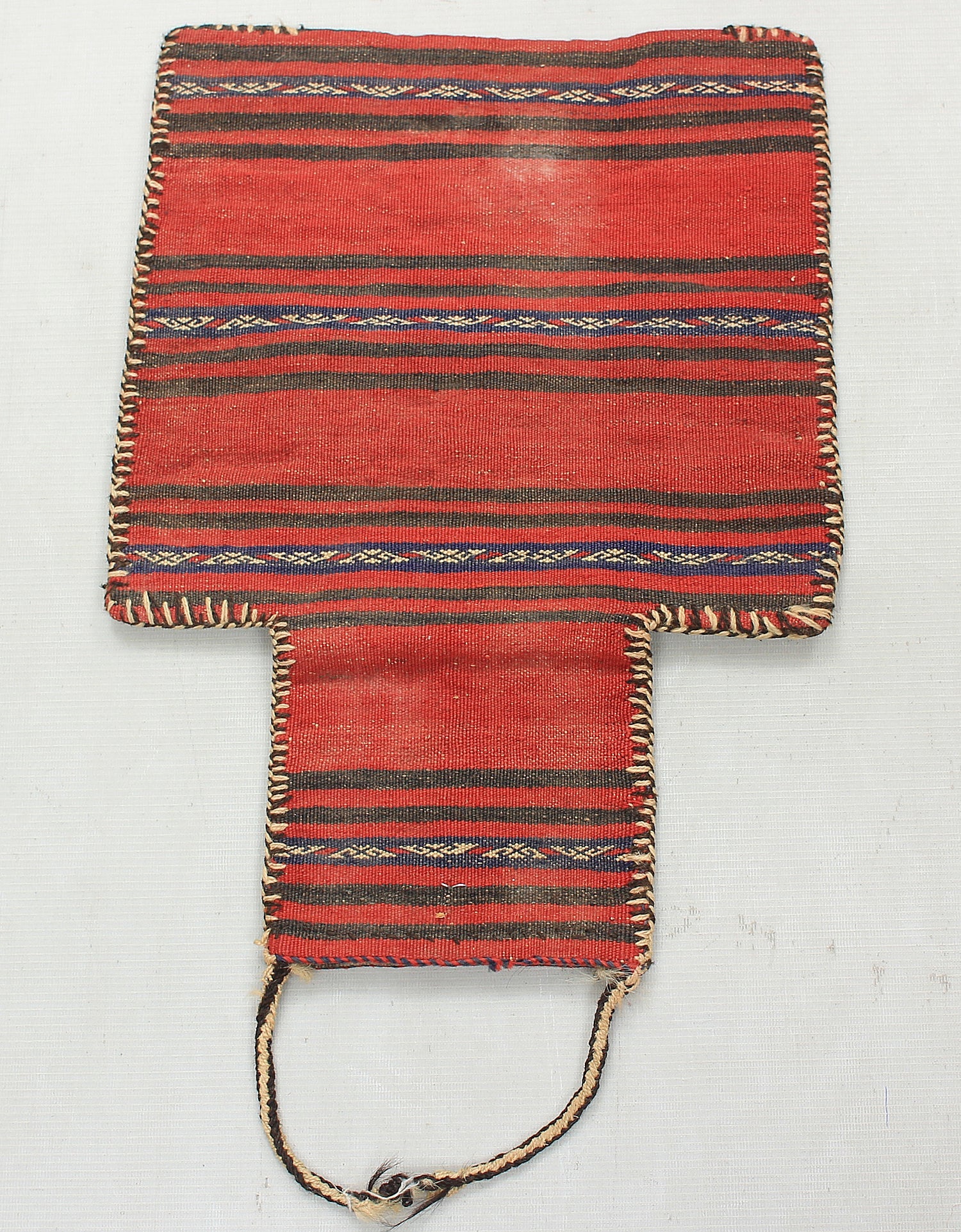
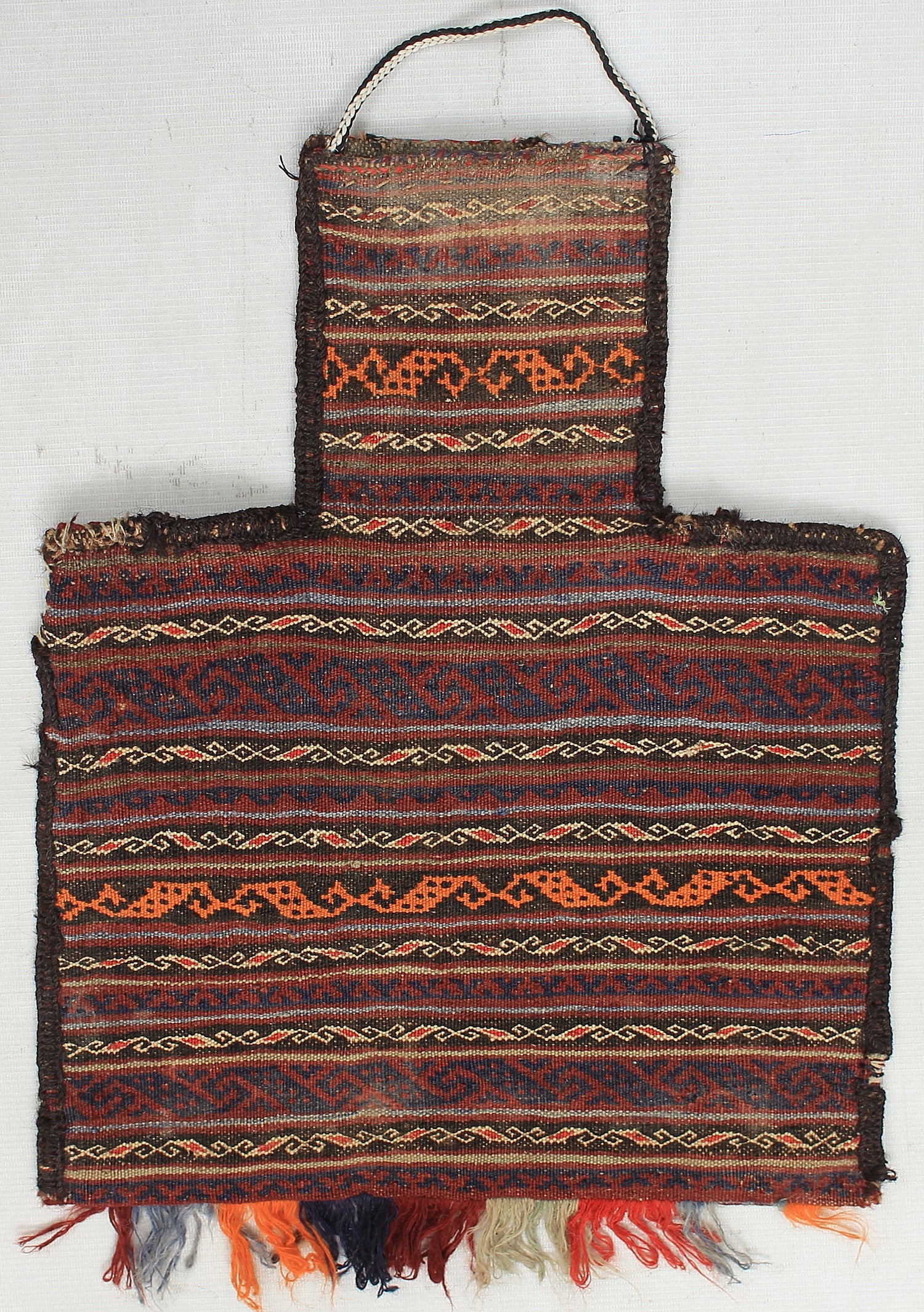
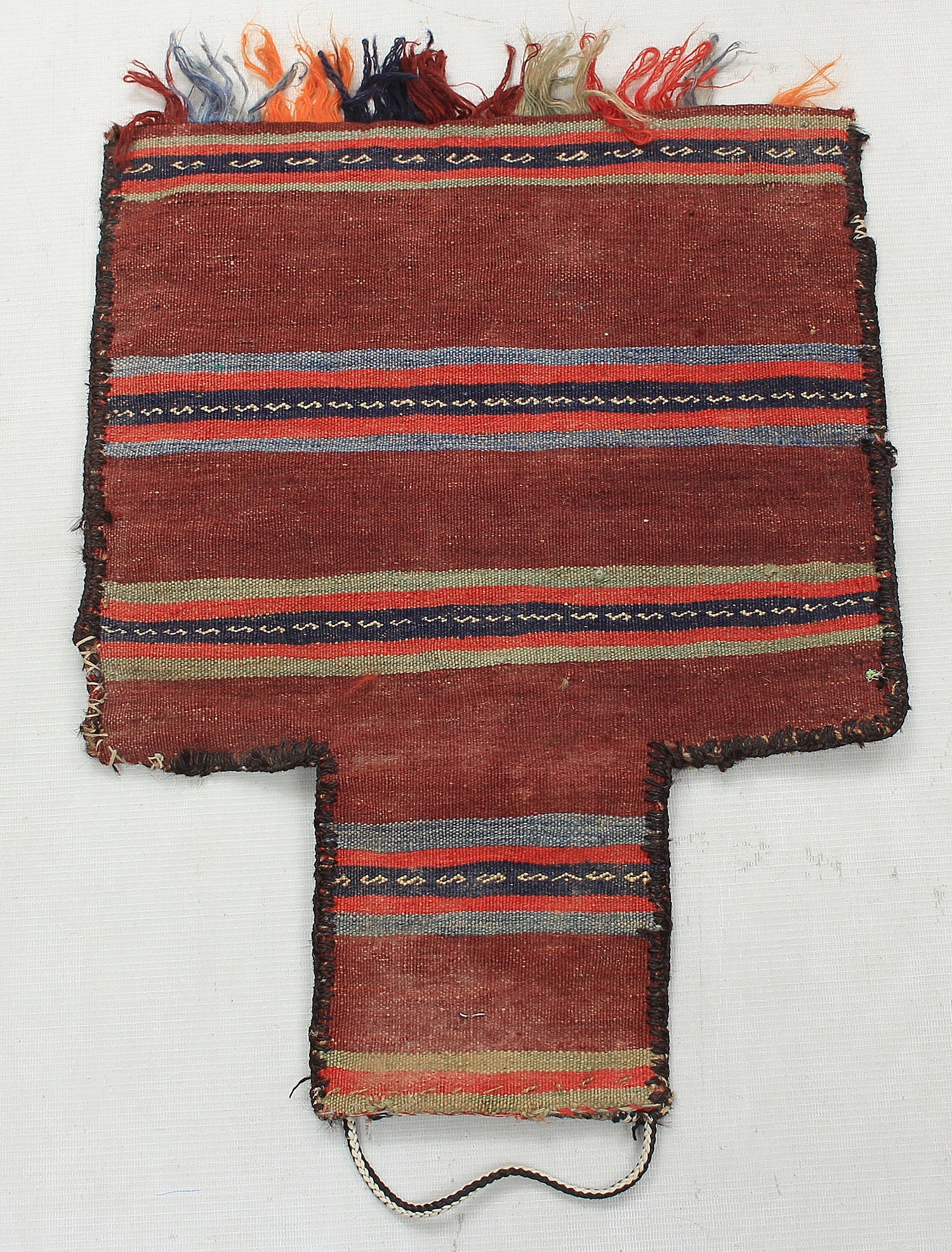
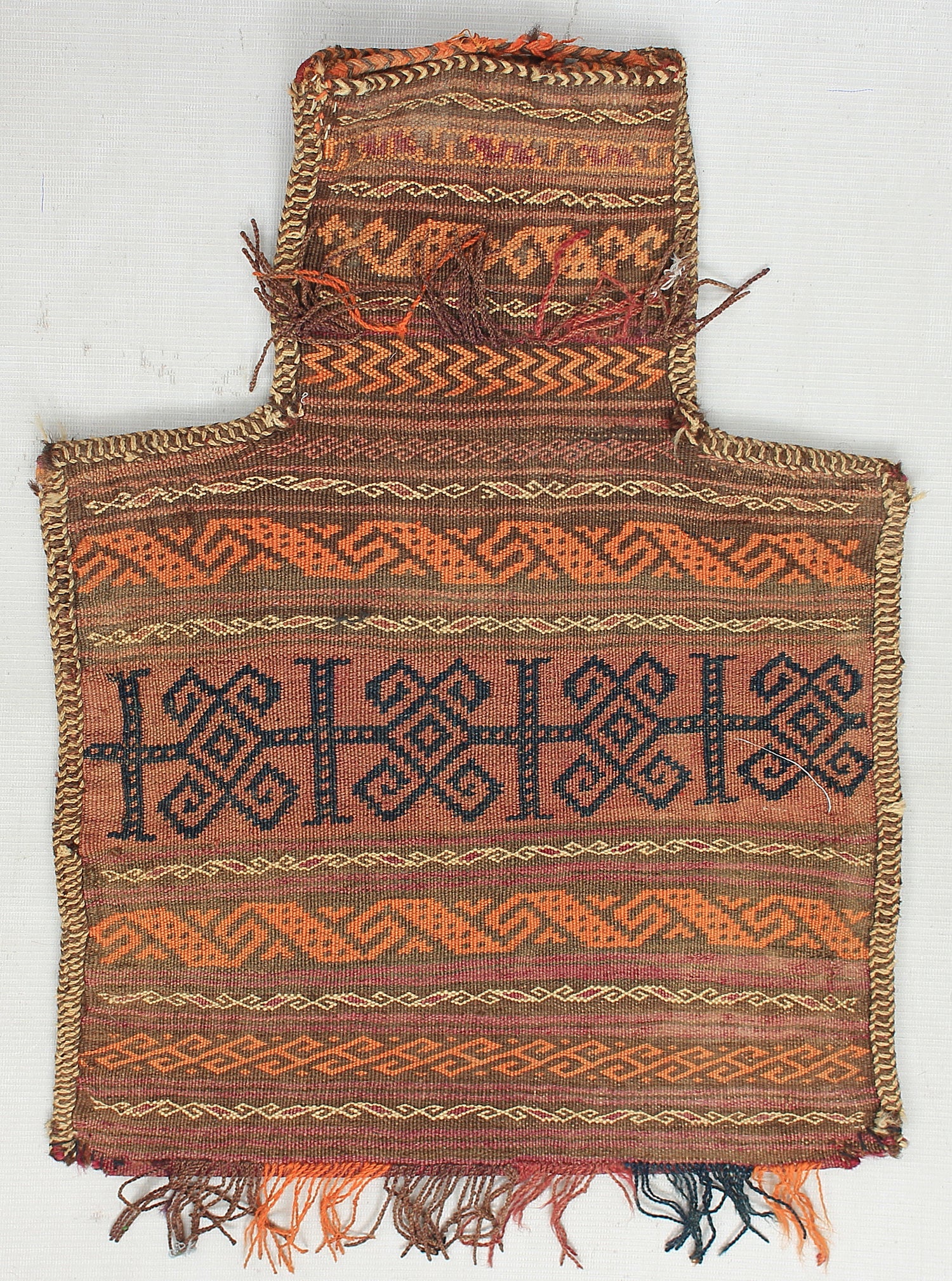
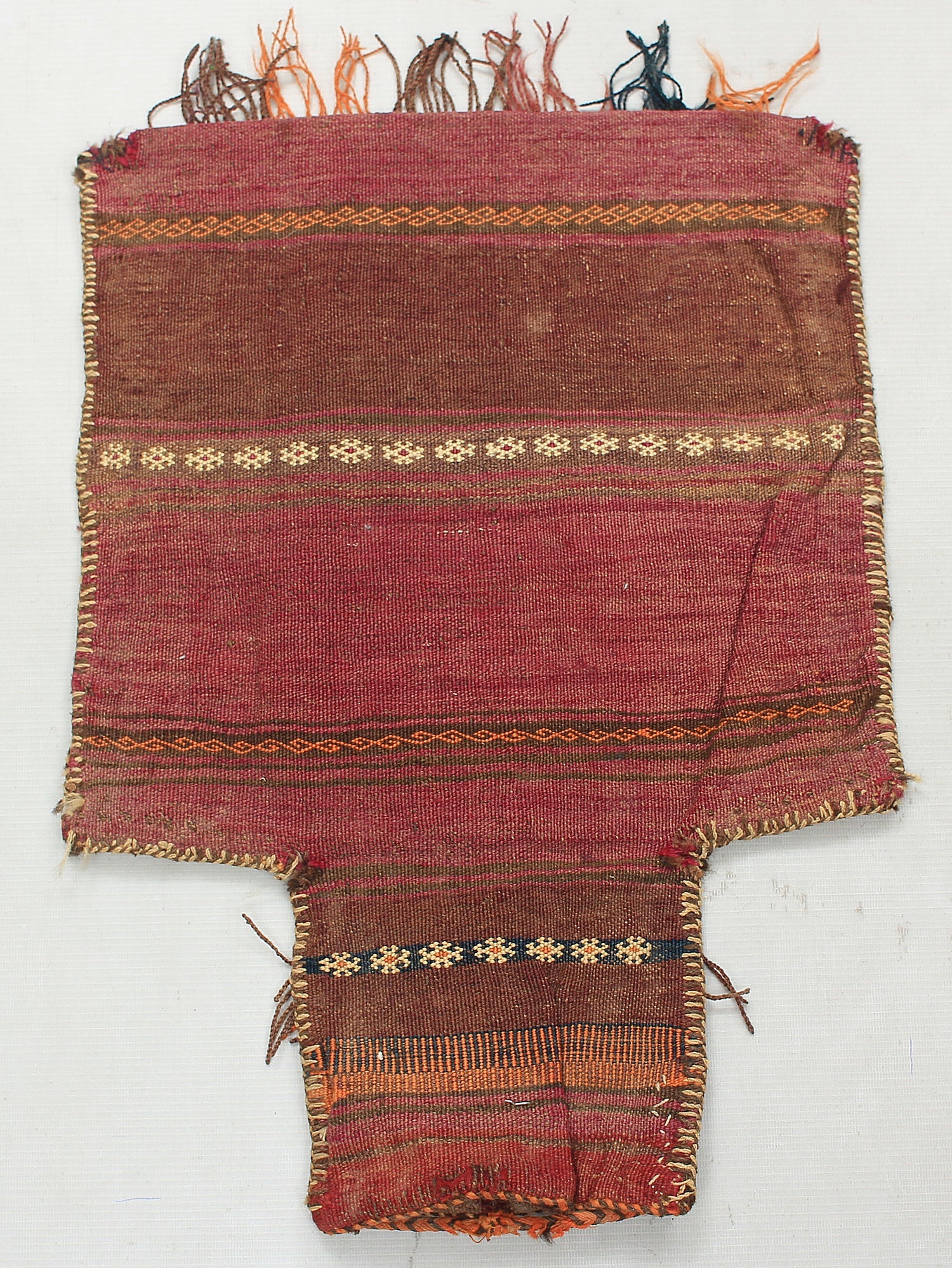
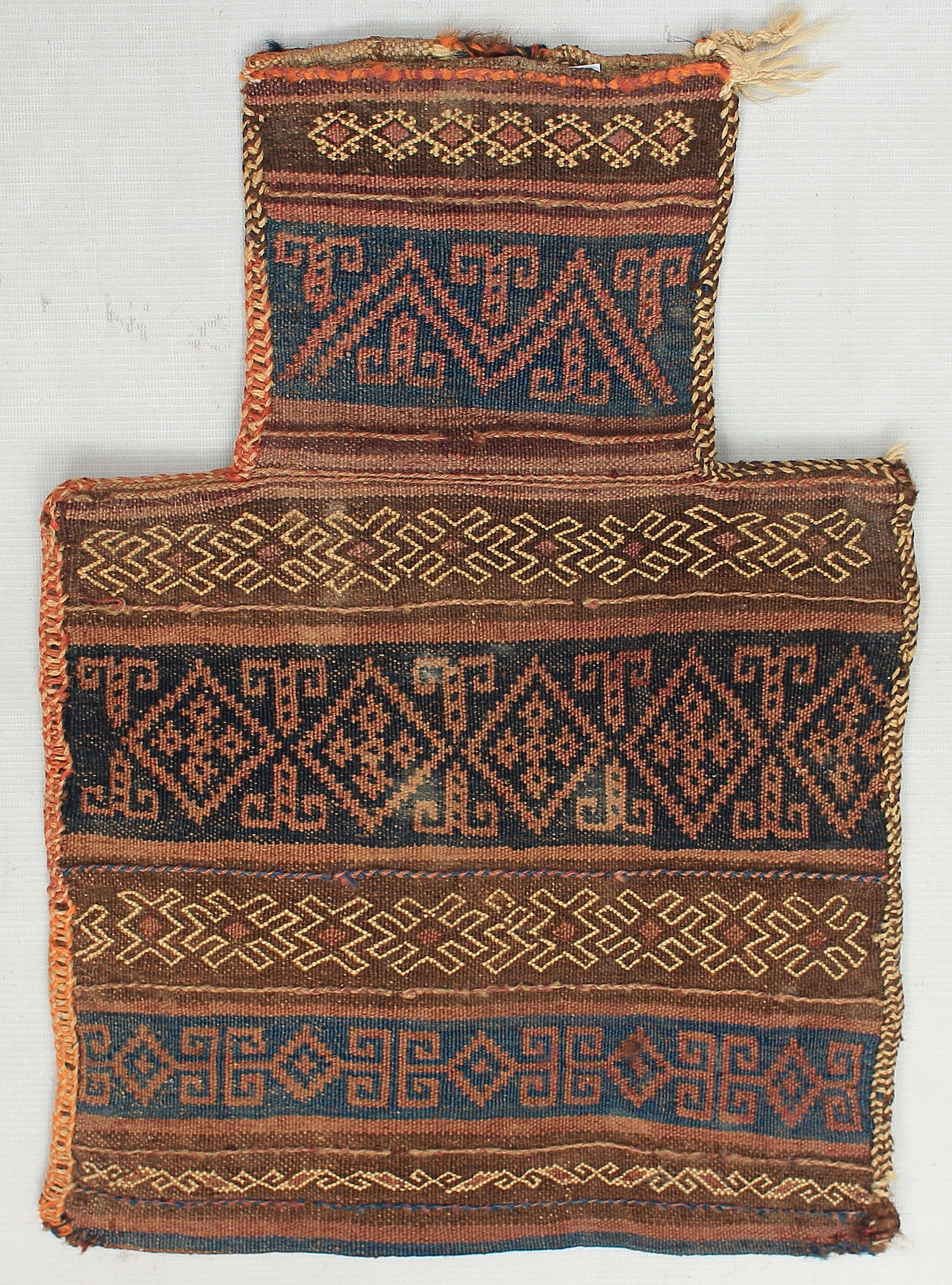
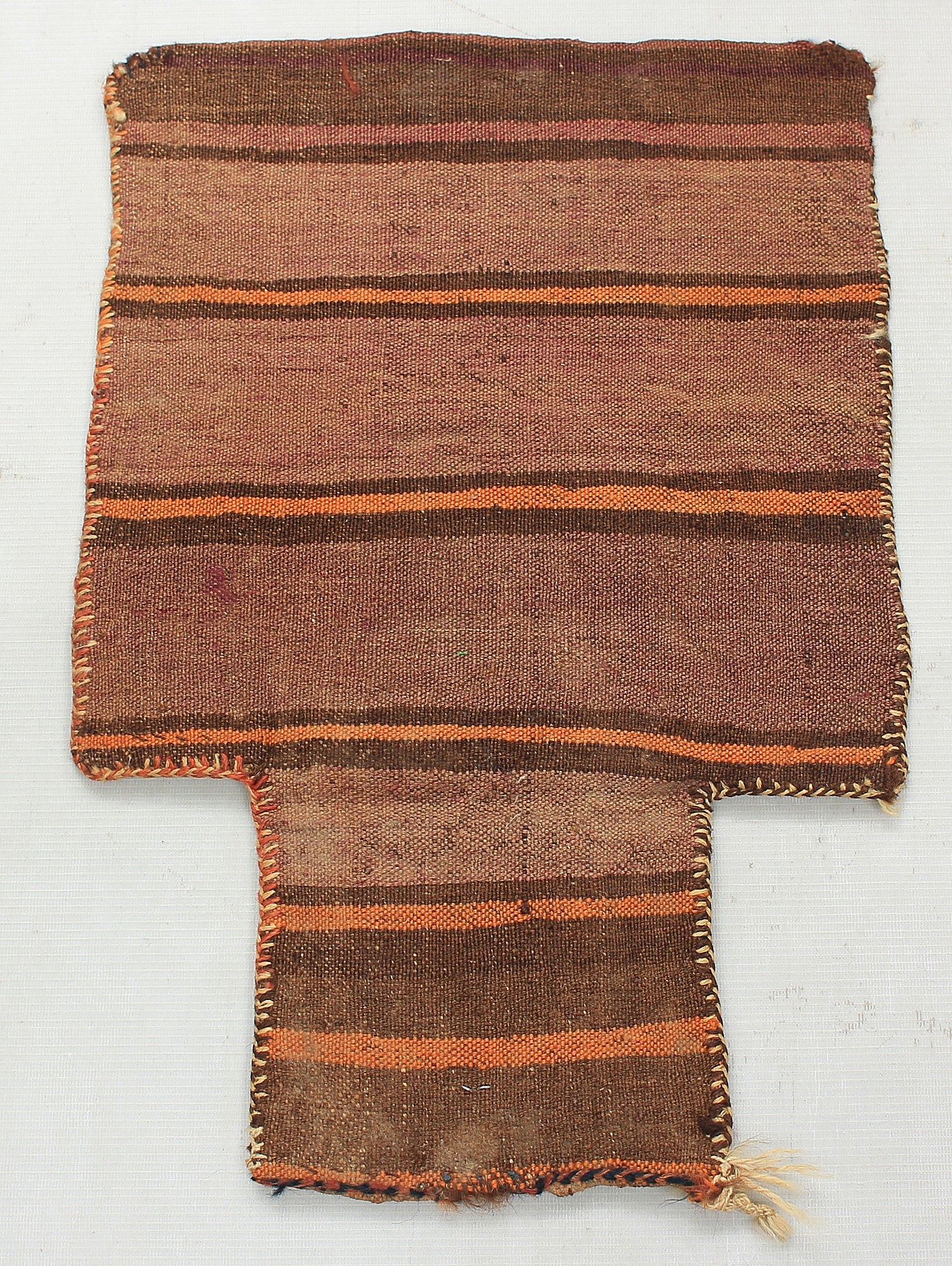
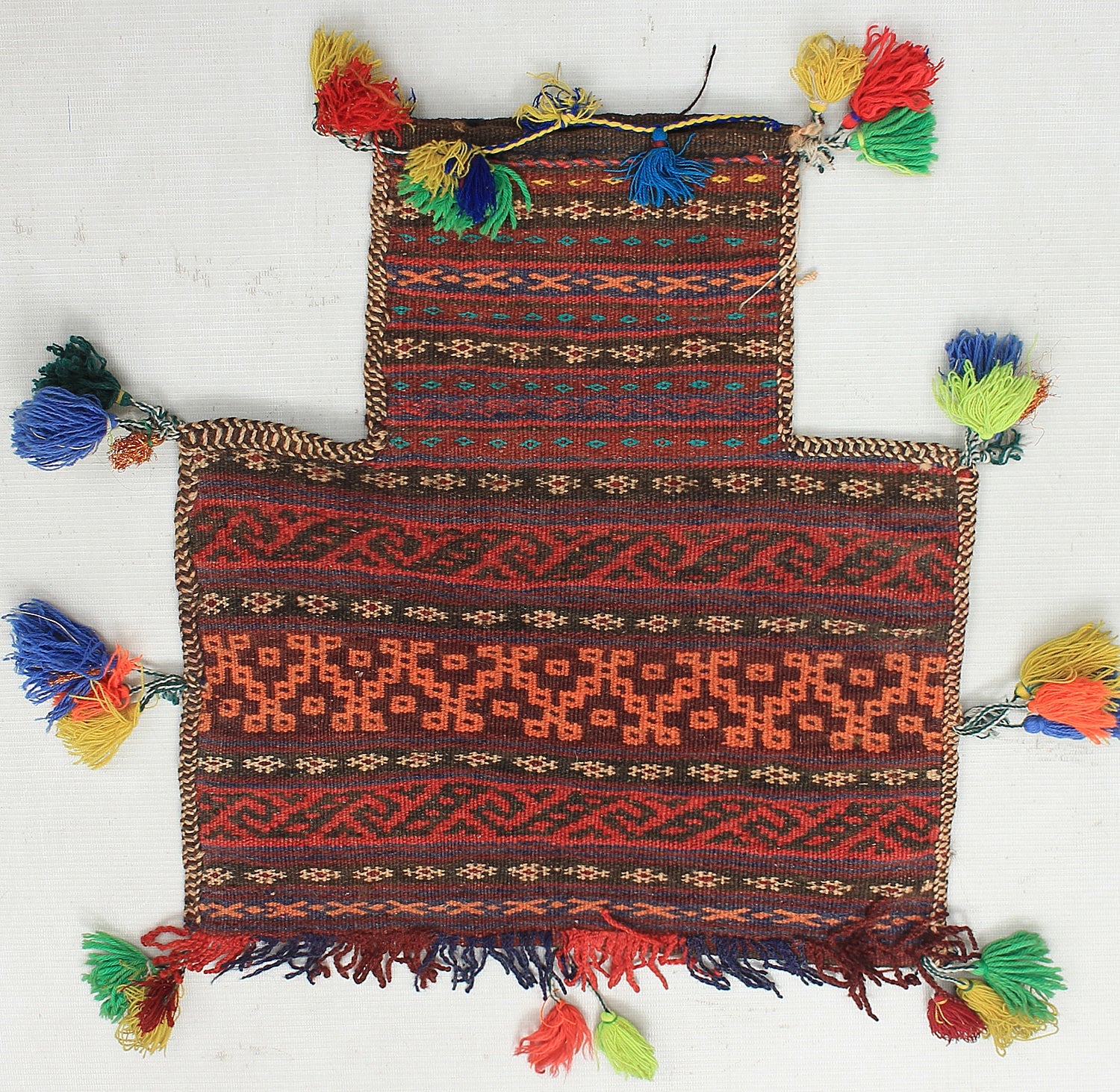
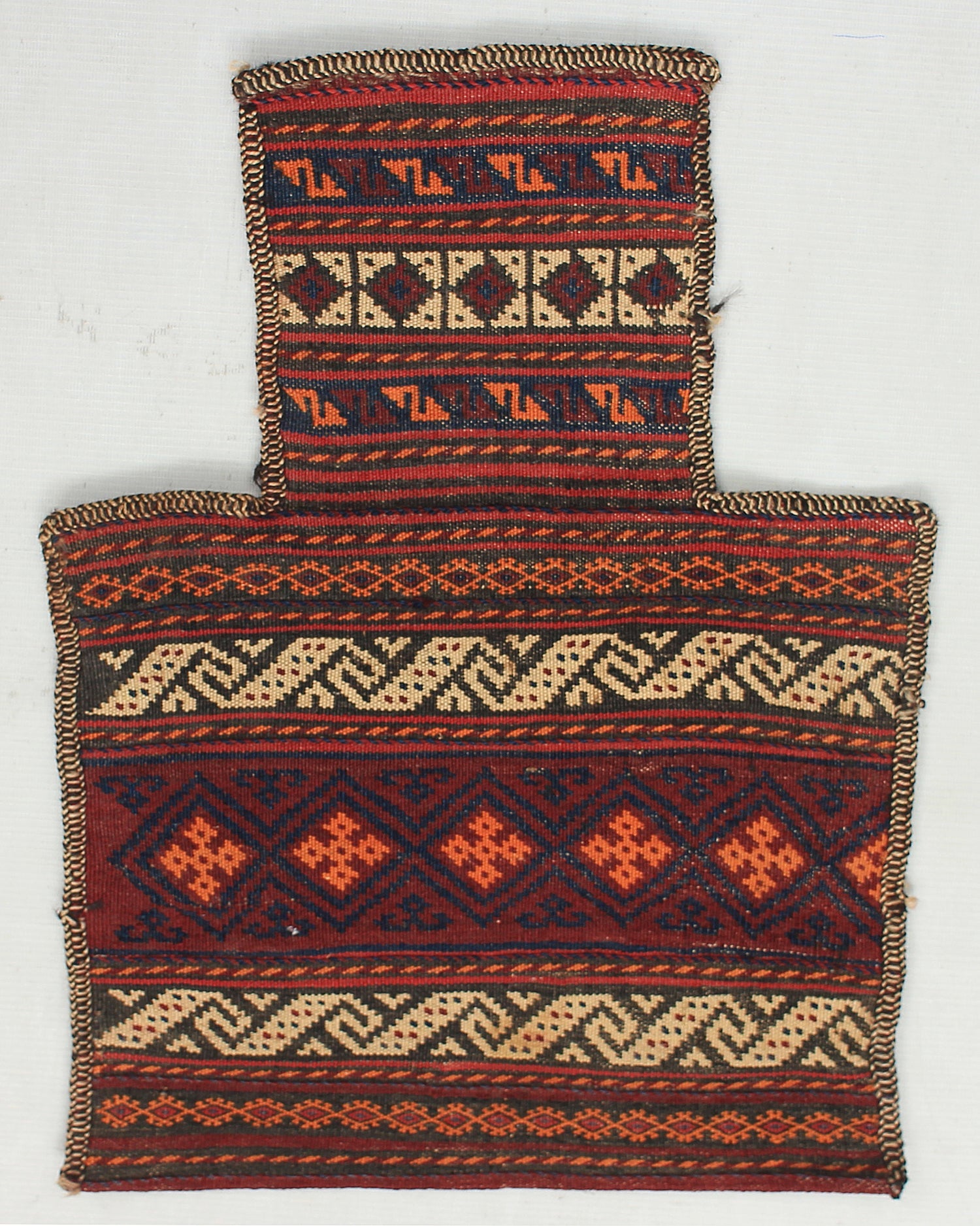
A hand-knotted salt bag, known in Persian as a namakdan, is a small, traditional woven container made by nomadic and tribal groups in regions such as Persia (Iran), Afghanistan, Turkey, and Balochistan.
These compact textile pieces combine practical function with traditional craftsmanship. Their smaller format and detailed woven designs give each piece a distinctive character, while their connection to nomadic and tribal textile traditions makes them particularly interesting to collectors of handmade textiles.
What Is a Namakdan?
Namakdan is the Persian name used for a traditional salt bag. These small textile containers were made as practical objects by nomadic and tribal communities.
Unlike a conventional area rug, a namakdan is a functional textile container. Its compact size and pouch-like form distinguish it from flat-woven and hand-knotted rugs.
Traditional Salt Bags From Tribal Textile Regions
Namakdan are associated with traditional textile-making communities across regions including Persia (Iran), Afghanistan, Turkey, and Balochistan.
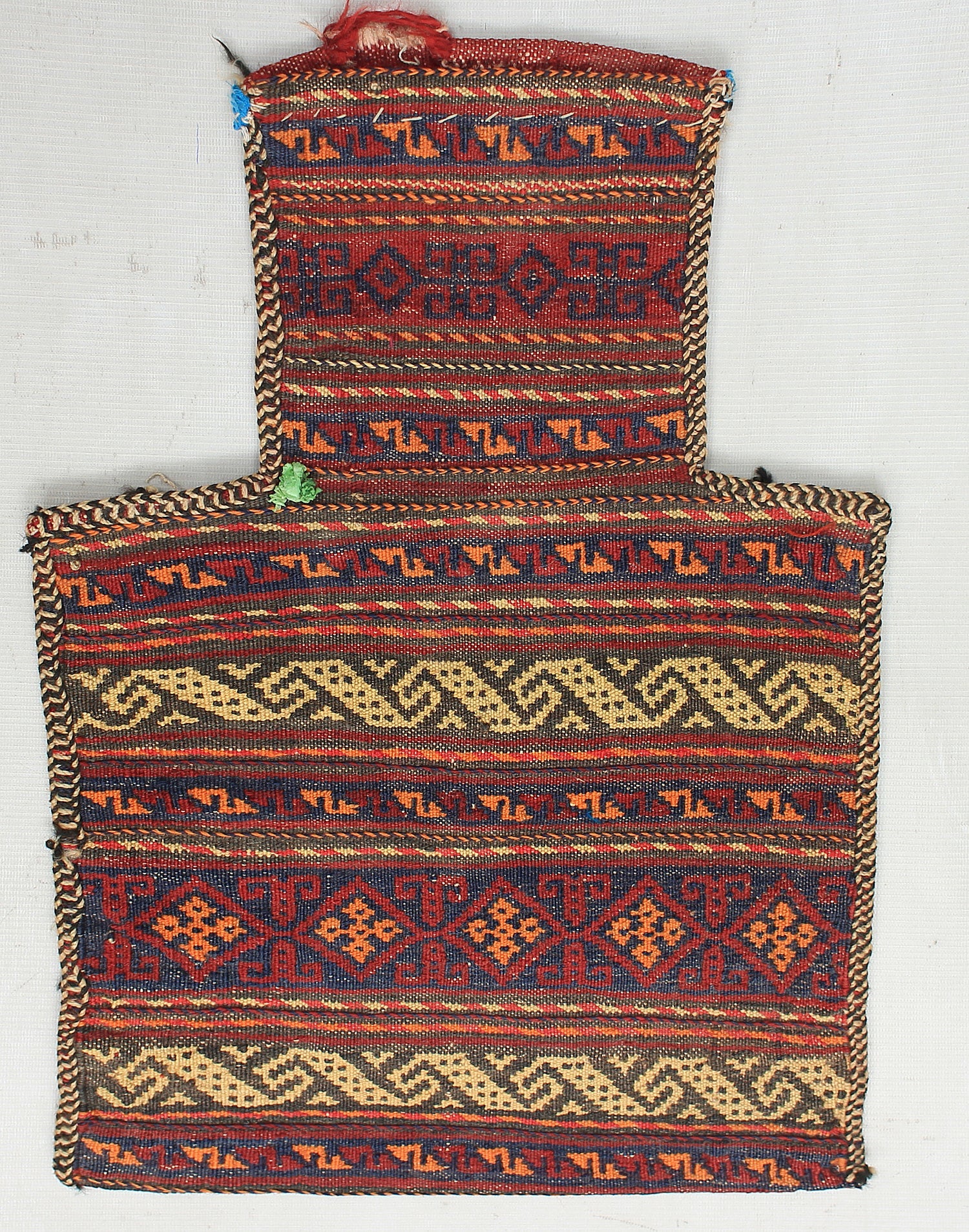
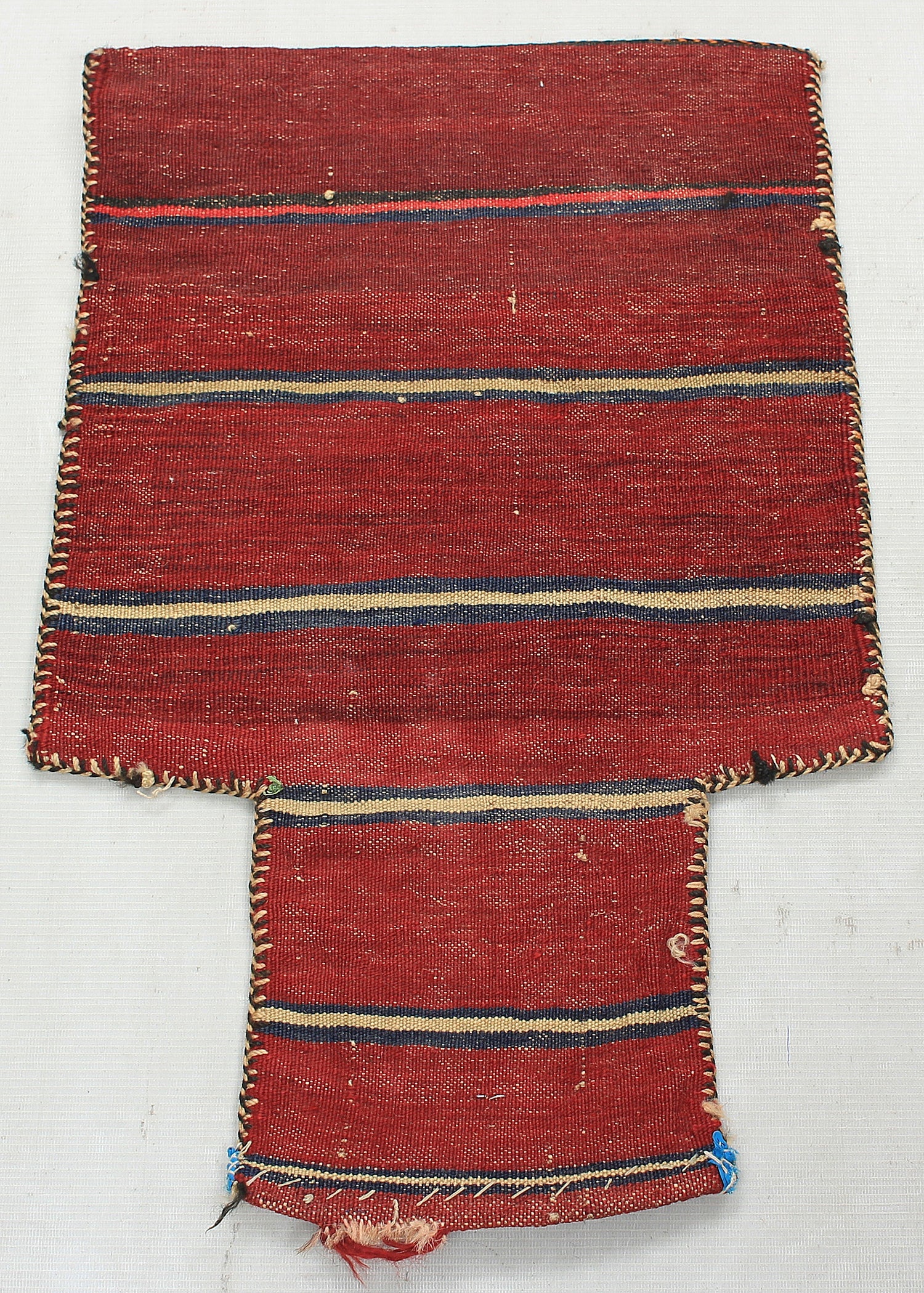
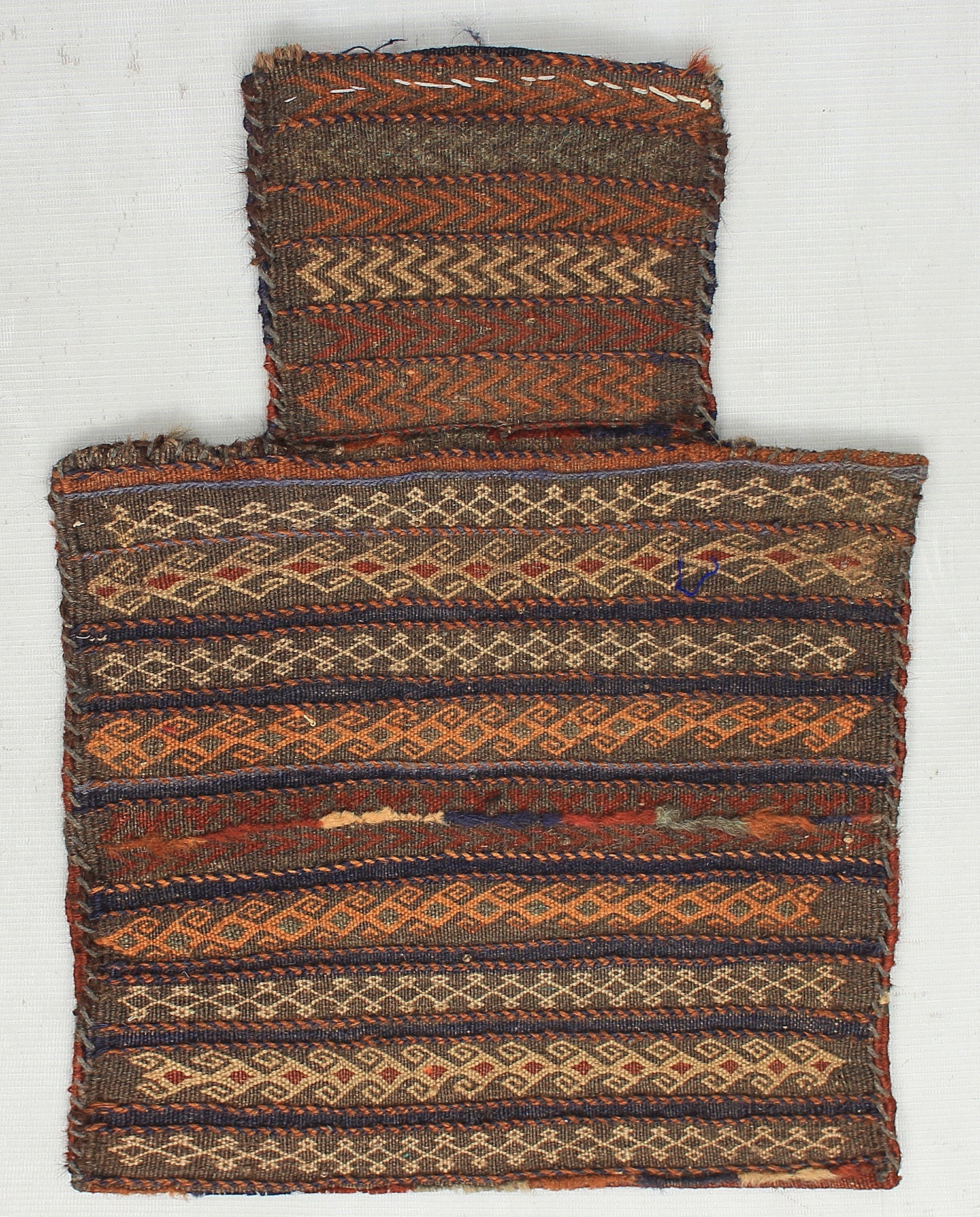
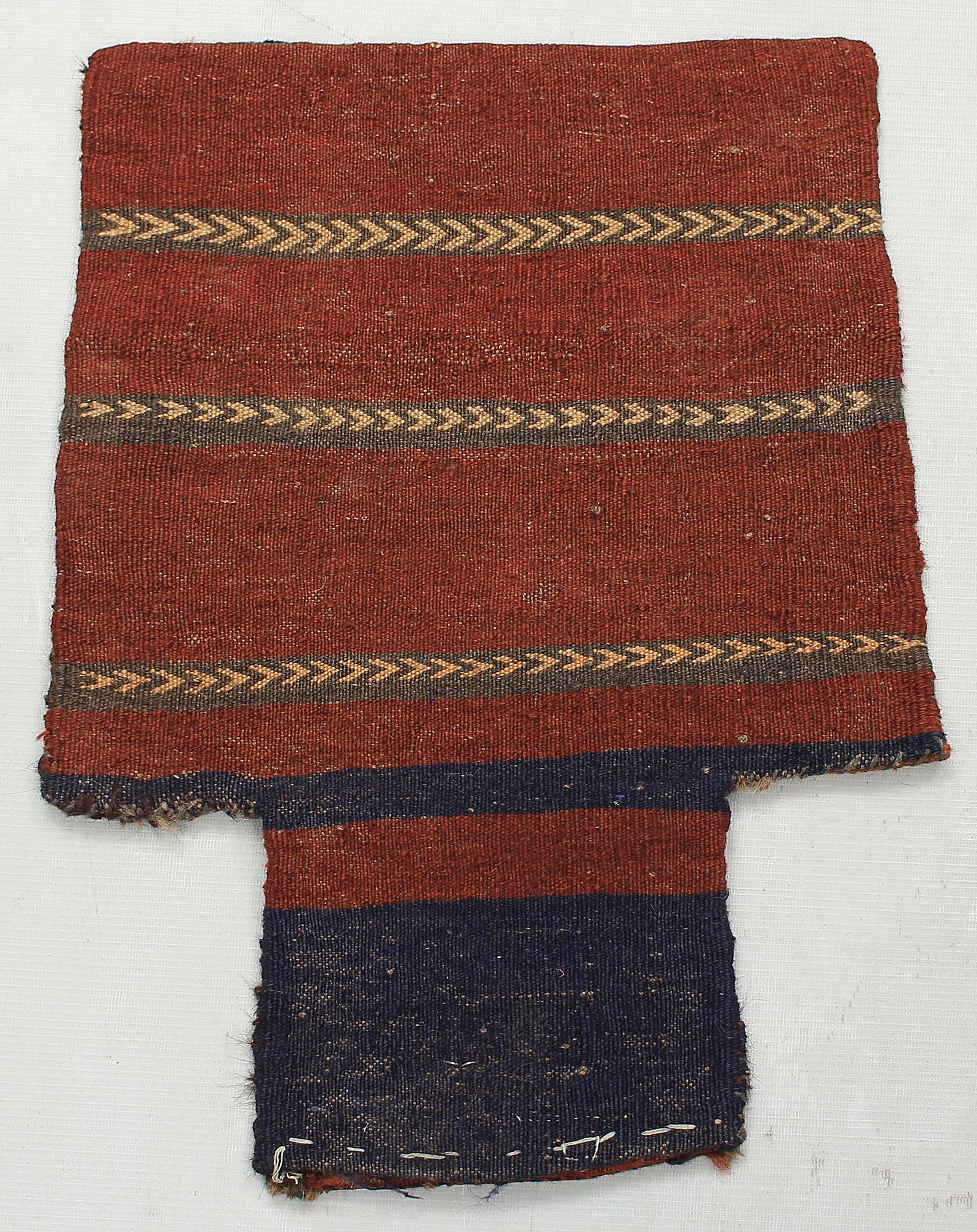
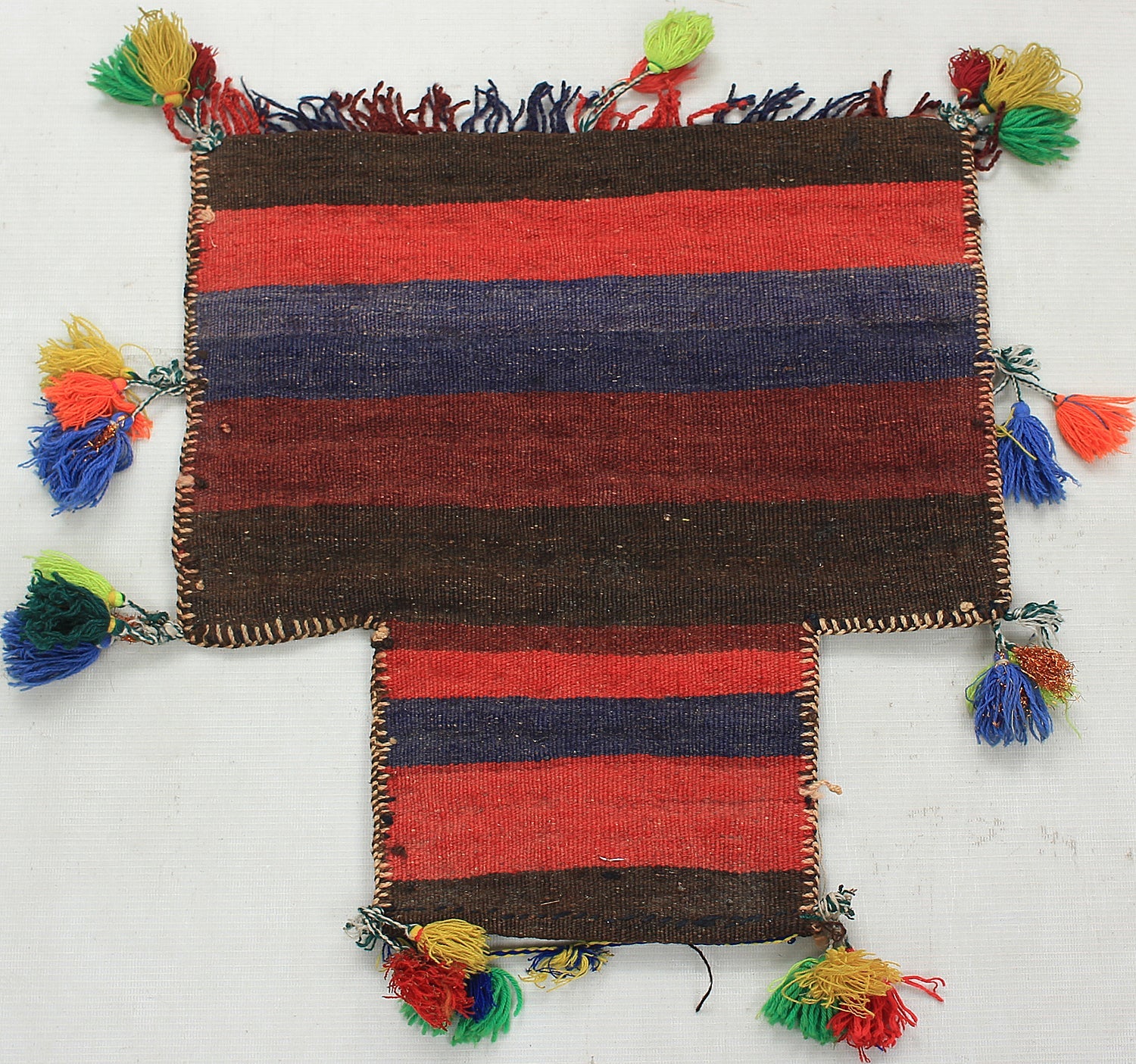
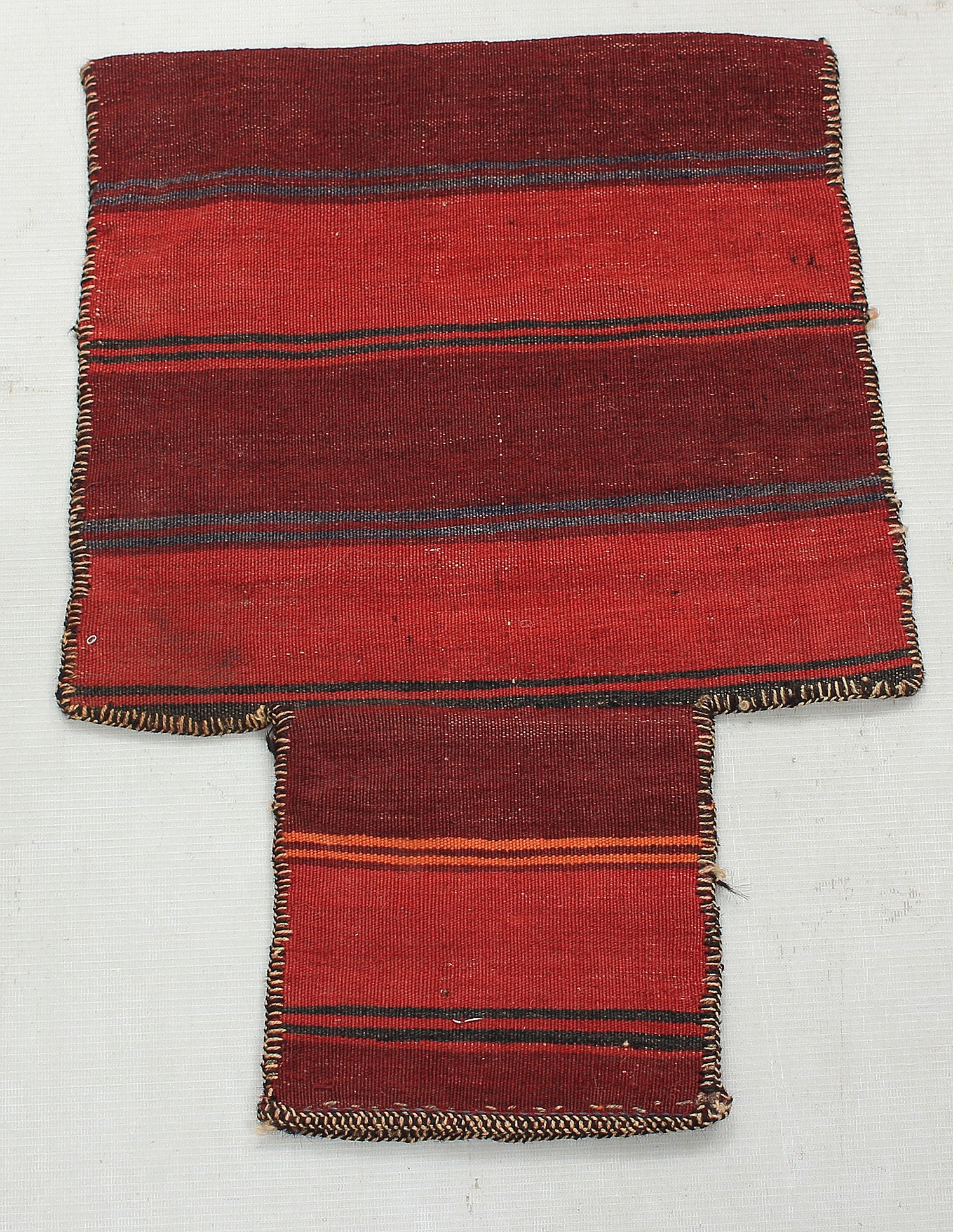
Although examples can share the same basic purpose and form, individual pieces can have different patterns, colors, textures, and decorative details.
Hand-Knotted Wool Salt Bags
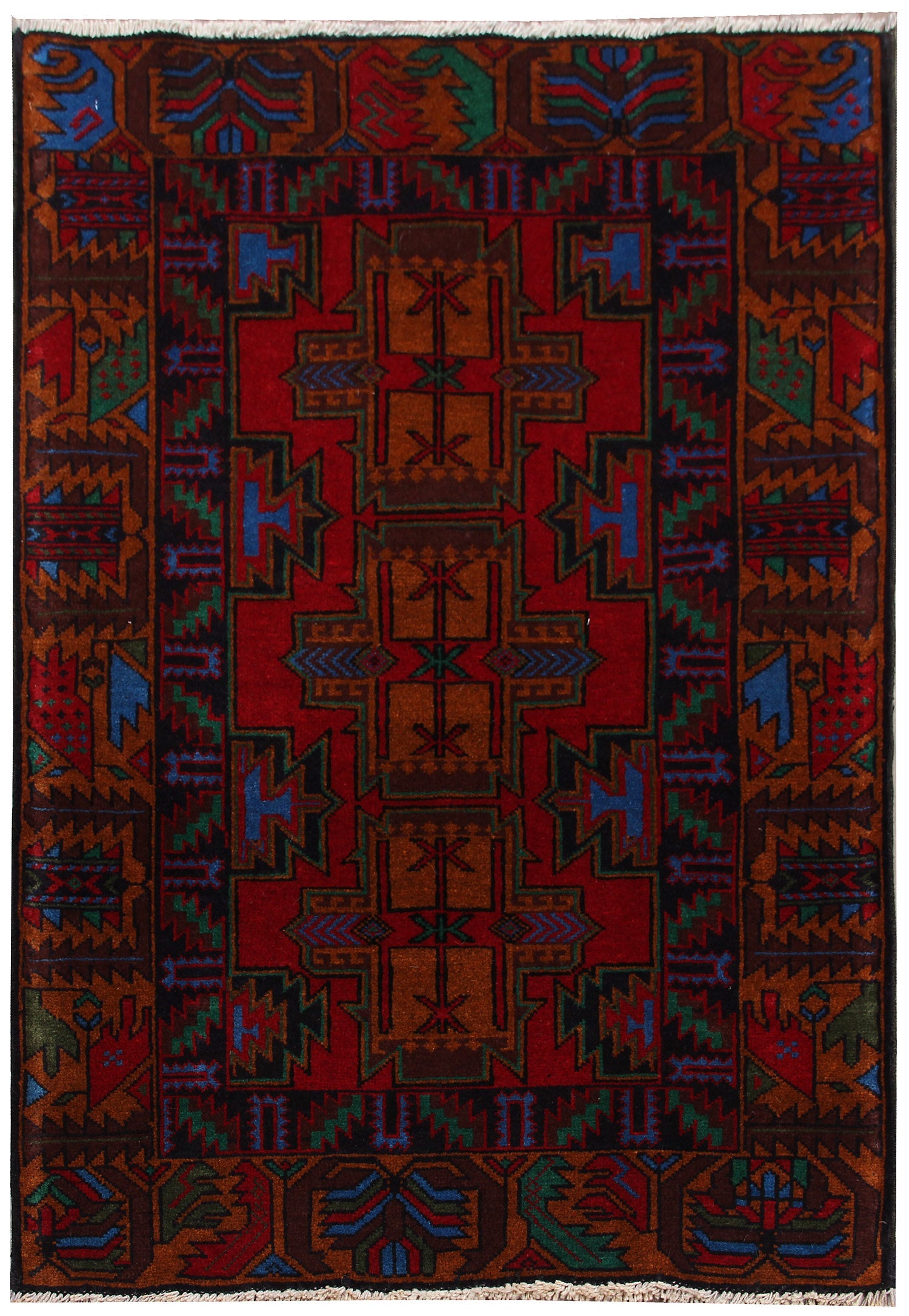
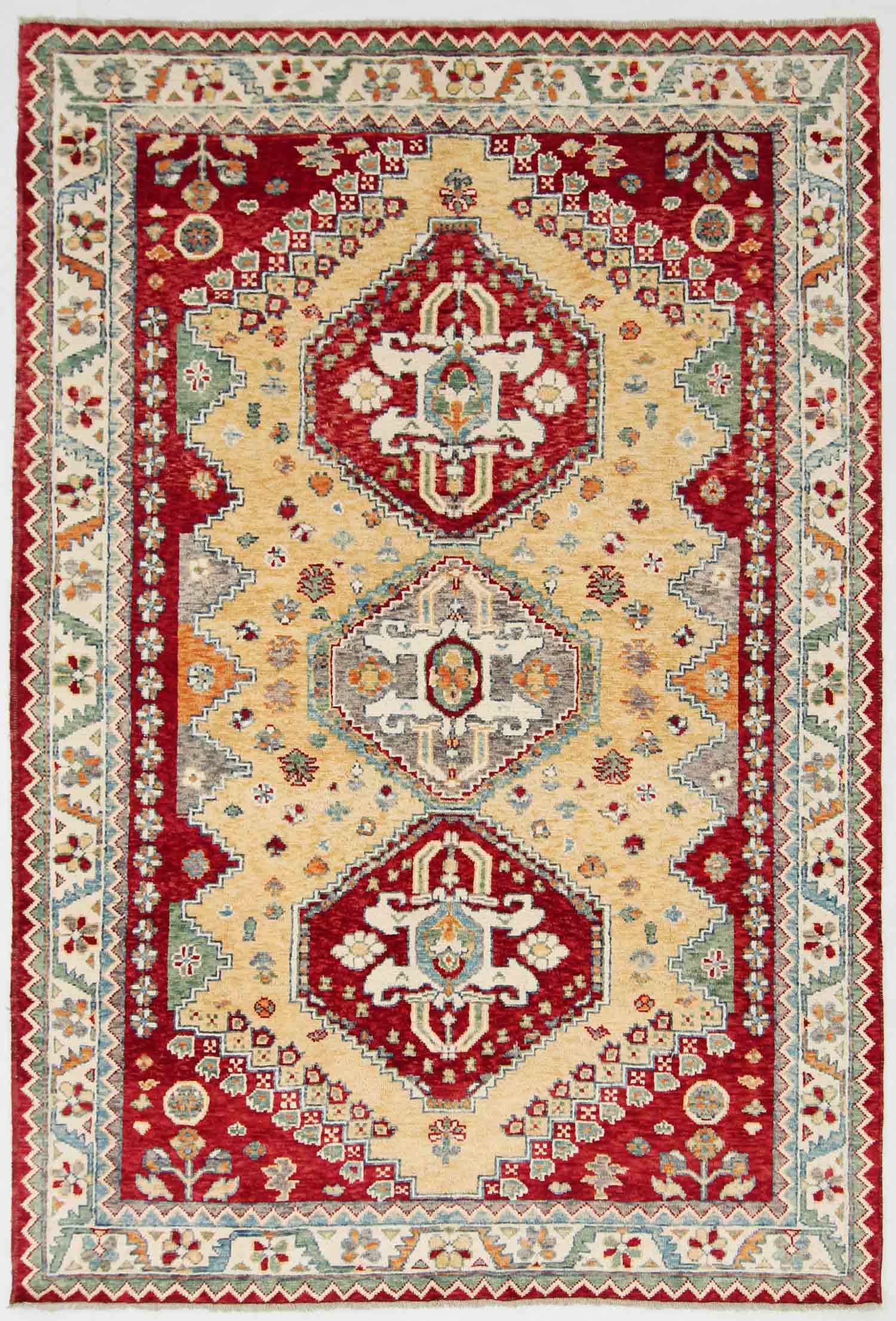
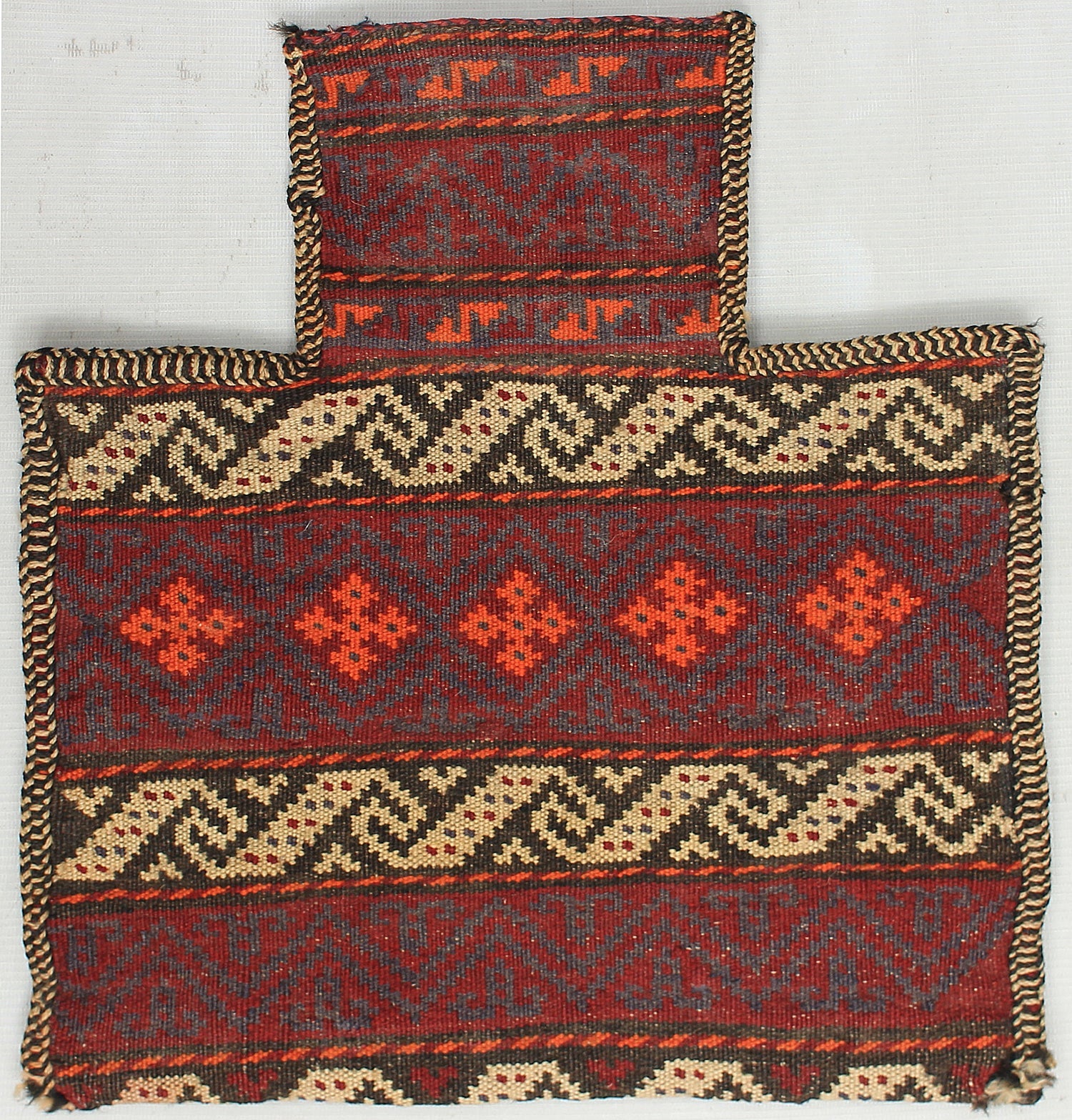
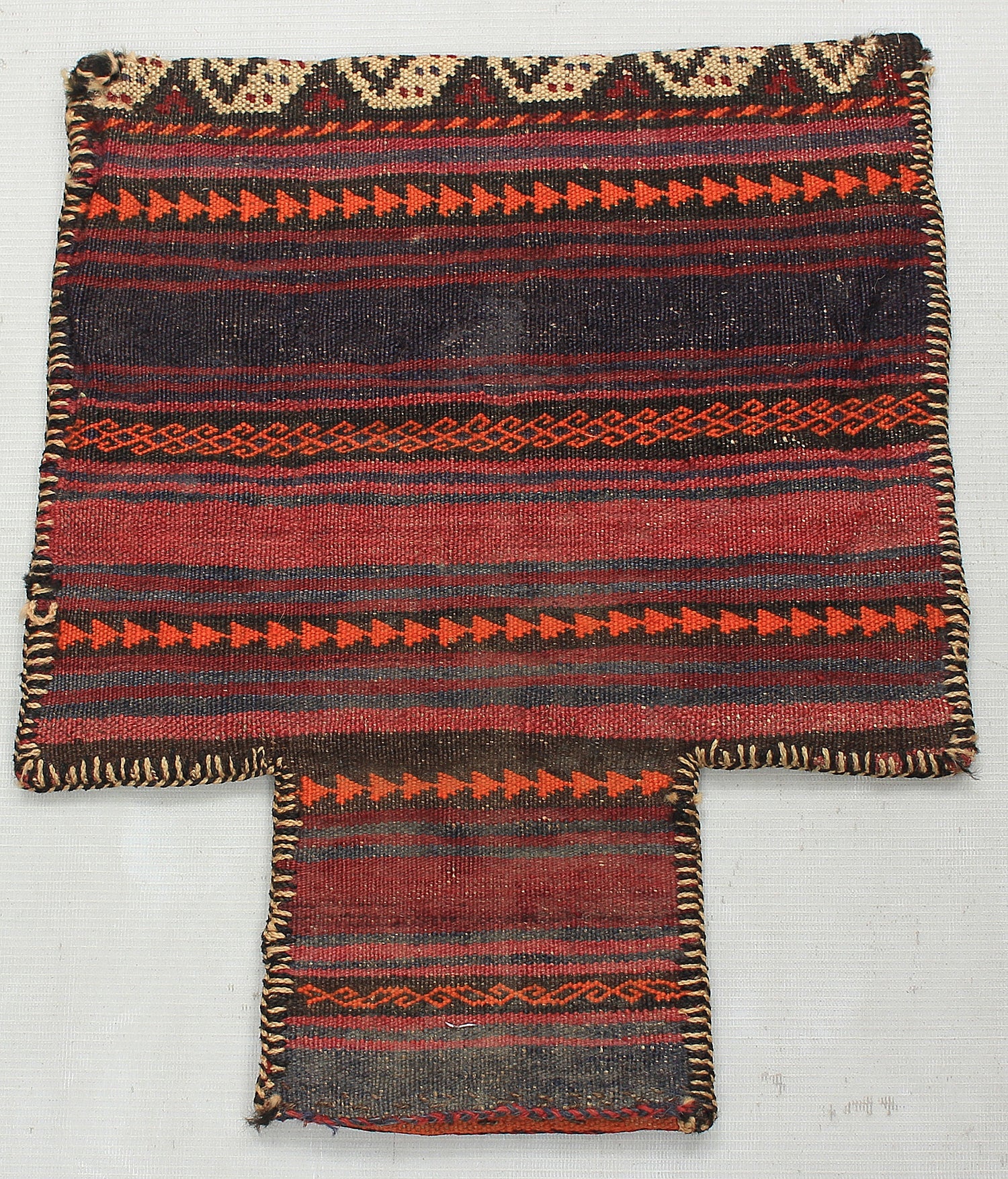
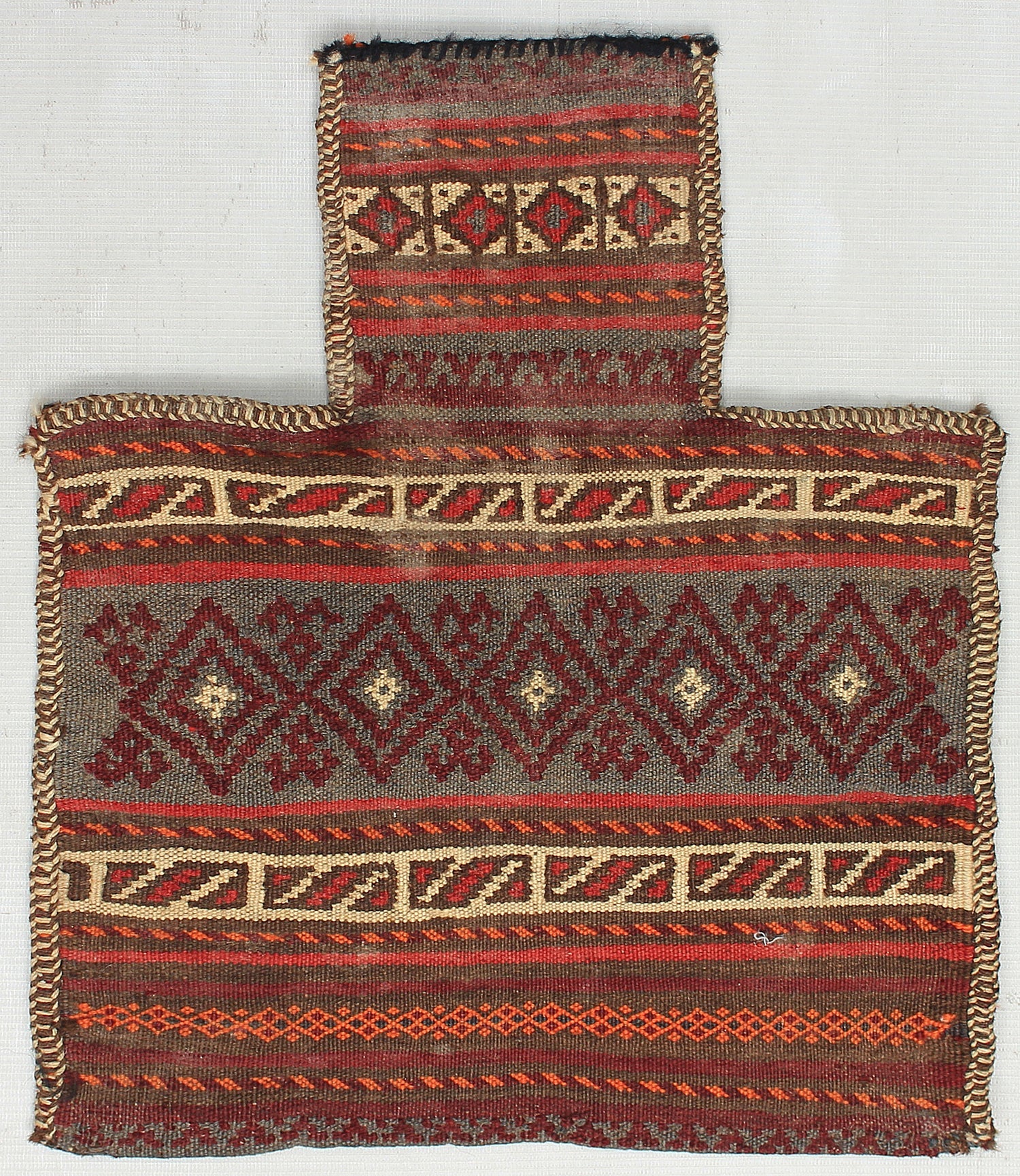
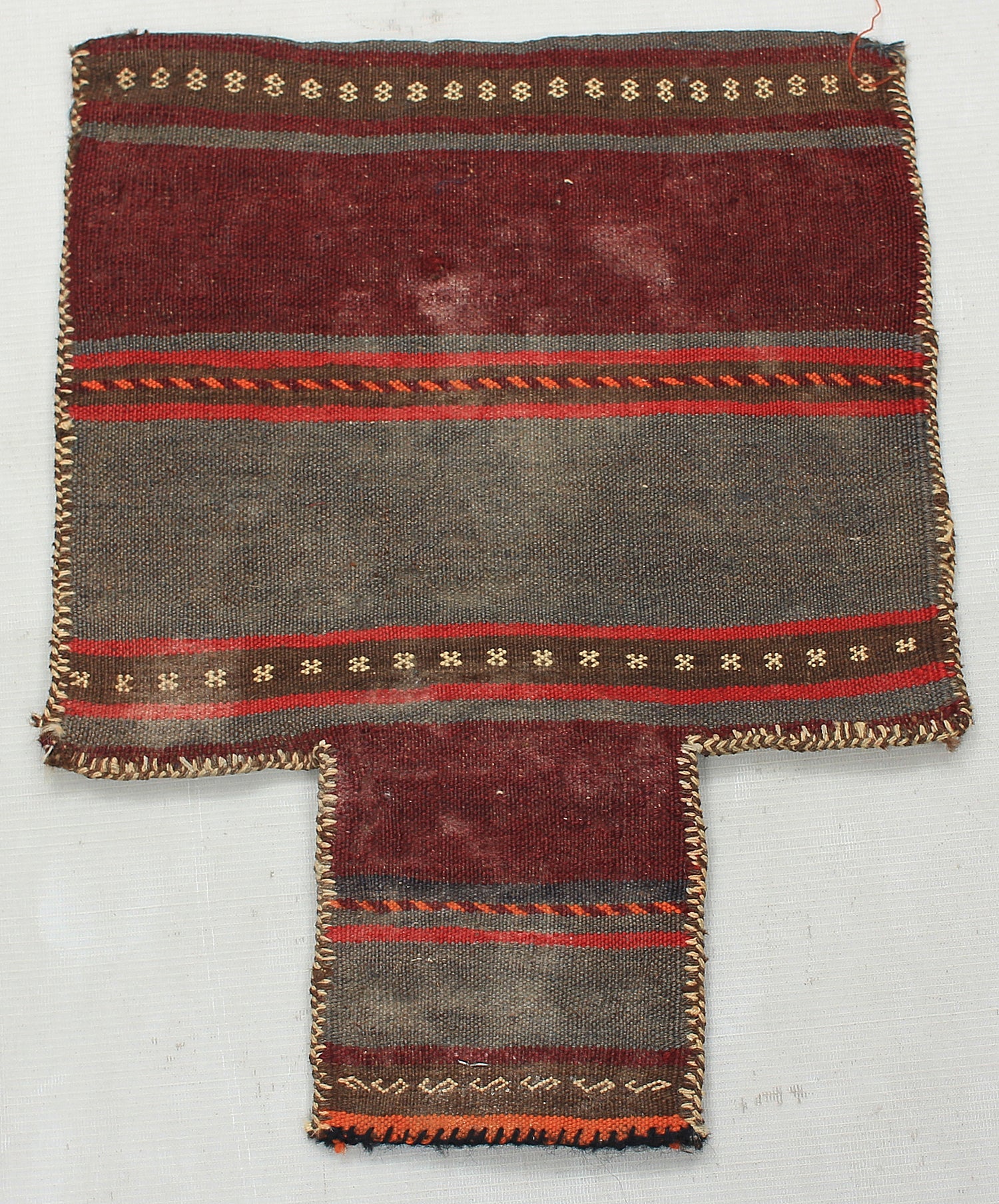
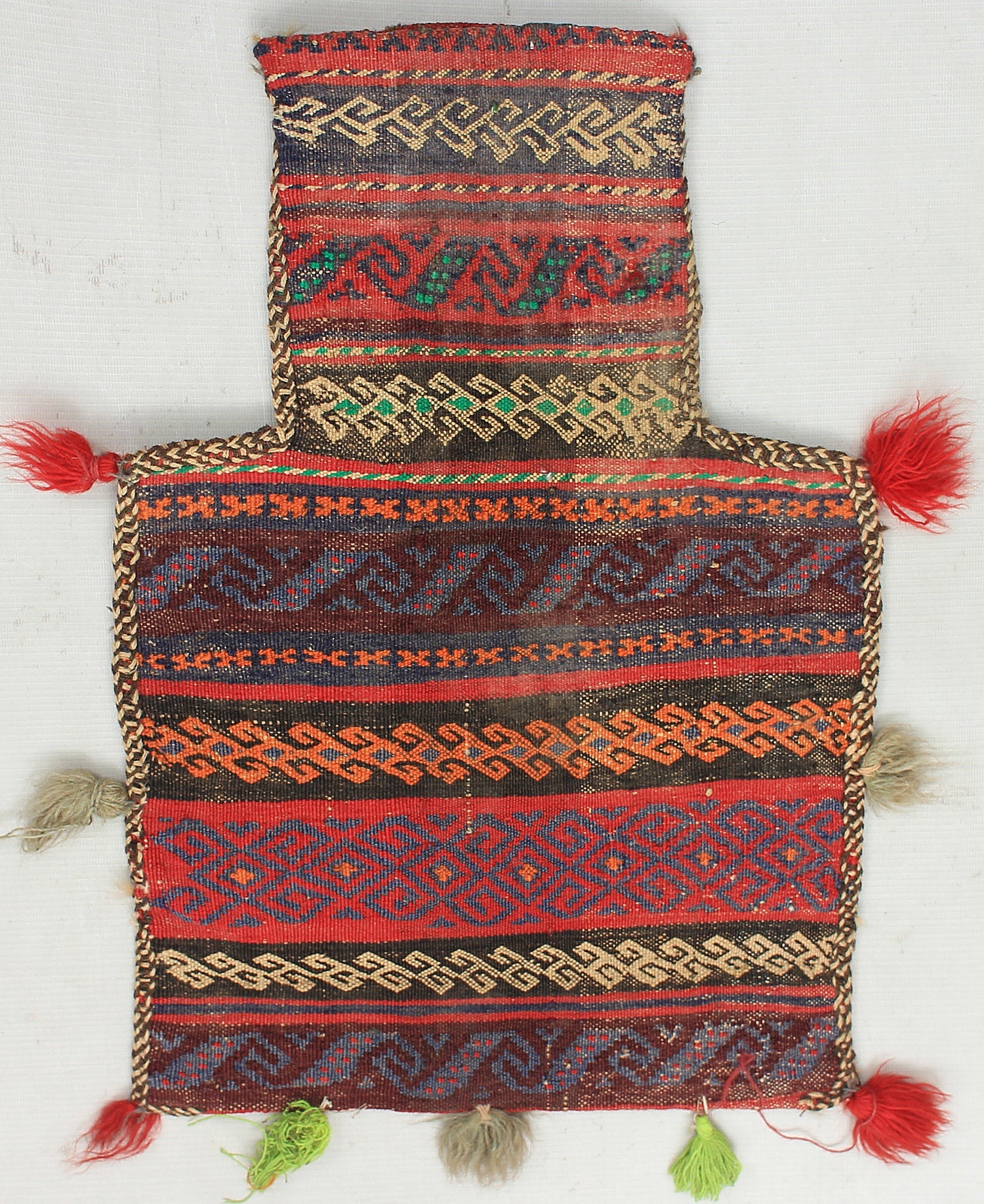
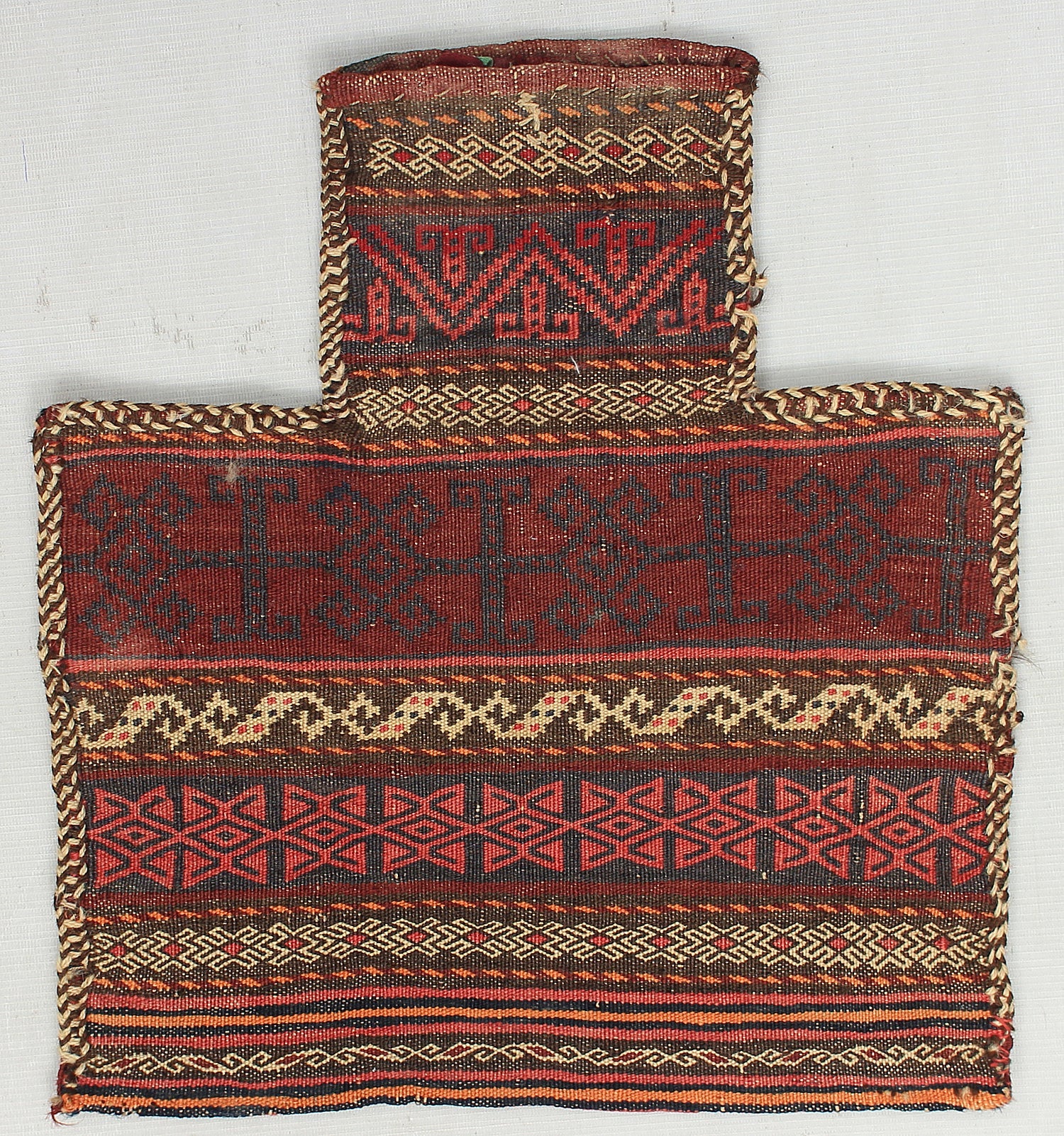
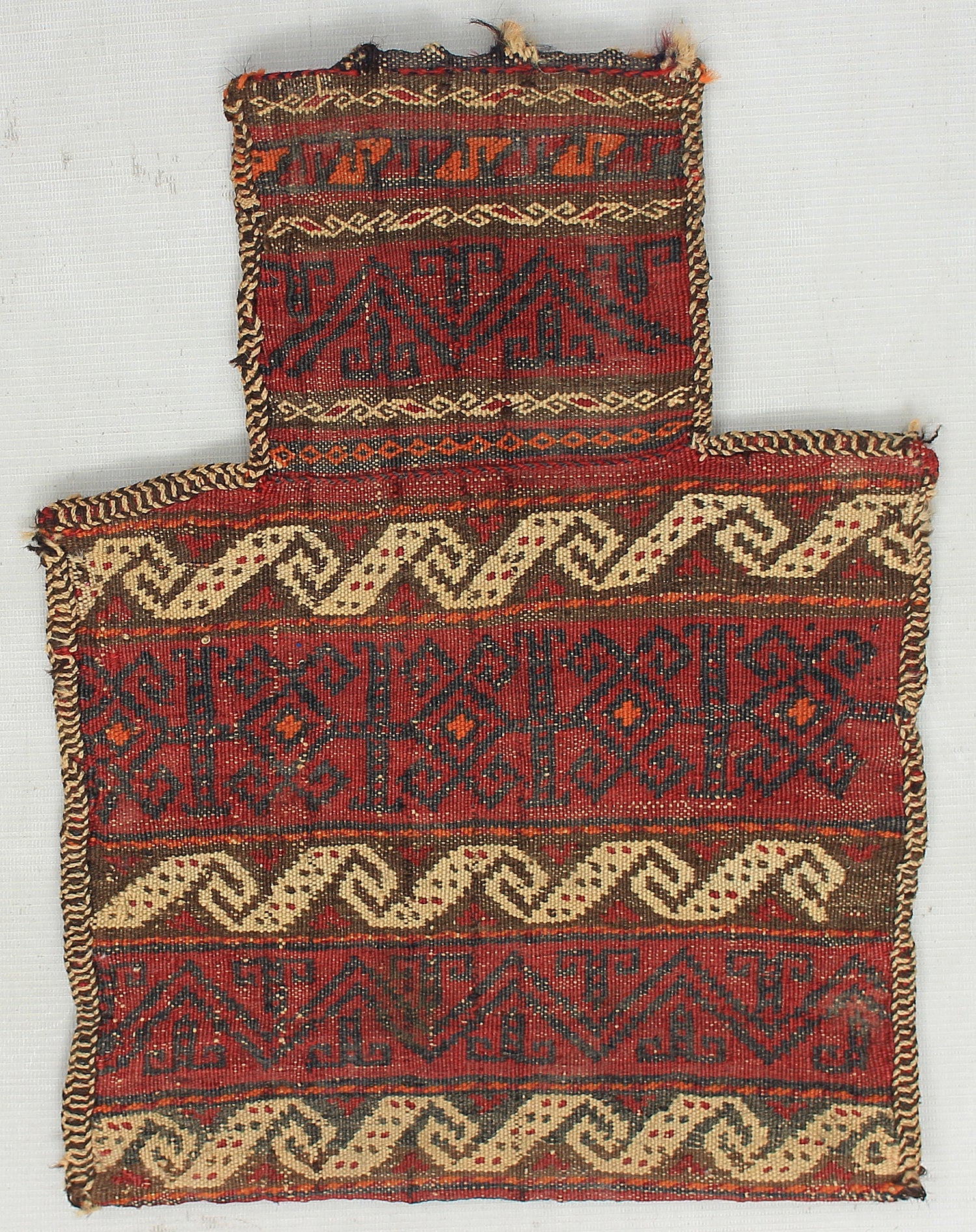
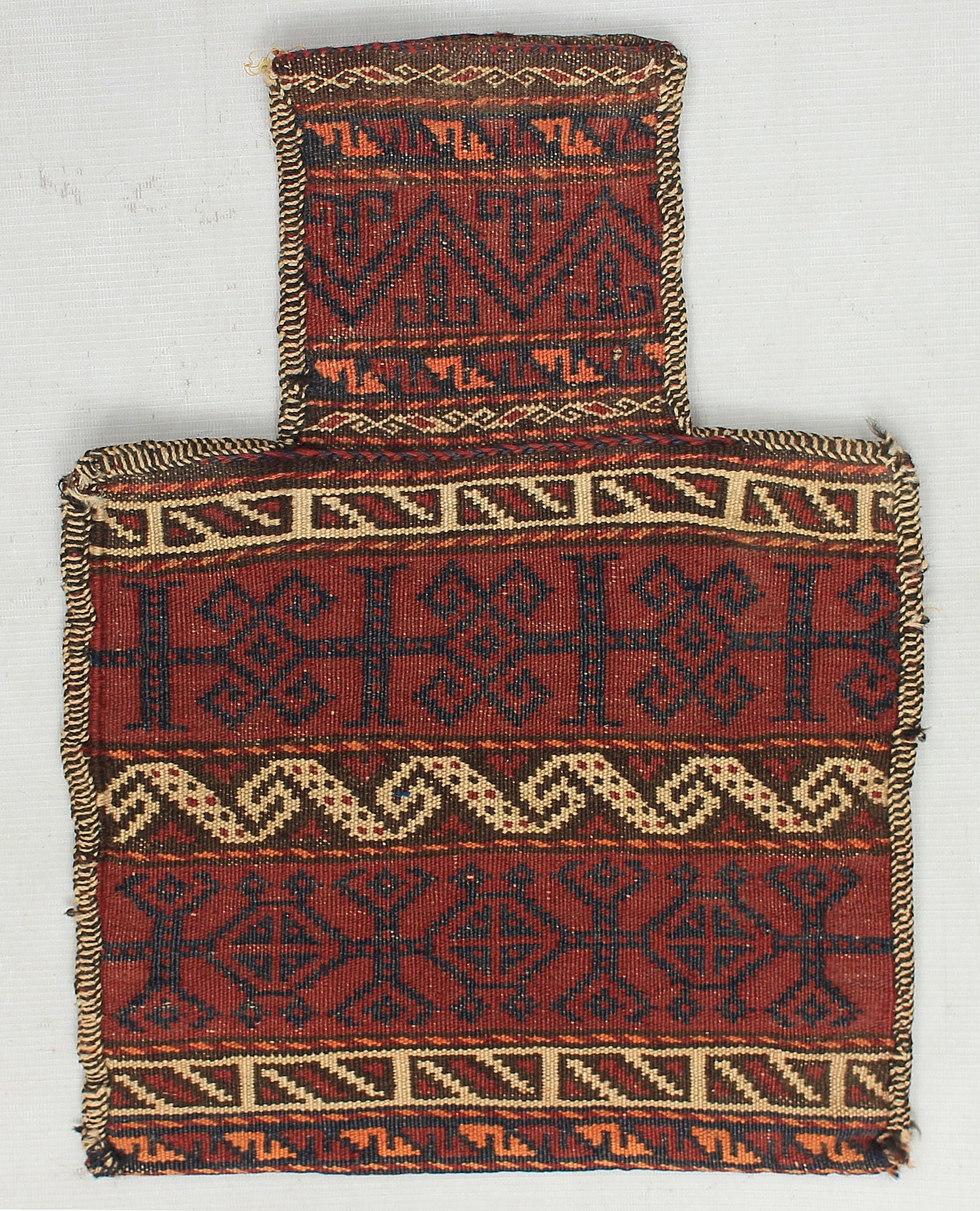
The salt bags in this collection are hand-knotted textile pieces. Their construction and patterns reflect the detailed craftsmanship associated with traditional tribal textiles.
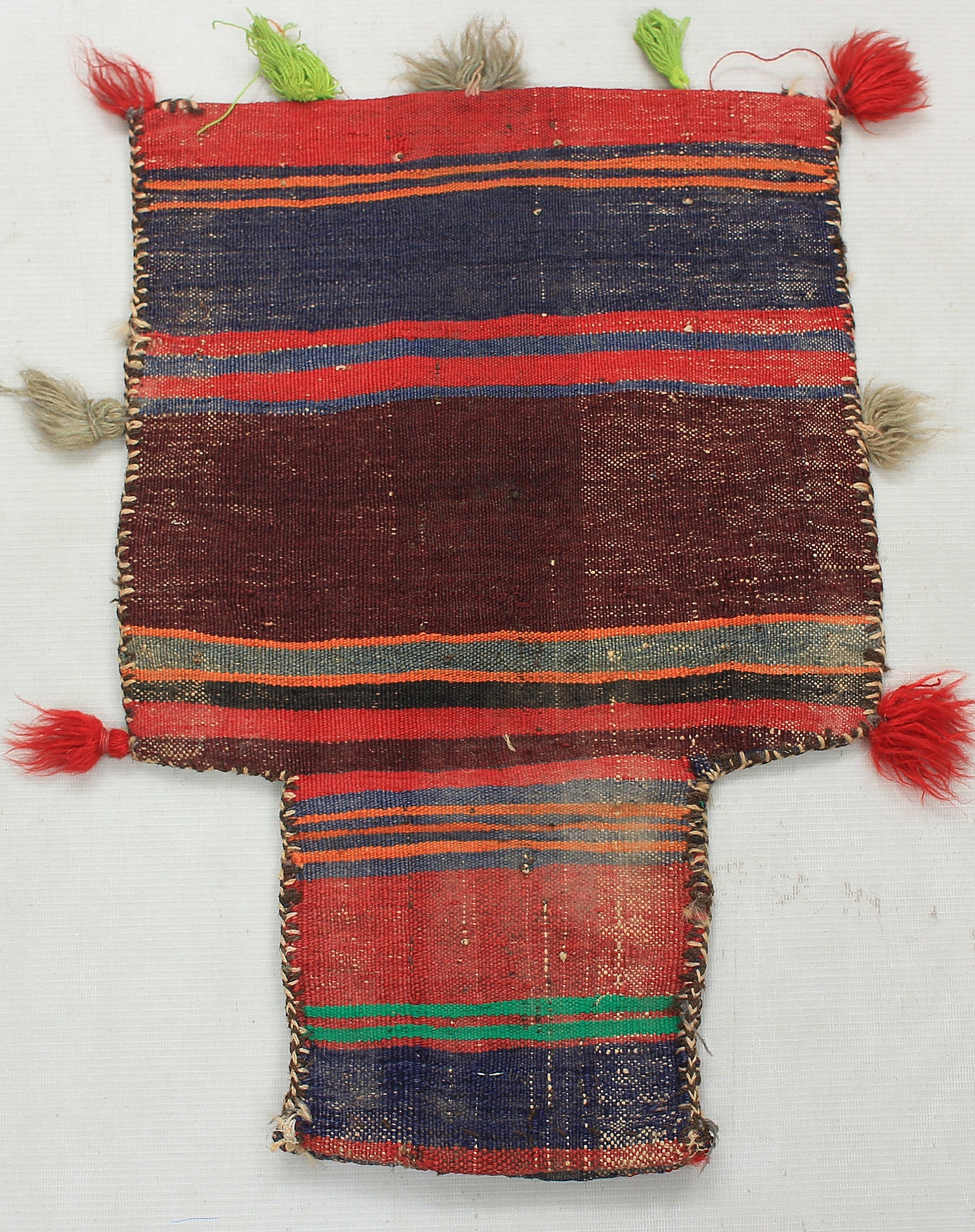
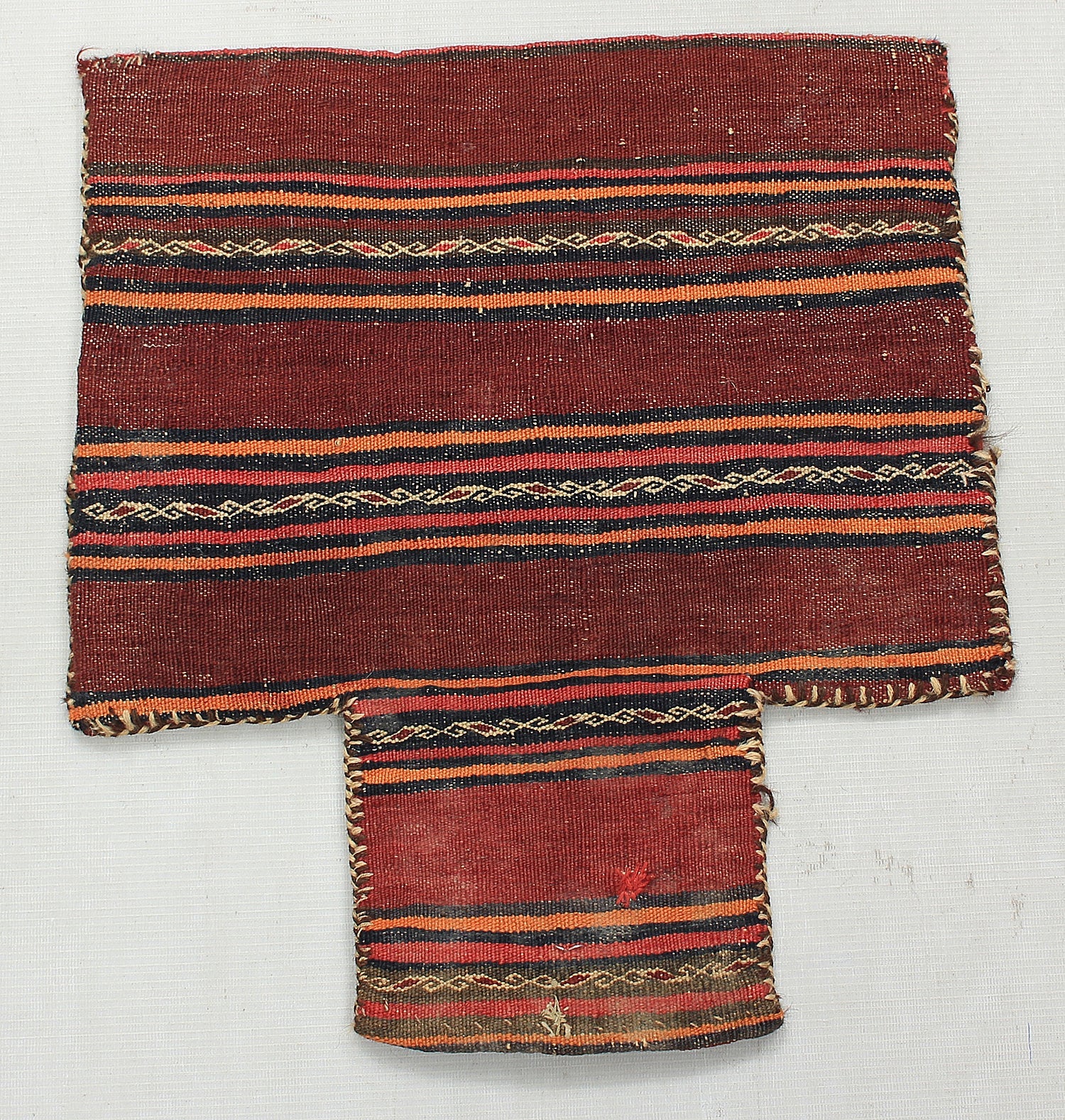
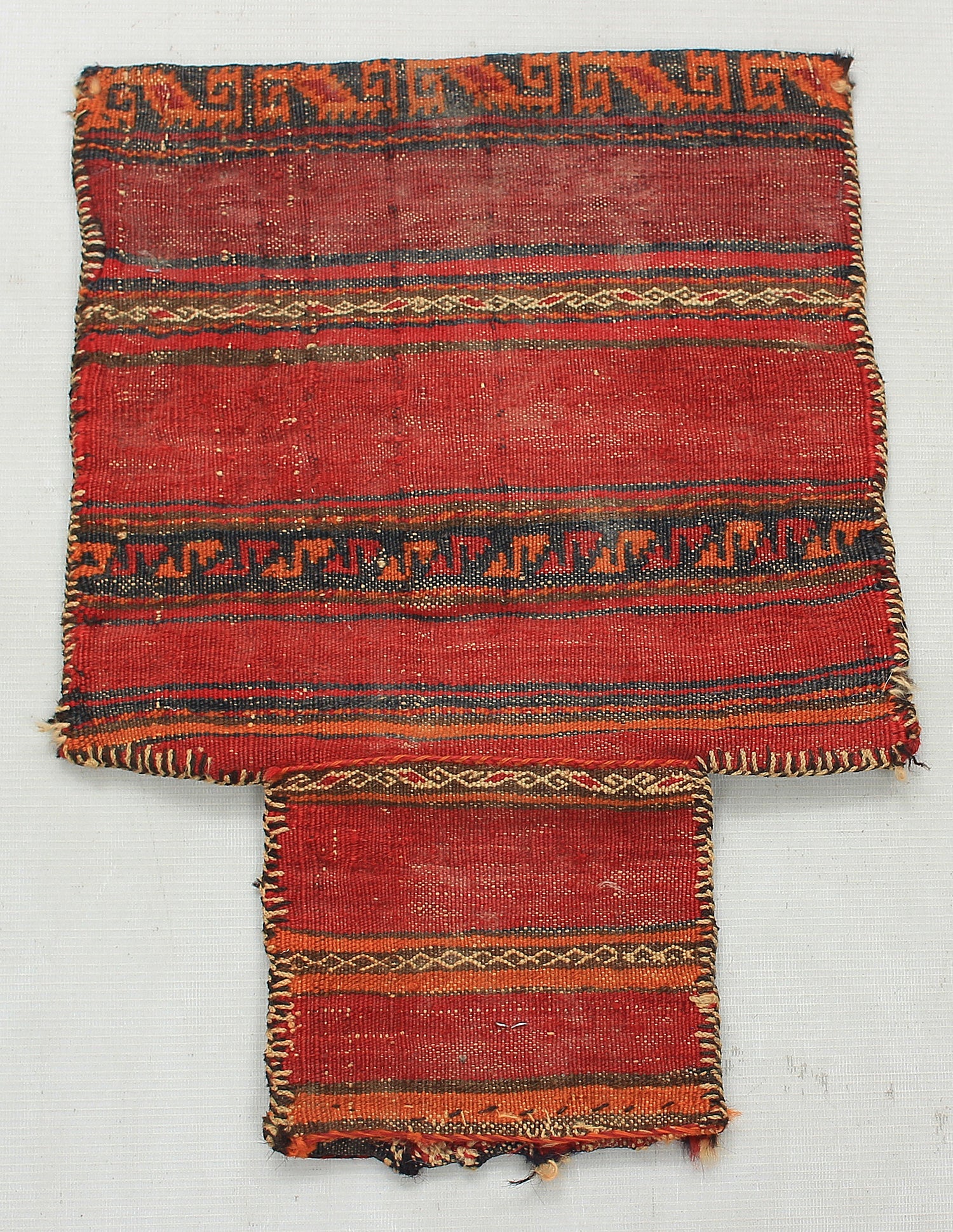
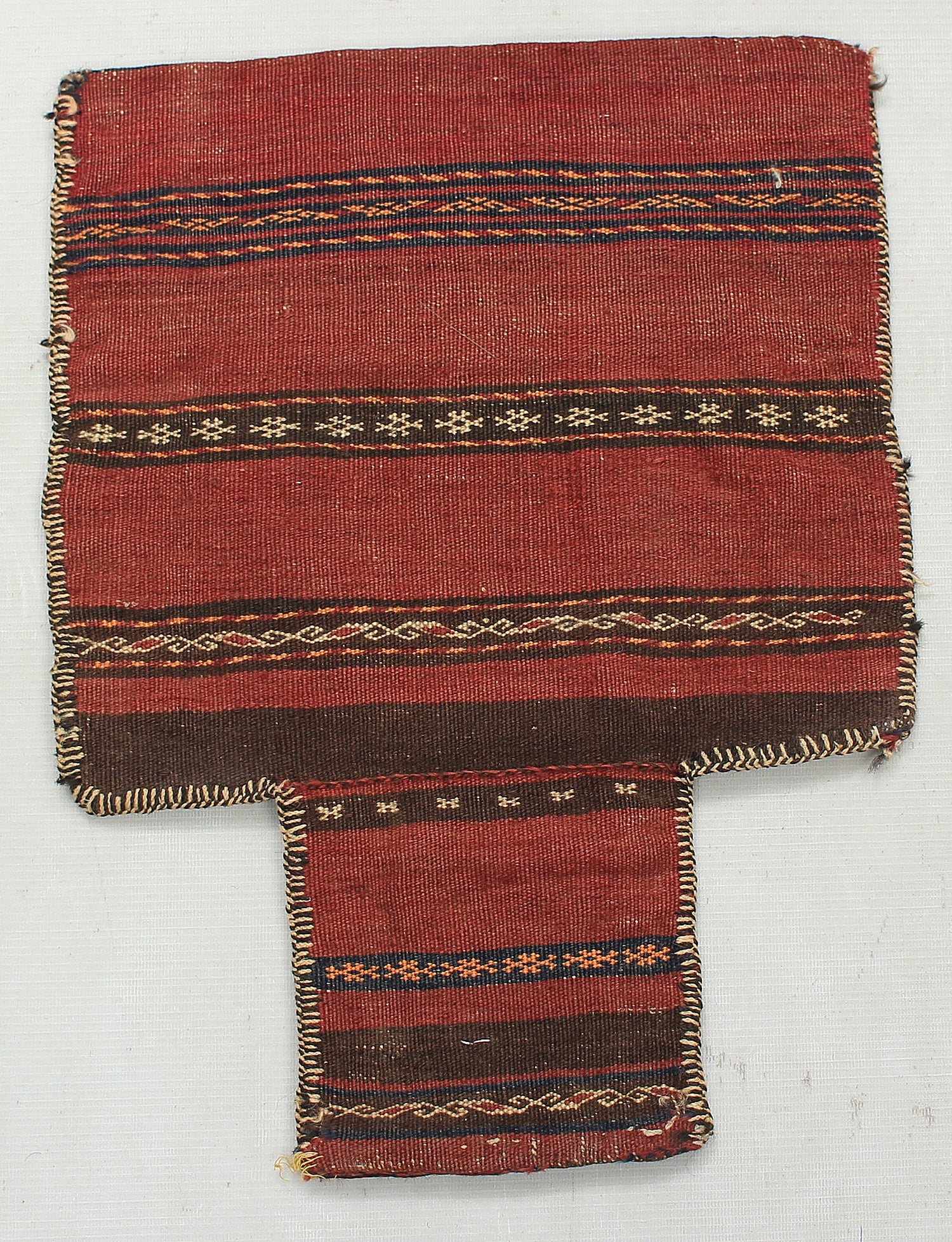
Because handmade pieces can differ considerably, examine the photographs and product specifications of each individual salt bag to understand its particular design and characteristics.
Small Textile Pieces With Distinctive Designs
The compact size of a salt bag allows its decorative details to stand out. Geometric motifs, repeated patterns, contrasting colors, and other textile details can give each piece its own visual character.
A namakdan can therefore be appreciated not only as a traditional container but also as a distinctive handmade textile.
Choosing a Traditional Salt Bag
When comparing hand-knotted salt bags, consider:
- Pattern: Look at the individual motifs and overall design.
- Color: Compare the combination of colors used in the textile.
- Construction: Review the stated construction and material details.
- Size: Check the exact dimensions of the individual piece.
- Texture: Examine the product photographs for its surface and textile character.
- Origin information: Where documented, consider the stated regional or tribal connection.
Since every handmade piece can have its own appearance, the individual product listing is the best source for its specific details.
Shop Hand-Knotted Namakdan
Explore our collection of hand-knotted salt bags and traditional namakdan to discover small textile containers with distinctive patterns and handmade character.
Each piece offers a different combination of design, color, and textile detail, making these traditional objects an interesting addition to a collection of handmade and tribal textiles.
Hand-Knotted Salt Bags FAQs
What Is a Salt Bag?
A salt bag is a small, traditional woven container made by nomadic and tribal groups. In Persian, a salt bag is known as a namakdan.
What Is a Namakdan?
Namakdan is the Persian term for a traditional salt bag. It refers to a small woven textile container associated with nomadic and tribal textile traditions.
Where Do Traditional Namakdan Come From?
Traditional salt bags are associated with regions including Persia (Iran), Afghanistan, Turkey, and Balochistan.
Are Salt Bags Hand-Knotted?
The pieces in this collection are presented as hand-knotted salt bags. Check each individual product listing for its specific construction and material details.
What Were Salt Bags Used For?
The source definition establishes namakdan as traditional containers associated with salt. For individual pieces, the exact historical use and construction should be based on the documented product information.
Are Namakdan Rugs?
No. A namakdan is a small textile container, rather than a conventional floor rug. Although it can share traditional hand-knotting and decorative techniques with rugs, its form and function are different.
Are Salt Bags Made of Wool?
The supplied definition describes namakdan as woven containers but does not establish that every salt bag is made of wool. The material should therefore be confirmed from the individual product listing.
What Patterns Do Salt Bags Have?
Patterns vary between individual pieces. Traditional textile designs can include geometric motifs, repeated patterns, borders, and contrasting colors. The exact design depends on the individual salt bag.
Are Namakdan Collectible?
Traditional namakdan can be interesting to collectors of handmade and tribal textiles because of their compact form, craftsmanship, and distinctive designs. The characteristics of each individual piece should be evaluated from its documented details.
What Is the Difference Between a Salt Bag and a Saddle Bag?
Both are traditional textile objects, but they are different forms. A salt bag or namakdan is a small woven container, while a saddle bag is a larger double-sided textile pouch traditionally associated with carrying belongings while traveling with animals.
How Do I Choose a Hand-Knotted Salt Bag?
Consider the size, pattern, colors, construction, material, and documented regional or tribal information of the individual piece. Product photographs are particularly important when comparing handmade textiles.
About us
We are more than a rug business. We carry a responsibility. Every rug we offer is 100% handmade, crafted knot by knot using techniques passed down through generations.
By working directly with artisans, we ensure authenticity, fair practices, and the preservation of true craftsmanship. Each piece is made to last, rich in history, quality, and purpose.
Our vision is to keep authentic handmade rug traditions alive for generations to come. Our mission is to support skilled artisans by offering ethically sourced, fully handmade rugs that combine heritage, quality, and lasting value.
Our values reflect true craftsmanship with no machines or shortcuts, direct relationships that support artisans, lasting quality, cultural preservation, and real impact through every purchase.
